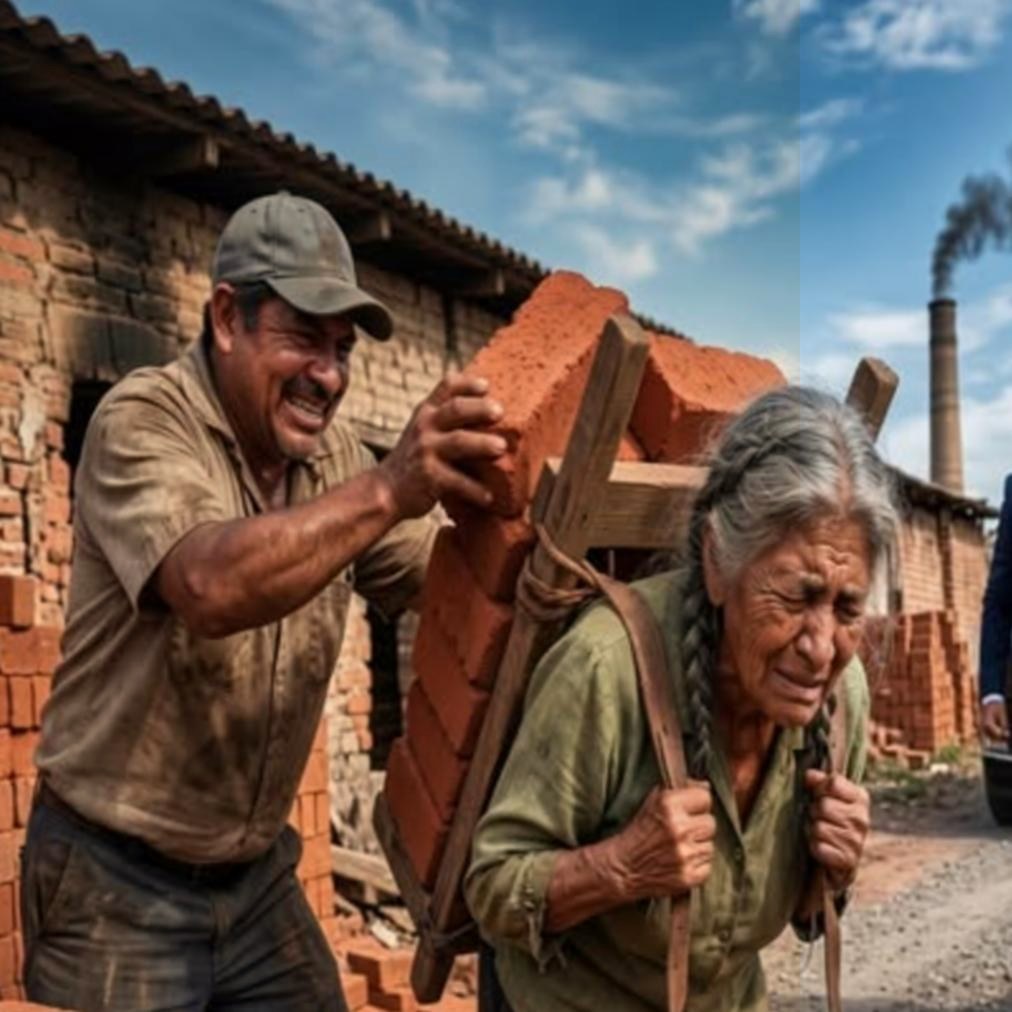

The day I became a millionaire, my mother was carrying bricks to protect her own house, while I still did not understand whom I was fighting.
On the Juanacos road, on a hot afternoon in Puebla, I had the car stopped. The sharp smell of burnt clay hung in the air, and red dust crunched under the wheels.
“Stop!” I shouted at the driver.
I opened the car door so forcefully that I struck the step with my foot and ran straight toward the kilns.
There I saw my mother.
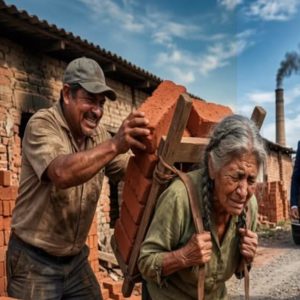
She wore a faded straw hat on her head, was barefoot, and had a wooden board full of bricks resting on her shoulders. The skin on her hands had cracked. Blood had mixed with the dust.
“Amalia!”
My mother raised her head. She saw me and immediately hid her hands behind her back, as if I were the person she should have been afraid of.
“Julian? What are you doing here?”
“I came to take you away.”
“You should not have come yet.”
There was more fear than joy in her voice.
Six years earlier, I had left San Jeronimo Tecuanipan for Monterrey with one bag, two shirts, and a bus ticket. My mother had put my travel money in an old postal envelope. A small brown leaf was drawn on the envelope—the same one she used to draw on every letter in childhood.
“Go, my son,” she told me then. “Study. Do something great. I will be fine.”
I did not ask where she had gotten thirty-five thousand pesos.
I always avoided that question.

That day, when my agricultural systems company signed a contract worth one hundred and twenty million pesos, I canceled all my meetings. I bought my mother a blue dress, a new refrigerator, and tickets to see the sea. I wanted her to be surprised when I entered the house.
I did not reach home.
“Move, Amalia!” someone shouted from the kilns. “As long as you owe money, nobody rests here!”
A man was coming toward us. He had broad shoulders and a black towel soaked with sweat around his neck. His name was Ezequiel Barragan—the owner of the kilns, the surrounding lands, and almost half the village.
“She is leaving with me,” I said.
Ezequiel burst out laughing.
“Your mother is indebted to me.”
My mother lowered her eyes.
“How much is the debt?” I asked.
“It was thirty-five thousand,” she said with difficulty.
“Was?”
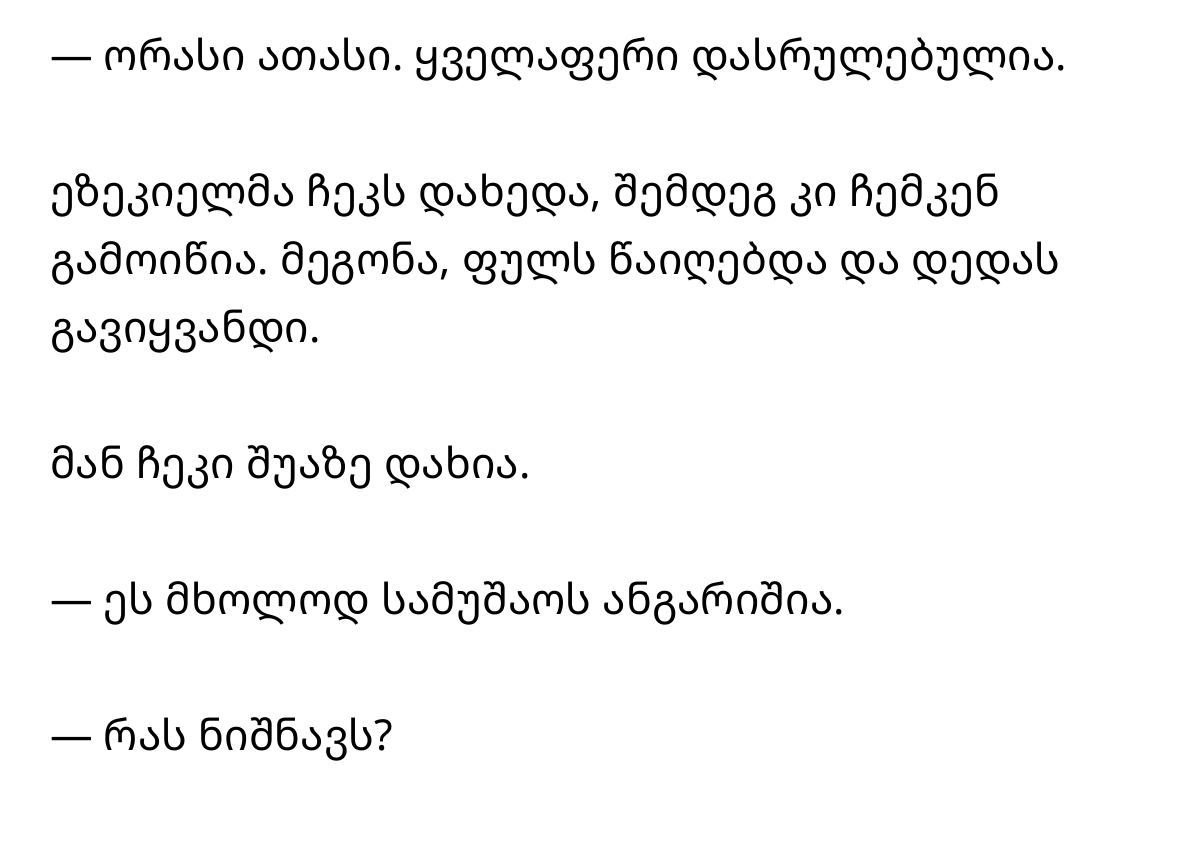
“Interest, food, tools, delays… now it is one hundred and eighty-four thousand.”
I took out a check. My hand was shaking so much that I had to write the numbers twice.
“Two hundred thousand. It is all over.”
Ezequiel looked at the check and then moved toward me. I thought he would take the money and I would get my mother out.
He tore the check in half.
“This is only a work account.”
“What does that mean?”
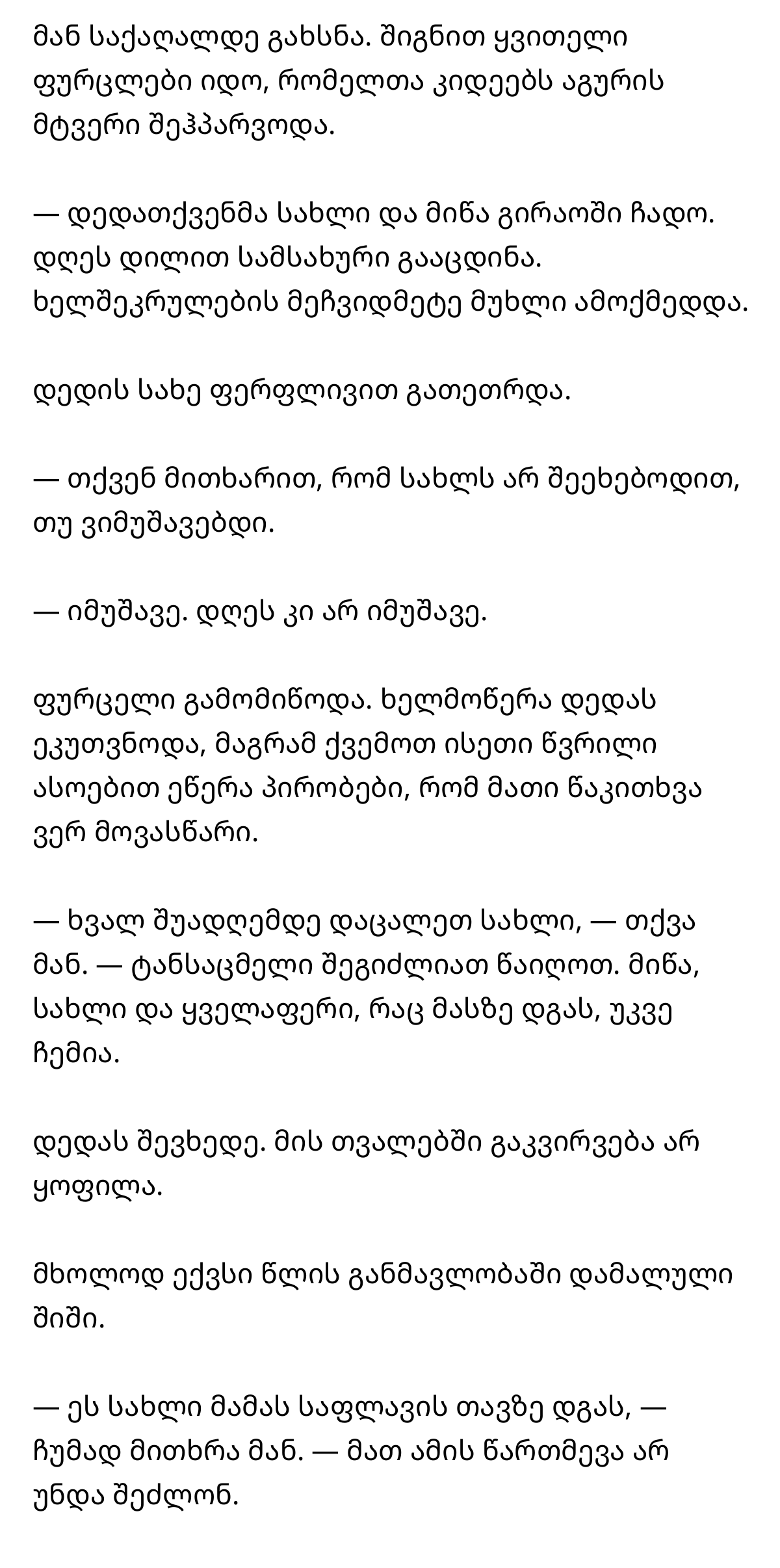
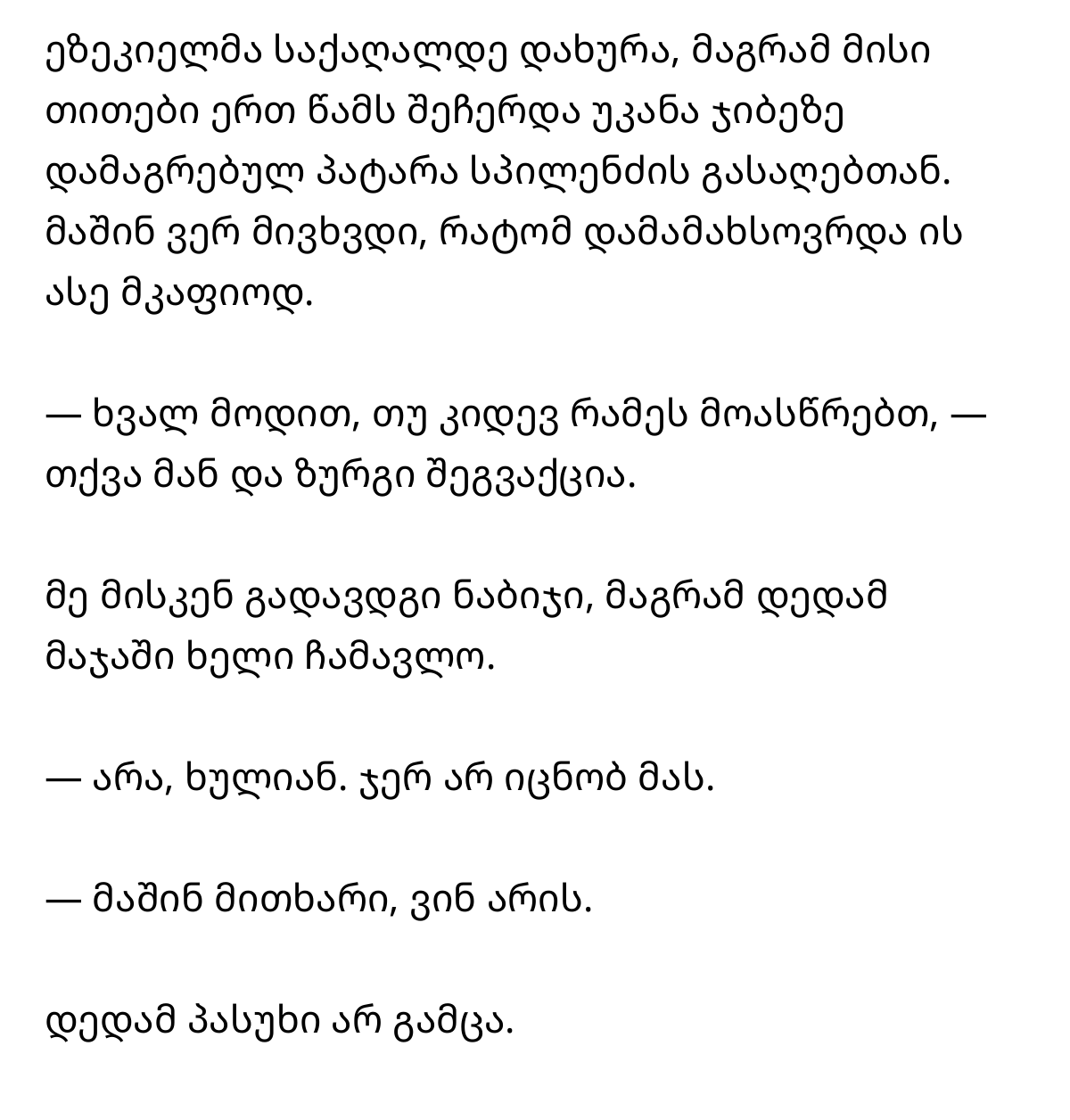

He opened a folder. Inside were yellow papers whose edges had been infiltrated by brick dust.
“Your mother put the house and the land up as collateral. She missed work this morning. Clause seventeen of the contract has taken effect.”
My mother’s face turned white as ash.
“You told me you would not touch the house if I worked.”
“You worked. Today you did not work.”
He handed me the paper. The signature belonged to my mother, but the conditions below were written in letters so tiny that I did not have time to read them.
“Empty the house by noon tomorrow,” he said. “You may take your clothes. The land, the house, and everything standing on it are already mine.”
I looked at my mother. There was no surprise in her eyes.
Only the fear she had hidden for six years.
“This house stands over my father’s grave,” she told me quietly. “They must not be able to take it away.”
Ezequiel closed the folder, but his fingers paused for a moment at the small copper key attached to his back pocket. At the time, I did not understand why I remembered it so clearly.
“Come tomorrow, if you manage to do anything else,” he said, and turned his back on us.
I took a step toward him, but my mother grabbed my wrist.
“No, Julian. You do not know him yet.”
“Then tell me who he is.”
My mother did not answer.
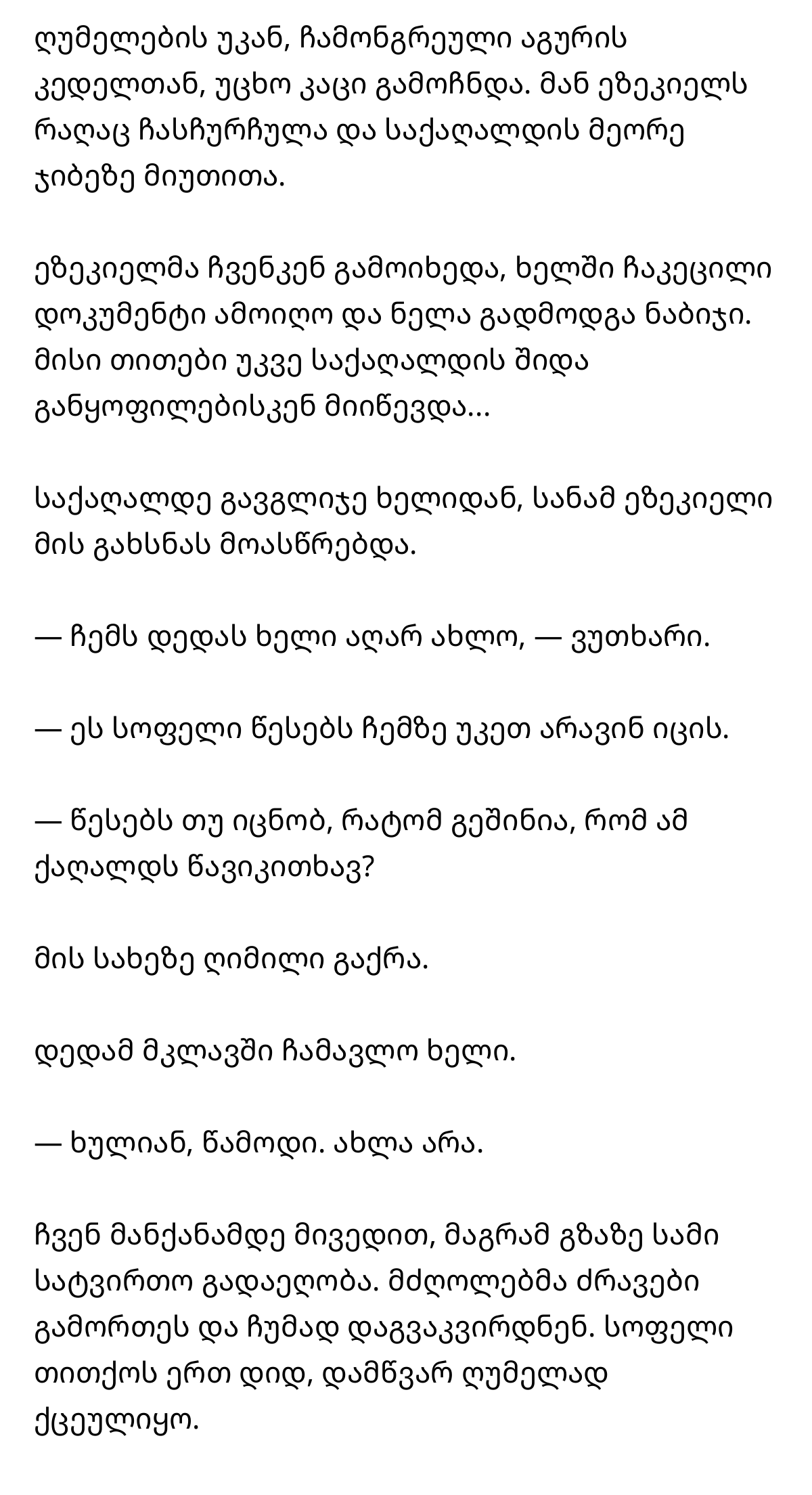

Behind the kilns, beside a collapsed brick wall, a strange man appeared. He whispered something to Ezequiel and pointed at the folder’s second pocket.
Ezequiel looked toward us, took out a folded document, and slowly stepped forward. His fingers were already moving toward the folder’s inner compartment…
I tore the folder from his hand before Ezequiel could open it.
“Do not touch my mother again,” I told him.
“No one in this village knows the rules better than I do.”
“If you know the rules, why are you afraid that I will read this paper?”
The smile disappeared from his face.
My mother grabbed me by the arm.
“Julian, come. Not now.”
We reached the car, but three trucks blocked the road. The drivers turned off their engines and watched us silently. The village seemed to have turned into one enormous, burnt kiln.
That night we returned to my mother’s house. Old photographs of my father hung on the walls, and his wooden pocket watch lay on the table. The watch had stopped at the minute when my father died.
“Tell me everything,” I asked my mother.
She remained silent for a long time.
“The money I gave you was not borrowed only in exchange for my house,” she said at last. “That same day, other people from the village signed too.”},{
“Why?”
“Ezequiel said he would expand the kilns and everyone would have work. Then their debts grew, and their lands disappeared.”

A heavy blow sounded at the door.
At the second blow, the window glass trembled.
My mother took out a small memory card hidden under the old radio.
“My father left this for me,” she whispered. “If the day ever came when they took the house from us, I was supposed to show this to the person who could stop them.”
A third blow sounded at the door.
I closed my hand around the card.
Someone shouted from outside:
“In the morning every landowner will sign. Whoever does not sign will have the kiln pass over his house…”
The lock cracked at the fourth blow, but at that same moment my lawyer, Mariana Soto, appeared in the yard with two police officers.
“Take your hand off the door,” she ordered.
The men outside stepped back. I sat beside my mother and placed the memory card she had been clutching on the table.
In the morning, in the small hall of the municipal archive, there were only five of us in the room: me, my mother, Mariana, the village’s old teacher Don Rafael, and Ezequiel.
Dust was stuck to the windows. The fan of an old projector whined.
“This is a ridiculous spectacle,” Ezequiel said. “No one can cancel contracts with one hidden recording.”
Mariana turned on the computer.
The first document appeared on the screen. It was my mother’s contract, but not the copy Ezequiel had shown us the day before.
“Your mother’s real contract contains one page that was cut out of his copy,” Mariana said. “That page says the loan was only thirty-five thousand pesos and that the transfer of the land would take effect after seven years, and only if the debt was confirmed by a court.”

My mother’s lips trembled.
“I had never seen this page.”
“Because it was glued on later over your signature,” Mariana said.
Ezequiel stood up.
“Slander!”
Don Rafael quietly turned on the recording.
A hidden room behind the kilns appeared on the screen. In the recording, Ezequiel was telling his accountant:
“All the village’s signatures must be in one file. First increase the debts, then transfer the lands. When the last family leaves, the road, the water, and the kilns will be in one hand.”
Silence fell over the room.
In the recording, the accountant asked:
“The Juanacos road too?”
“The road too, the water well, and the cemetery. Whoever resists us will have his house pressed by bricks.”
My mother covered her mouth with her hand.
I looked at Ezequiel.
“You were not taking our house. You were buying the whole village.”
For the first time, his face became confused.

Mariana opened a second folder.
“And one more thing. Julian’s company signed a contract last week with the national producers’ network that owns all the new storage centers in this region. Their land purchases are subject to an independent audit.”
Ezequiel looked at me.
“Do not turn this into a personal war.”
“You turned it into one when you used my mother’s hands to build your own wealth.”
Mariana picked up the phone. An unknown number appeared on the screen.
“Answer it,” she told me.
A woman’s voice came from the other side.
“Mr. Ortega, we have just received notice that the land-purchase contract signed by you was fraudulently prepared. If you do not arrive by ten in the morning, you yourself will be accused of this scheme.”
My mother looked at me.
But Ezequiel was smiling slowly.
“You see?” he said. “When you touch big money, dirt splashes both of you.”
At that moment Mariana opened the last file of the recording. The seal of my company appeared on the screen, and below it—my signature.
I had never signed this contract.
And someone had already begun proving that I was the author of the seizure of the entire village…
როცა საკუთარი ხმა მოისმინა, სახე შეეცვალა…
ფინალში ყველაფერი თავდაყირა დგება. სიმართლე მხოლოდ ერთ სახლს აღარ ეხება.
„ახლა ეს სახლი მხოლოდ ჩვენია.“
მე პირველად მშვიდად ამოვისუნთქე.
👇 ისტორიის ფინალი უკვე გახსნილია
Related posts:
 Part 4 — I Found My Mother by the Brick Kiln, but the Owner Tore Up My Check and Smiled Strangely
 Eight Years Later I Found My Ex-Wife and Child on the Street, and My Mother Lost Her Color When She Saw Them
 When They Considered Taking My Mother to the Doctor Humiliating, the Color Drained from My Husband’s Face and a Heavy Silence Fell over the Room
 I drove my pregnant wife out of the house, and four years later I found her in a free-food line and froze at the sight of an unknown lawyer
 The Meat My Mother Sent Was Being Saved by My Husband for His Mother-in-Law, but When He Opened the Refrigerator, His Face Suddenly Turned Pale
 I took my mother from the house, but when my brother opened her room with a duplicate key, the color drained from his face