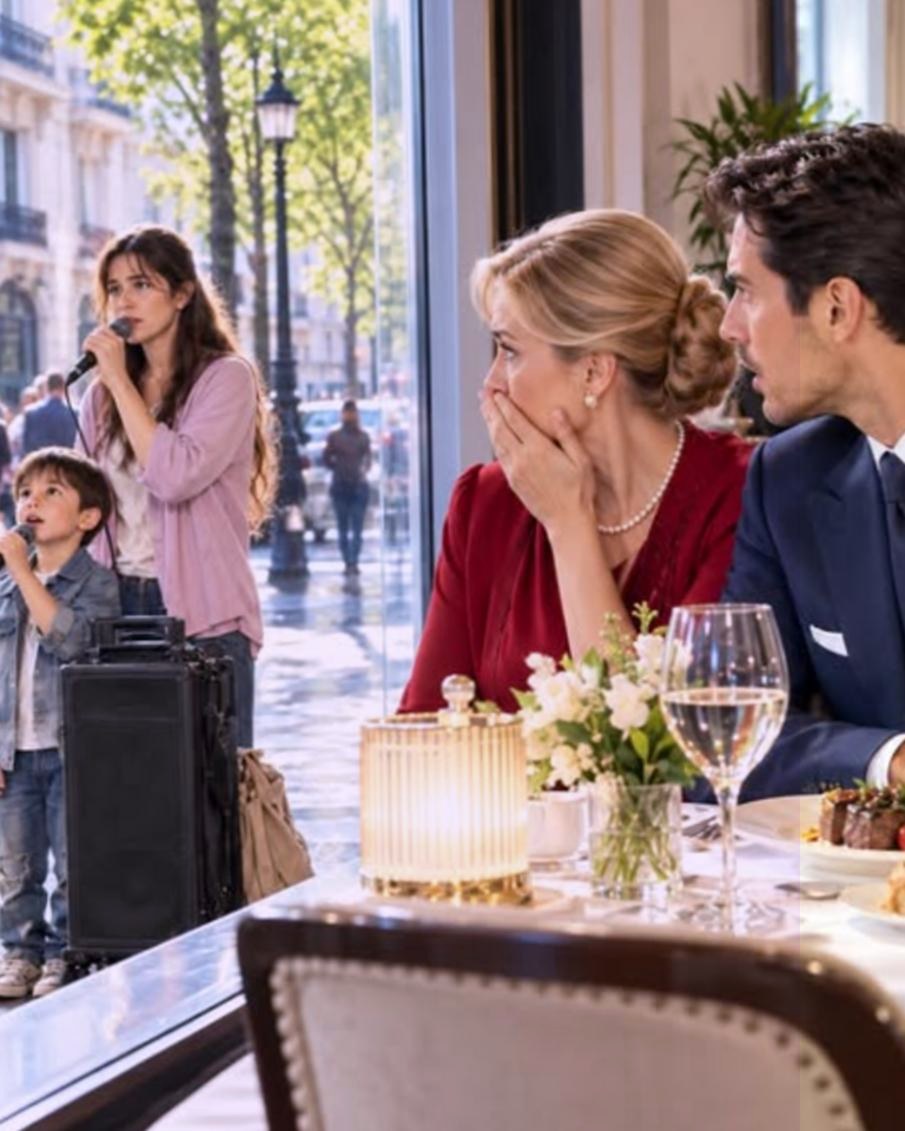

That evening, when my mother saw a singing woman in the street, her bag slipped from her hand and she turned pale as if not a living person but a ghost risen from the past stood there.
I was treating my mother to dinner at a restaurant on Chapultepec Avenue in Guadalajara. A new branch of my transport company had opened; I owned three warehouses and more than forty trucks, and I wanted to share this success with the only person who had once counted money for food—my mother, Teresa.
But through the restaurant window I heard a child’s voice.
“Who taught you this song?” I asked as I ran toward the door.
A seven-year-old boy stood in front of a small speaker. At his feet lay several coins in a plastic cup. The song was unknown to everyone except me. Four lines had been invented by Mariana and me thirteen years earlier, when we rented a damp room in Tonalá and believed that poor people were poor only temporarily.
The boy finished the last note and ran toward the woman who was gathering the coins.
“Mariana…”
The woman turned around.
The eight years of not seeing each other lost their meaning in one second. Mariana López was thin, wore old sneakers, and had a thin gray sweater wrapped around her shoulders. Fatigue showed under her eyes, but her gaze was still the same—direct, calm, and painfully familiar.
“It has been a long time, Alejandro,” she said.
My mother came out behind me. First she looked at Mariana, then at the child, and the leather bag fell from her hand. A small copper lighter fell from the bag; it had belonged to my father, and my mother had carried it with her for years.
“Mom, are you all right?”
“I got dizzy,” she whispered.
I knew it was not dizziness.

I knelt in front of the boy.
“What is your name?”
He looked at Mariana.
“Mateo López.”
“How old are you, Mateo?”
“Seven years and five months.”
Something heavy fell inside my heart. Mariana and I had separated eight years earlier, but on the last night, before signing, we had both cried. I still loved her then. It was just that so many lies, fights, and family pressures had accumulated that love could no longer breathe.
I looked into Mateo’s eyes. When he frowned, he tilted his head slightly to the side—exactly as I had done in childhood. He had small ink stains on his fingers, and a thin scar behind his right ear.
“Mariana, who is Mateo’s father?”
A bitter smile appeared on her lips.
“You are asking me that after eight years?”
“What does that mean?”
“Eight years ago I tried to tell you.”
My breath caught.
“What were you going to tell me?”
“I sent you a letter. I came to your workplace. I called you from the hospital. And you did not come even once.”
My mother quickly raised her head.
“Mariana, enough.”
“No, Teresa. Now the silence is enough.”
At that moment two men appeared. One of them reached toward Mariana’s bag of coins.
“You have to pay a fee for singing here.”
Mateo stepped in front of his mother.
“Don’t take my mother’s money!”
I grabbed the man by the wrist.
“Let her go.”
“Who do you think you are?”
“A person who sees the cameras and has already called the police.”
The restaurant manager came to the door, while the red light of a camera mounted on the street wall blinked. The men cursed and walked away into the dark street.

“I’ll take you home,” I told Mariana.
She folded up the speaker.
“I don’t need you to save me today. For eight years, I have gone home alone.”
She took Mateo’s hand and turned to leave. I noticed a small, worn wooden tag attached to his back—a truck-shaped one, with my childhood nickname written on it: Lecho. Only the two of us knew that name.
“Mariana…”
She stopped.
“If you really want to know who Mateo’s father is, come to the old station tomorrow at ten in the morning. Alone.”
“Tell me now.”
Mariana looked at my mother, then at my face. She moved her hand toward the inner pocket of her bag and prepared her fingers to take out a thin folder…
❤️ The continuation of this story touched my heart too. The next part is waiting for you in the first comment. 👇
Mariana’s fingers stopped at the inner pocket of the bag, but she did not take out the folder. Under the streetlight she looked at my mother and said in a voice as if every word had been stuck in her throat for eight years:
“Tomorrow you will learn what they did not let you learn then.”
“Who did not let me?” I asked.
“Think for yourself, Alejandro.”
“Mariana, if this is my child…”
“If?” she laughed, but there was no joy in the laughter. “You always said everything conditionally. You said it then too: if the child is mine, if you really love me, if my mother lied. But I needed answers, not conditional words.”
Mateo looked in my direction. In his hand he held the little wooden truck, from which red paint had peeled in places. Lecho. My old nickname. In childhood my father called me that because I turned every toy car into a truck.
“Where did you find this?” I asked.
“My mother gave it to me,” the boy answered. “She told me that my father would make this.”
My heart began beating so fast that the noise of the street disappeared.

My mother stepped forward.
“Come with me now, Alejandro.”
“Why? Did seeing Mateo frighten you?”
“This woman is trying to use you.”
“Did you think that eight years ago too?”
My mother’s face hardened.
“Eight years ago you lost your family because you believed Mariana.”
“I did not believe Mariana. I believed you.”
When I said the words aloud, I realized for the first time how much this admission hurt.
At ten at night Mariana left with Mateo. I did not return to the restaurant. My mother sat silently in the car and turned the copper lighter with her fingers. Its lid made a small metallic sound each time.
“Tell me the truth,” I said when I stopped the car. “Was Mariana pregnant?”
“Do you still trust this woman?”
“Answer the question.”
“The child was not yours.”
“Then why aren’t you looking me in the eyes?”
She looked at me for the first time, and I saw in her eyes a fatigue unfamiliar to me.
“Because some truths destroy a person.”
“Did you decide what I could endure?”
My mother opened the door.
“Do not go tomorrow.”
“I will definitely go.”

That night I opened every drawer in the house. Old papers, divorce documents, several photographs of Mariana. In one photograph she was young, her hair scattered by the wind, and she held a small wooden truck in her hand. On the back of the photograph, in my handwriting, it said: “For our first home.”
Under the photograph I found an old telephone number. Mariana’s number. I called. No one answered.
In the morning I went to the old station. Earlier we had waited there for freight cars, but now there were concrete walls and rusty benches. Mariana was already there. She held a paper folder, and there were water stains on its corners.
“Why didn’t you show me all this then?” I asked.
“I wanted to. Many times.”
“Who stopped you?”
Mariana placed the folder on the bench.
“Your mother came to the maternity hospital. She said you had been in an accident and did not want to know about the child.”
“That is impossible.”
“Then I received a letter signed in your name. It said that the child was not yours and that you no longer intended to have a relationship with me.”
I looked at the folder.
“This is not my handwriting.”
“I know. Now I know.”
“And why did you return to the street with a song?”
Mariana’s eyes lit up.
“Because Mateo needs an operation. And because I had no money. But after seeing you yesterday, I realized that I had to finish something more important than the song.”
“What operation?”
“His heart. We have two weeks left.”
My knees lost their strength.
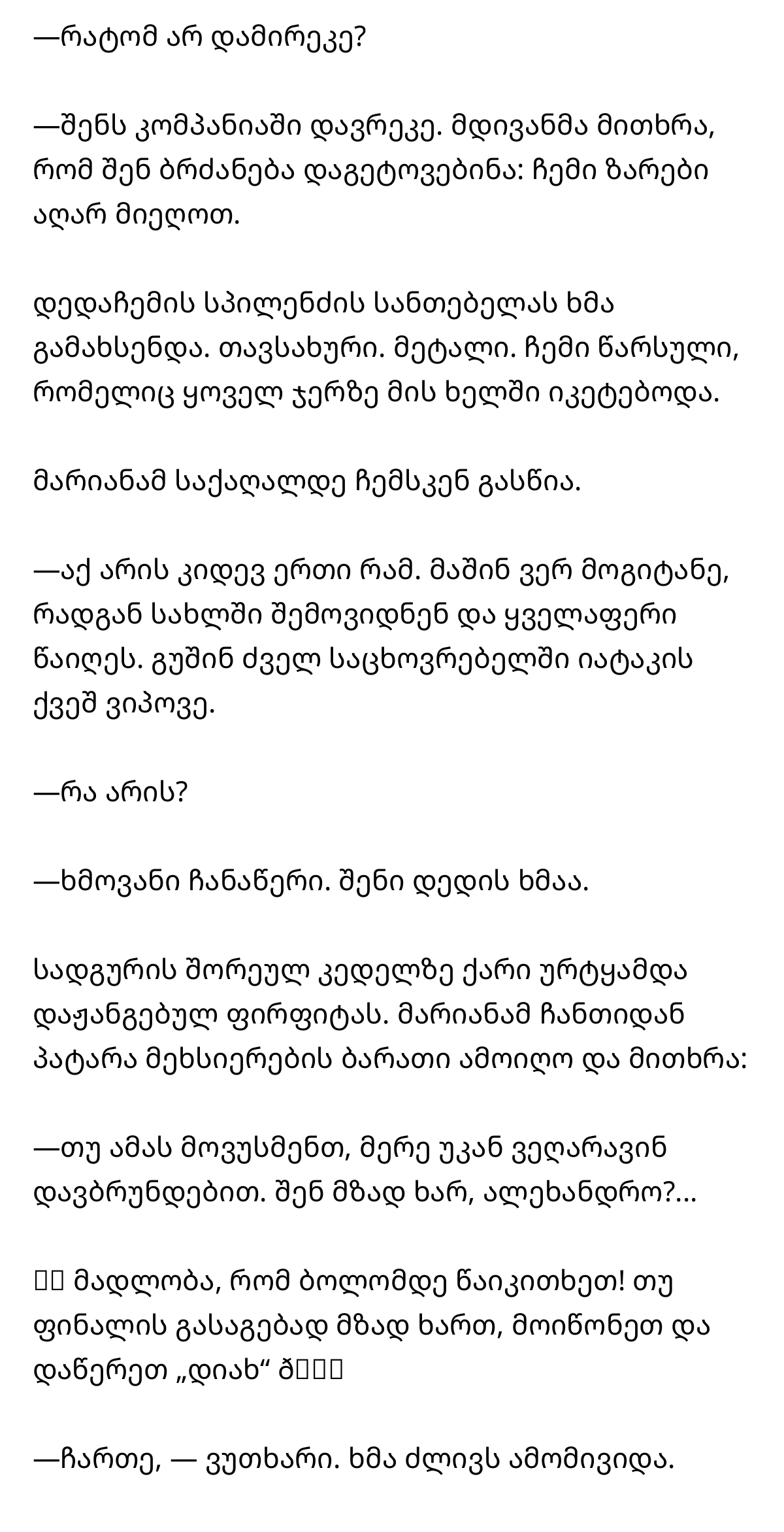

“Why didn’t you call me?”
“I called your company. The secretary told me that you had given an order not to accept my calls anymore.”
I remembered the sound of my mother’s copper lighter. The lid. The metal. My past, which closed in her hand every time.
Mariana pushed the folder toward me.
“There is one more thing here. I could not bring it to you then, because they entered the house and took everything. Yesterday I found it under the floor in the old residence.”
“What is it?”
“A voice recording. It is your mother’s voice.”
The wind struck a rusted sheet on the far wall of the station. Mariana took a small memory card from her bag and said to me:
“If we listen to this, none of us will be able to go back afterward. Are you ready, Alejandro?…”
❤️ Thank you for reading to the end! If you are ready to understand the finale, like and write “yes” 👇
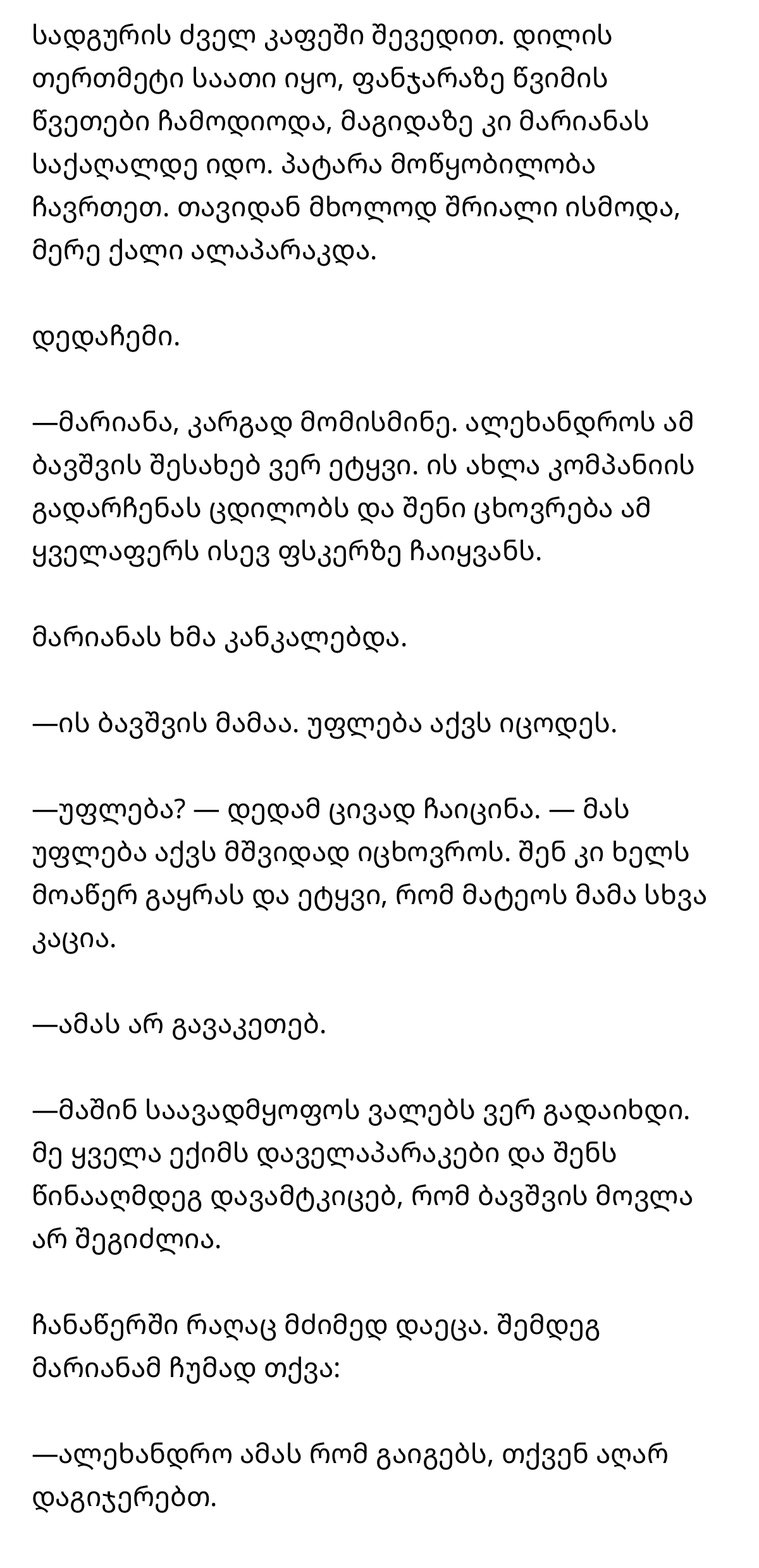
“Turn it on,” I said. My voice barely came out.
We entered the old station café. It was eleven in the morning, raindrops were running down the window, and Mariana’s folder lay on the table. We turned on the small device. At first there was only static, then a woman began to speak.
My mother.
“Mariana, listen to me carefully. You cannot tell Alejandro about this child. He is now trying to save the company, and your life will drag all of this back to the bottom.”
Mariana’s voice trembled.
“He is the child’s father. He has the right to know.”
“The right?” my mother laughed coldly. “He has the right to live peacefully. And you will sign the divorce and tell him that Mateo’s father is another man.”
“I will not do that.”
“Then you will not be able to pay the hospital debts. I will speak to every doctor and prove against you that you cannot care for the child.”
Something fell heavily in the recording. Then Mariana said quietly:
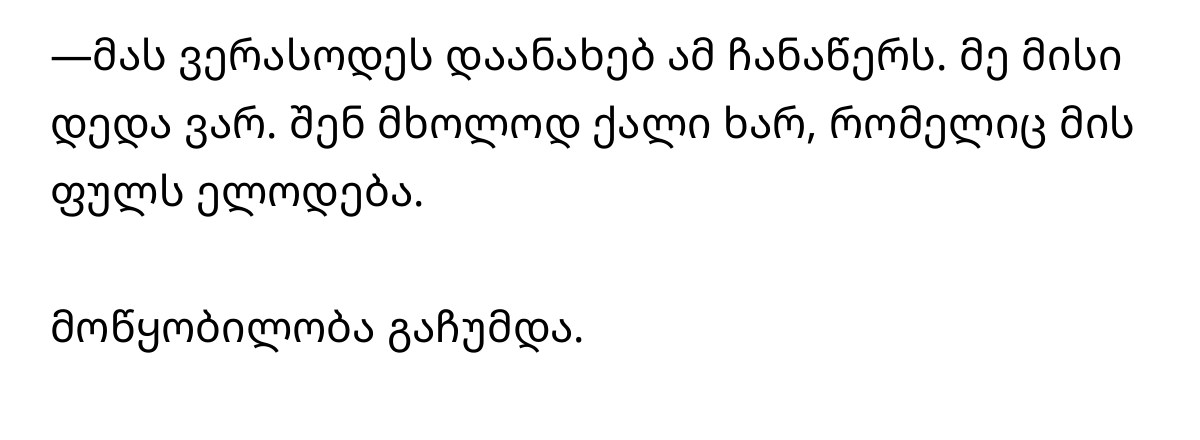
“When Alejandro learns this, he will no longer believe you.”
“You will never show him this recording. I am his mother. You are only a woman waiting for his money.”
The device fell silent.
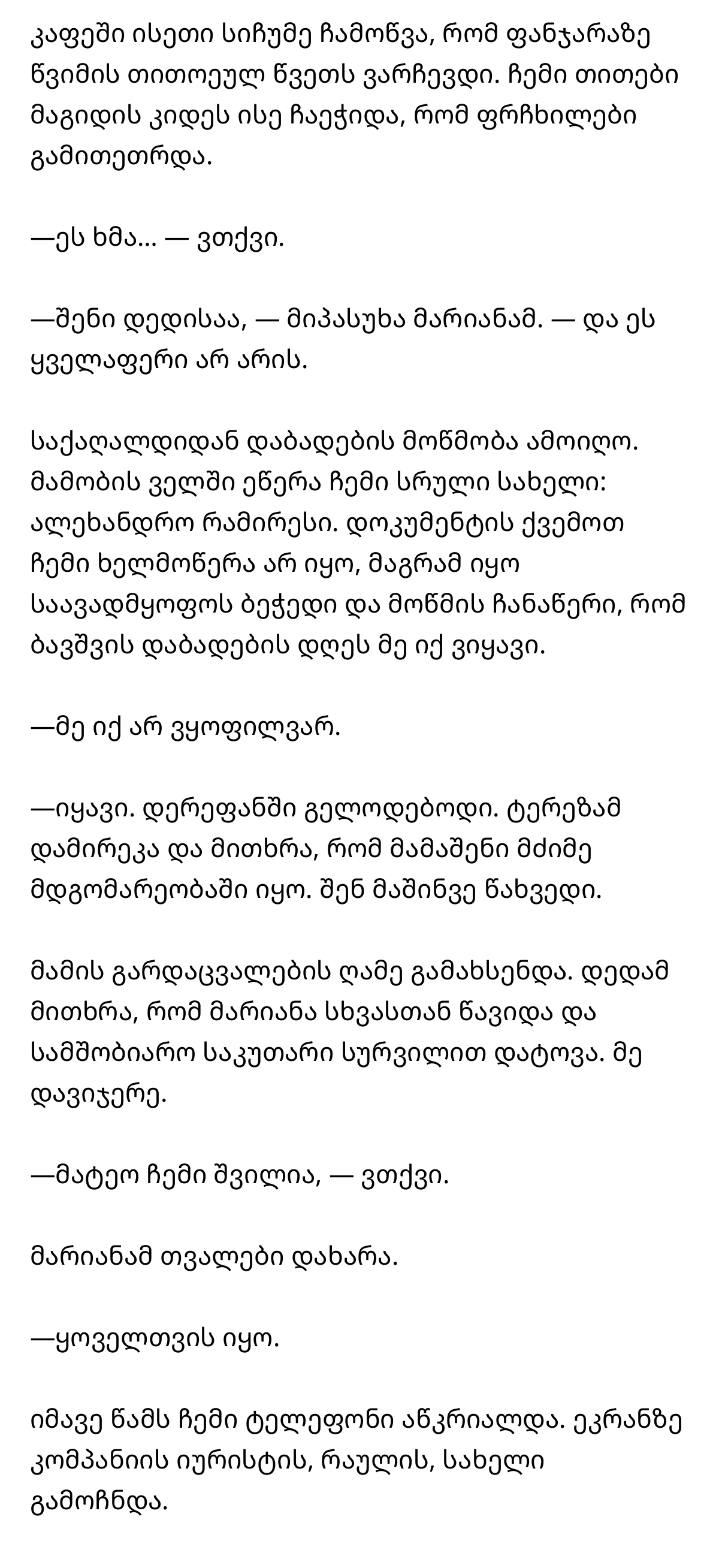

Such silence fell over the café that I could distinguish every raindrop on the window. My fingers gripped the edge of the table so tightly that my fingernails turned white.
“That voice…” I said.
“It is your mother’s,” Mariana replied. “And that is not all.”
She took a birth certificate from the folder. In the fatherhood field was my full name: Alejandro Ramirez. There was no signature of mine below the document, but there was a hospital stamp and a witness’s note that I had been there on the day the child was born.
“I was not there.”
“You were. I was waiting for you in the corridor. Teresa called me and told me that your father was in serious condition. You left immediately.”
I remembered the night my father died. My mother told me that Mariana had gone away with someone else and left the maternity hospital of her own accord. I believed her.
“Mateo is my son,” I said.
Mariana lowered her eyes.
“He always was.”
At that same moment my phone rang. The name of the company lawyer, Raúl, appeared on the screen.
“Alejandro, where are you?” His voice was tense.
“Tell me.”
“The bank has temporarily frozen all the accounts. Documents were submitted this morning as if you were transferring the controlling share in the company to your mother.”
“What documents?”
“Your power of attorney. The old one that you issued eight years ago during the divorce.”
Mariana closed her eyes.
“Teresa knew the truth would come out,” she said.
Raúl added:
“And one more thing. This afternoon they are trying to sell your largest warehouse.”
“Who is trying?”
There was silence on the line for several seconds.
“Your mother. And the buyer is already waiting at the notary’s office.”

Outside, the rain grew stronger. Mateo, who was drawing a truck on paper with a pencil in the corner of the café, came to me.
“Dad, Mom, shall we go home?”
It was the first time he had called me that.
I knelt in front of him and placed my hand on his shoulder.
“Yes, son. But first we have to stop one person.”
At that moment my mother called me. Her voice was strangely calm.
“If you want to save the warehouse, Alejandro, come alone. Do not bring Mariana and the child here. Otherwise I will tell everyone that you are psychologically unstable and can no longer manage the company.”
“You planned all this?”
“I saved your life.”
“No, Mom. You took my life away.”
She said quietly:
“Then you will see what you lose.”
The call ended. Just then Raúl sent me a second message: the notary’s stamp had already been placed on the document signed by my mother, and the signature made in my name below completely matched the old sample.
But at the very end of that same document there was one date that my mother had not yet seen. And when I revealed it to her, the heaviest blow would not be the loss of the warehouse…
როცა ჩანაწერი ჩაირთო, დედაჩემმა პირველად დაკარგა სიტყვები…
სიმართლემ ყველაფერი შეცვალა, მაგრამ ეს ჯერ კიდევ დასასრული არ იყო. ყველაზე მძიმე პასუხი სახლში, პატარა ბავშვისგან მივიღე.
„ვეღარ დაგიცავ შენი გადაწყვეტილებების შედეგებისგან.“
ოთახში პირველად სრული სიჩუმე ჩამოწვა.
😱 გაიგე, რას მალავდნენ ისინი →
👇 ისტორიის ფინალი უკვე გახსნილია
Related posts:
 I drove my pregnant wife out of the house, and four years later I found her in a free-food line and froze at the sight of an unknown lawyer
 Three Days After the Divorce, My Ex Mocked Me When He Saw an Old Man with Me — Then the Color Drained from His Face
 My husband left me for his former lover and stabbed me twice, but his strange visitor at the hospital lost color
 I Refused to Give Up My Eight-Year-Old Daughter, and Years Later My Mother’s Smile Suddenly Disappeared at the Gala
 The Meat My Mother Sent Was Being Saved by My Husband for His Mother-in-Law, but When He Opened the Refrigerator, His Face Suddenly Turned Pale
 On the third day after my C-section, three children were left at my door, but after the call my husband’s face turned pale