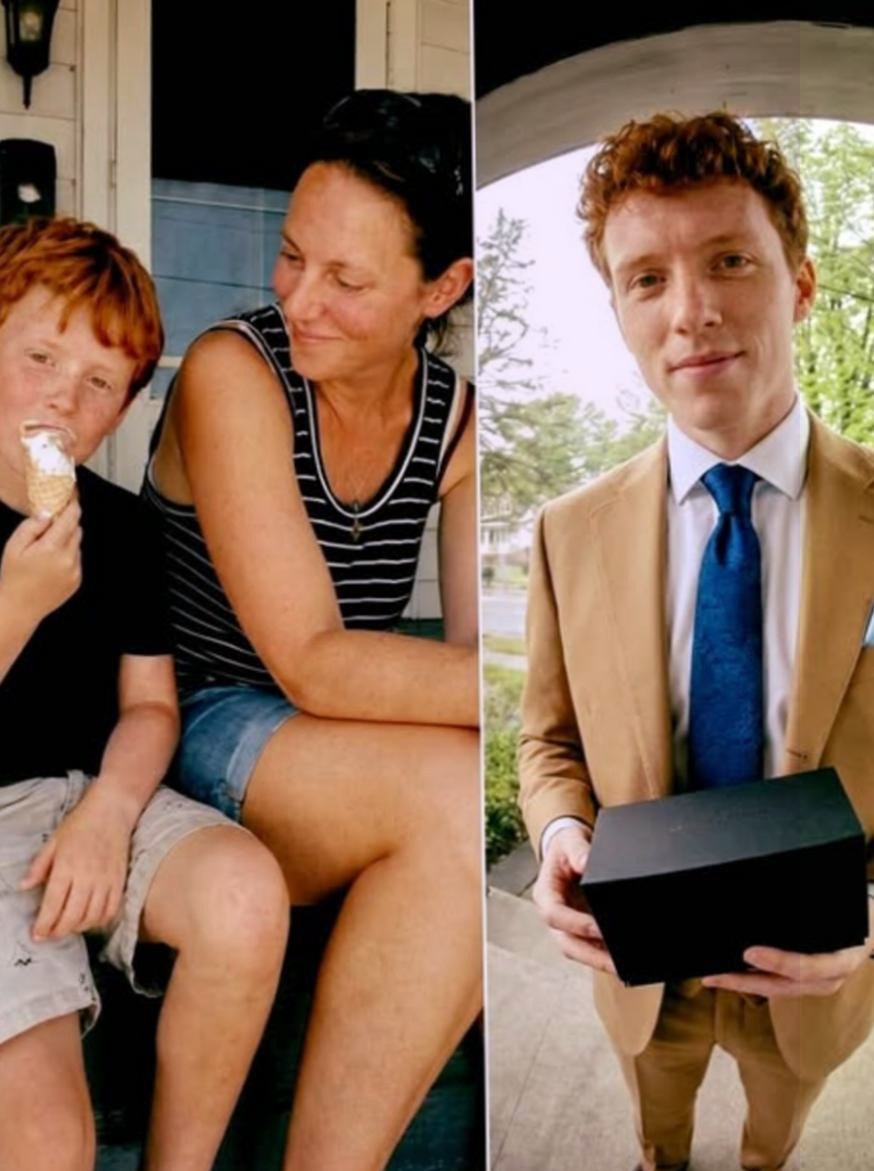

Dylan’s parents brought the police to my front door and told me never to go near their son again, or I would regret everything.
This happened twenty years ago, on one frozen winter evening, when an eleven-year-old boy was sitting alone across the street, beneath an old oak. He had drawn his knees up to his chin and clasped his hands as if he were fighting the cold with his own body. When I saw him from the window, something inside me broke.
I put on a coat and went outside. I was holding my small teacup with an elephant on it; my grandmother had left me that cup, and I always used it when someone needed comfort.
“Will you come inside?” I asked. “I have tea. And cookies, too.”
The boy looked first at my face, then at the cup.
“Can I have sugar?”
“As much as you want.”
He stood up carefully.
“I’m Dylan.”
That evening I learned that Dylan lived in the neighboring house and that his parents severely restricted his food. Vegetables, water, unsweetened porridge. No pizza, no candy, no chips. His mother called it “discipline,” while his father watched the boy’s every bite.


The next day Dylan offered to sweep my yard in exchange for a piece of chocolate.
“I won’t trade food for work,” I told him.
“Then I’ll just help you,” he replied, and picked up the broom.
That was how it all began. He came to me after school, I made him pizza, turned on cartoons, and listened to his stories. When he turned twelve, he helped me change light bulbs. When he turned fourteen, he carried my heavy bags inside. And each time, I realized that I saw a son in this boy.
My husband, Richard, could not stand it.
One evening, in the kitchen, while Dylan was watching an old cartoon in the living room, Richard said to me in a low voice:
“Ellen, this boy will bring us trouble one day.”
“He’s a child.”
“No. He is someone else’s responsibility.”
His fingers tapped nervously near the knife lying on the table.
I did not answer him. I only smelled the pizza in the oven and convinced myself that Richard was simply jealous.


The evening before Dylan left for college, I held his last dinner at our house. We sat on the floor, holding hot slices in our hands and laughing. Dylan told me that in the future he would become a lawyer, because people who could not speak up needed help.
“Promise me, too, that you won’t disappear,” I said.
He watched me silently for several seconds.
“If I disappear, it will be because they forced me to.”
By morning he was already gone. The neighbor’s truck was no longer there. And such silence stood in the house, as if someone had even forbidden it to breathe.
I went into the bedroom and found the jewelry box open. My grandmother’s earrings, my mother’s ring, the necklaces, and the money Richard had hidden were gone.
Richard was standing in the doorway.
“I told you,” he said. “Do you understand now?”
I clutched the box. It was not heavy in my hand like the cup with the elephant on it, but in that moment it made the whole house heavy.
I did not dare call Dylan’s parents. I knew they would blame him and might even beat him. Years passed. No letter, no call.


Twenty years later, on one foggy afternoon, the doorbell rang. A tall man in a black suit stood on the camera. He was holding a large, heavy box.
When he raised his head, he ran his hand over his hair with the same nervous movement as in childhood.
“Dylan?” I asked through the intercom.
“Yes, Mrs. Holland.”
I opened the door. He was not smiling.
“I brought this only for you,” he told me, and placed the box in my hands.
I touched the lid with my fingers. Something inside shifted heavily. At that moment I hoped I would find the lost jewelry.
I slowly lifted the lid. First I saw only the corner of a white cloth. Then something appeared that made the box fall from my hands, and I turned toward Richard…
The lid opened all the way, and I did not have time to believe anything. A small voice recorder fell out of the box and landed on the wooden floor. Old photographs lay beside it.
Dylan bent down quickly.
“Don’t touch it,” he told me.
“What is this?”
“The truth they hid from you for twenty years.”
There was no anger in his voice. Only exhaustion.

Richard appeared by the stairs. The color had drained from his face.
“Who gave you permission to come here?” he roared.
Dylan looked at him.
“You were shouting like that that day, too, when you told me that if I said even one word, we would hurt Ellen.”
My breath caught.
“Richard, what is he saying?”
My husband took a step forward, but Dylan raised his hand.
“You cannot run away today. The recording is already with others, too.”
He picked up the device and pressed the start button with his finger. First there was a hissing sound, and then young Richard’s voice:
“Take these things and tell her that you stole them. If you don’t do it, you will never see Ellen again.”
My knees gave way. Richard reached toward the box, but Dylan stepped back.
“This is only the beginning,” he said. “And you have not yet seen the main document…”
My husband’s young voice could still be heard in the recording. Each word struck the walls and came back.
“Your parents cannot pay my debt. And you are the perfect victim for me. Ellen will believe you because she loves you.”
I switched off the device. My hands were trembling.
“It’s fake,” Richard said. “This boy is trying to get revenge.”
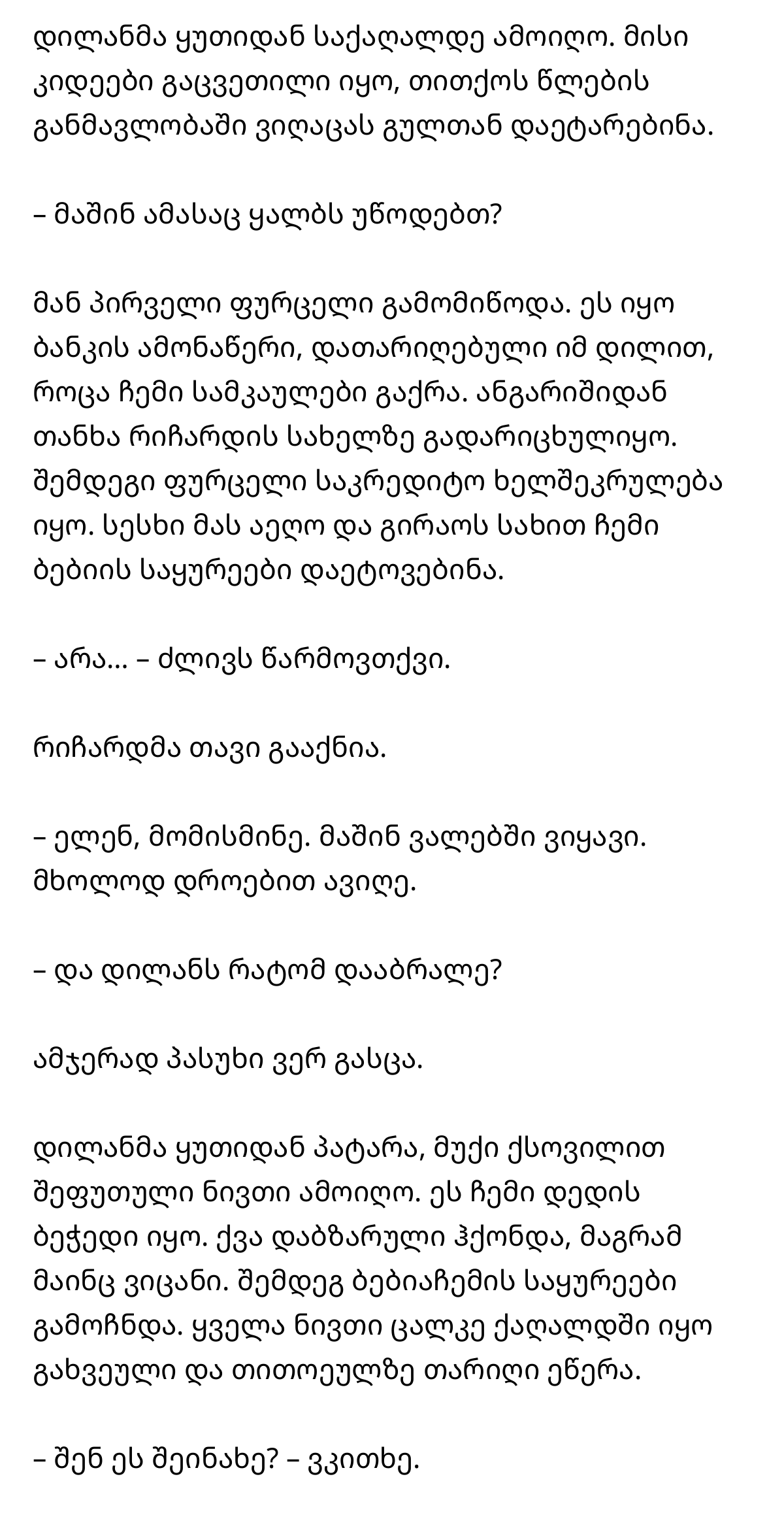

Dylan took a folder out of the box. Its edges were worn, as if someone had carried it close to his heart for years.
“Then do you call this fake, too?”
He handed me the first sheet. It was a bank statement dated the morning my jewelry disappeared. Money had been transferred from the account into Richard’s name. The next sheet was a credit agreement. He had taken out the loan and left my grandmother’s earrings as collateral.
“No…” I barely said.
Richard shook his head.
“Ellen, listen to me. I was in debt then. I only took it temporarily.”
“And why did you blame Dylan?”
This time he could not answer.
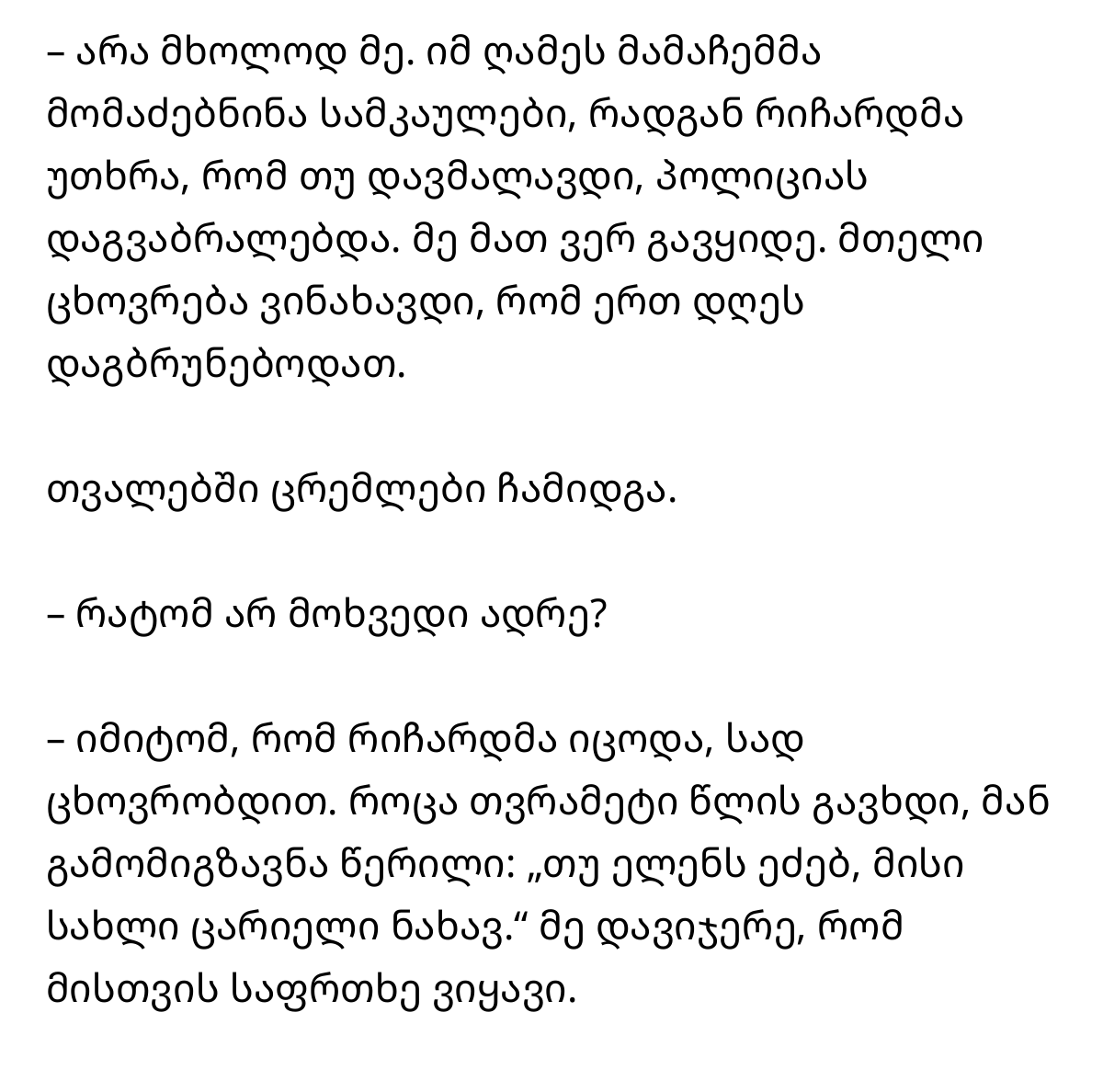
Dylan took a small item wrapped in dark cloth from the box. It was my mother’s ring. Its stone was cracked, but I still recognized it. Then my grandmother’s earrings appeared. Every item was wrapped in separate paper, and each had a date written on it.
“You kept this?” I asked.
“Not only me. That night my father made me find the jewelry because Richard told him that if I hid it, he would blame us to the police. I could not sell it. I kept it all my life so that one day I could return it to you.”
Tears filled my eyes.
“Why didn’t you come earlier?”
“Because Richard knew where you lived. When I turned eighteen, he sent me a letter: ‘If you look for Ellen, you will find her house empty.’ I believed that I was a danger to her.”
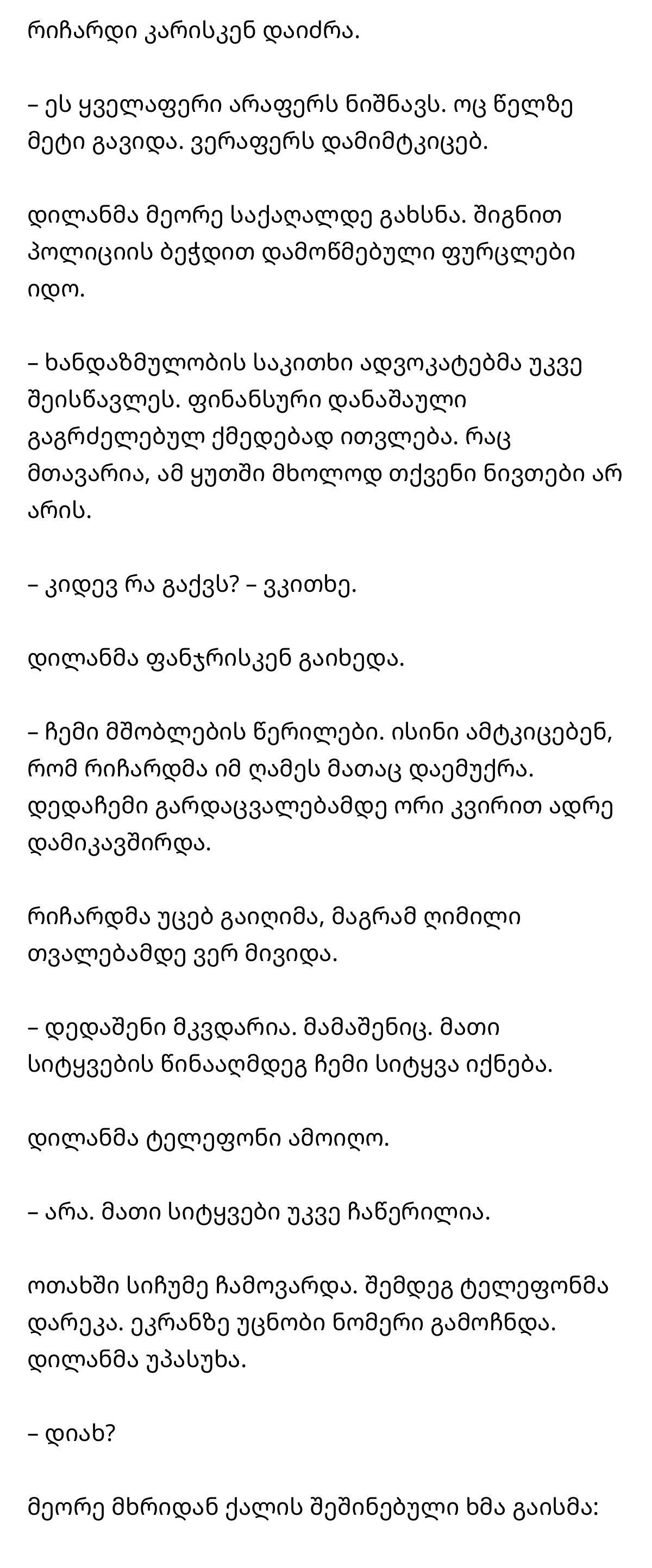

Richard moved toward the door.
“None of this means anything. More than twenty years have passed. You cannot prove anything against me.”
Dylan opened the second folder. Inside were papers certified with a police stamp.
“The lawyers have already examined the issue of the statute of limitations. The financial crime is considered a continuing act. More importantly, this box contains more than just your things.”
“What else do you have?” I asked.
Dylan looked toward the window.
“Letters from my parents. They prove that Richard threatened them that night, too. My mother contacted me two weeks before she died.”
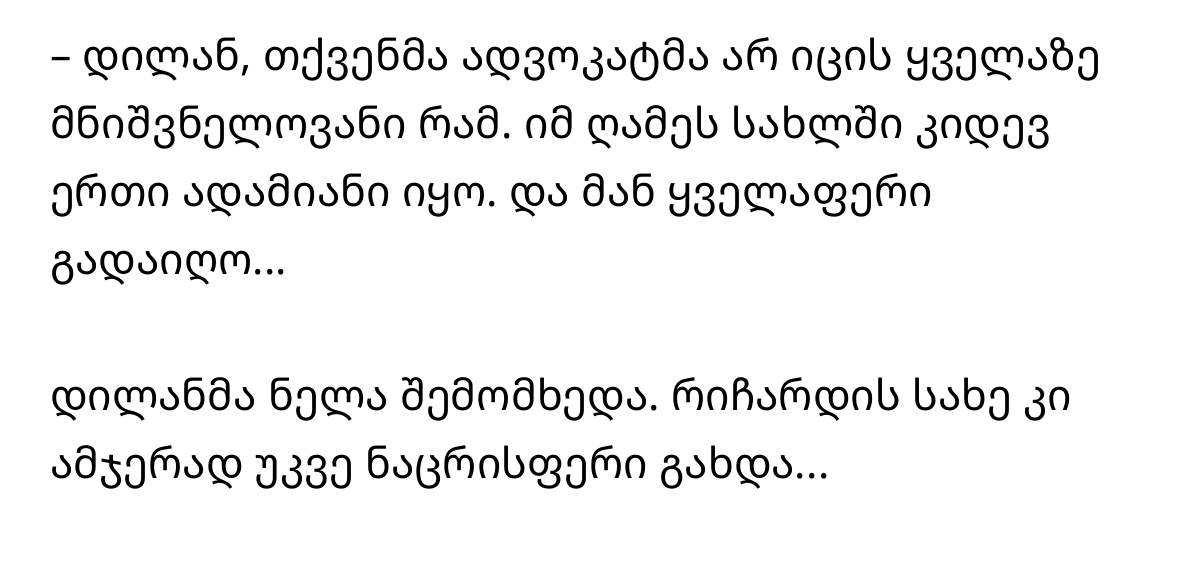
Richard suddenly smiled, but the smile did not reach his eyes.
“Your mother is dead. Your father is dead, too. It will be my word against theirs.”
Dylan took out his phone.
“No. Their words have already been recorded.”
Silence fell over the room. Then the phone rang. An unknown number appeared on the screen. Dylan answered.
“Yes?”
A frightened woman’s voice came from the other side:
“Dylan, your lawyer does not know the most important thing. There was another person in the house that night. And she filmed everything…”
Dylan slowly looked at me. But this time Richard’s face had already turned gray…
როცა რიჩარდმა საკუთარი ხმა პირველად მოისმინა…
ფინალში ყველაფერი იმაზე ბევრად ღრმად აღმოჩნდა, ვიდრე მეგონა.
ერთმა ძველმა ნივთმა ოცი წლის სიჩუმე დაასრულა.
„ამჯერად არ გაქრები.“
რიჩარდმა პირველად დახარა თავი.
😱 გაიგეთ, რას მალავდნენ ისინი →
👇 ისტორიის ფინალი უკვე გახსნილია
Related posts:
 Part 4 — Twenty years ago I helped the neighbor’s boy, but now his black box has drained the color from my husband’s face
 My Father Was Fed by a Poor Woman at Night, but When I Followed Her Trail, a Stranger’s Face Suddenly Turned Pale
 They told me I was outdated and reduced my working hours — but the director’s face changed when he saw the messages from ten o’clock
 She returned to my workshop after eighteen years and changed everything with one phrase — the woman standing at the door suddenly turned pale
 Drei Stunden vor meiner Hochzeit hörte ich hinter einer Tür meinen Namen – dann blieb mein Bräutigam plötzlich reglos stehen
 Kétezer dollárért mentem hozzá a börtönben ülő Dylanhez, de amikor három év múlva hazatért, az arca hirtelen megváltozott