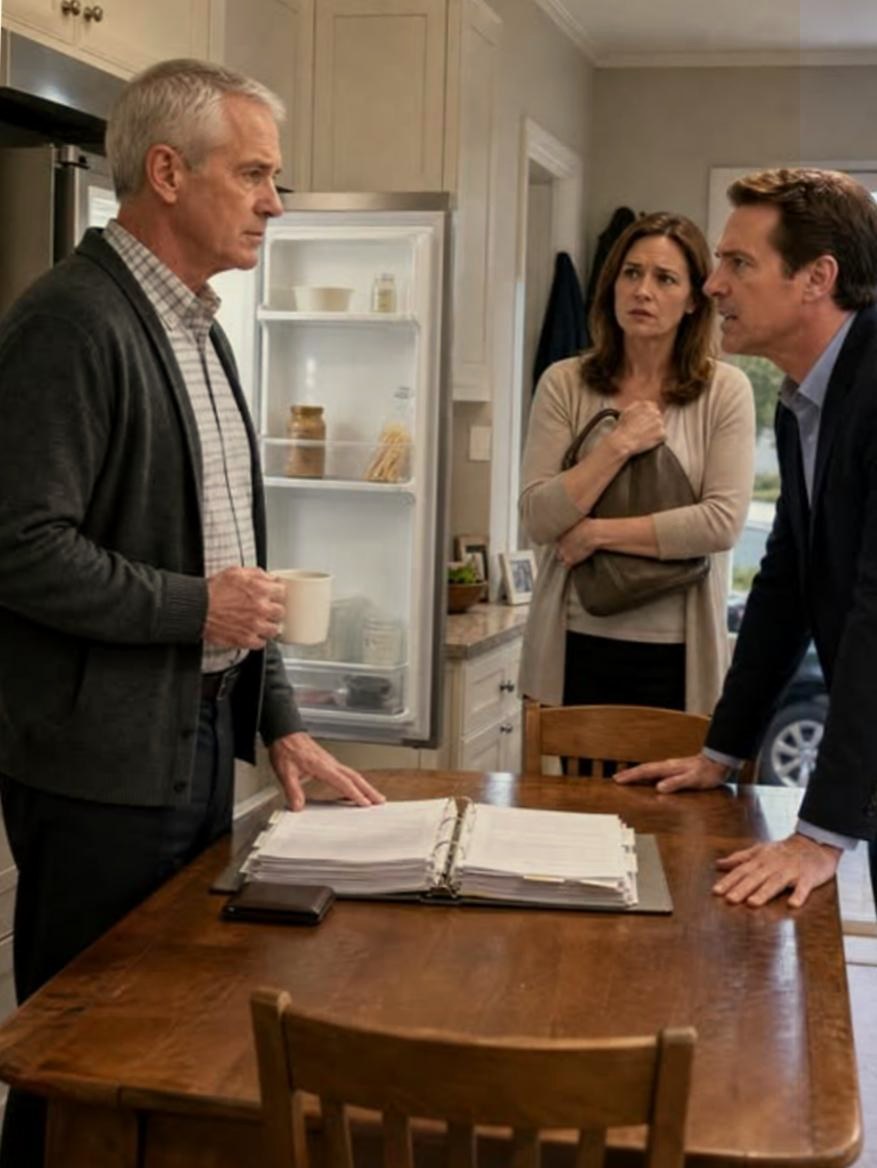

That morning my son-in-law pushed the door open instead of knocking and came in as though he had had the right to enter my house since birth. Behind him stood my daughter Claire, holding a cream-colored bag, her fingers clenched around its golden clasp as though she were protecting something inside. I was sitting by the window and drinking black coffee. I expected them to come soon. Not this soon.
“What did you do?” Jason asked me.
I drank more coffee.
“Good afternoon.”
The muscle in his jaw tightened.
“The card did not work.”
At that moment I realized that this was no longer only about one bank account.
I was sixty-seven years old and had worked for forty years as an aviation safety inspector. My job had never been to approve an airplane. I looked for the reason it might crash: a thin crack at a fastening, an incorrectly entered repair record, a part whose number did not match the document.
Small discrepancies.
People do not pay attention to them until too many accumulate in one place.
Perhaps I should have used that habit in my own family sooner.
After my wife Eleanor died, I moved into the small house behind the main house. The land was two hectares, the house had four rooms, and enormous oaks stood in the yard. I had bought everything for cash fourteen years earlier. I had no mortgage.

Claire and Jason lived in the main house. They paid no rent. They covered only the taxes and minor repairs. At first it looked like family help.
Then the meaning of help slowly changed.
“We’ll pay a few bills, Dad,” Claire told me once.
Then they bought groceries. Finally, they gained access to my pension account.
I called it practicality.
That word covered up many things.
That morning I went to the bank alone. It took me twenty minutes. I opened a new account, got a new card, and redirected the pension deposit there. There was no argument. I blamed no one. I simply moved my money to where only I could reach it.
A few hours later Jason was standing in my kitchen and demanding an explanation.
“Which card?” I asked.
“The family one.”
There had never been a family card. There had been my pension account.
“The ATM kept the card,” he told me.
“Where?”
Jason looked at Claire. Claire looked at him.
That look told me more than an answer could have.
“In the car showroom,” Claire said quietly.
“What were you buying?”
“Dad, it isn’t like that…”
“A car?”
Jason exhaled.
“We wanted a safer car for Claire.”
Claire already had a three-year-old car that had not even driven thirty thousand kilometers.


I opened the refrigerator. Inside were only eggs, half a loaf of bread, broth, crackers, one apple, and an almost empty jar of peanut butter.
“What did you bring me this week?” I asked.
Claire lowered her head.
“I had meetings.”
“Last week?”
“Dad, now is not the time for this.”
“This is exactly the time.”
The kitchen fell silent. The ticking of the clock sounded too loud.
“In ten months, about forty-seven thousand dollars entered my account,” I said. “And I was eating soup because you told me there was no room for more money in the budget.”
The golden clasp of the bag in Claire’s hand clicked softly.
I knew that bag. Not because of the brand. I had its receipt.
I took a black, thick folder from the bookshelf. Old aviation manuals stood beside it. The folder contained eighteen months of statements, receipts, and a report prepared by Naomi Reed, a forensic accountant.
“What is this?” Jason asked.
“What you thought needed an explanation.”
I placed the first sheet on the table.
“Seaside resort. Three thousand two hundred dollars.”

Claire looked at Jason.
“We had already booked it,” she said.
“For the same weekend when I was bedridden with the flu and asked you to bring me medicine.”
I turned over the next sheet.
“Restaurant. Every Friday, for four months.”
Jason crossed his arms.
“You entrusted us with managing the expenses yourself.”
“Managing them and spending my pension are not the same thing.”
“You live in this house, which we maintain.”
Outside the window stood my house. My land. My money.
“Whose name is on the property deed?” I asked.
Jason could not answer.
Claire said almost in a whisper:
“Yours.”
Jason slapped the folder. Then he reached into the inner pocket of his jacket and pulled out a thick, yellowish legal envelope. Claire looked away before he even touched it.
Jason placed the envelope on my statements and said quietly:
“I hoped we would not have to open this.”
My hand slowly reached toward the envelope…
When I opened the envelope, I saw a court seal on the top sheet. Jason watched my face, while Claire stood by the window looking at an oak branch.
“What is this?” I asked.
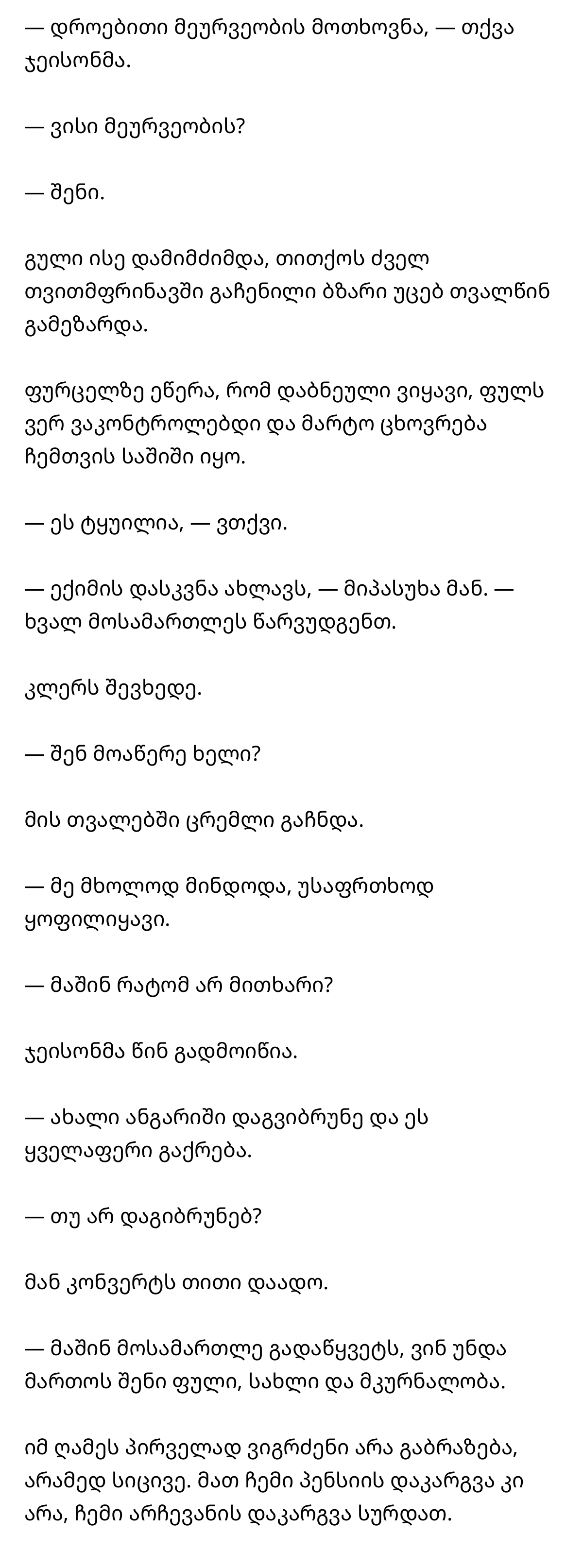
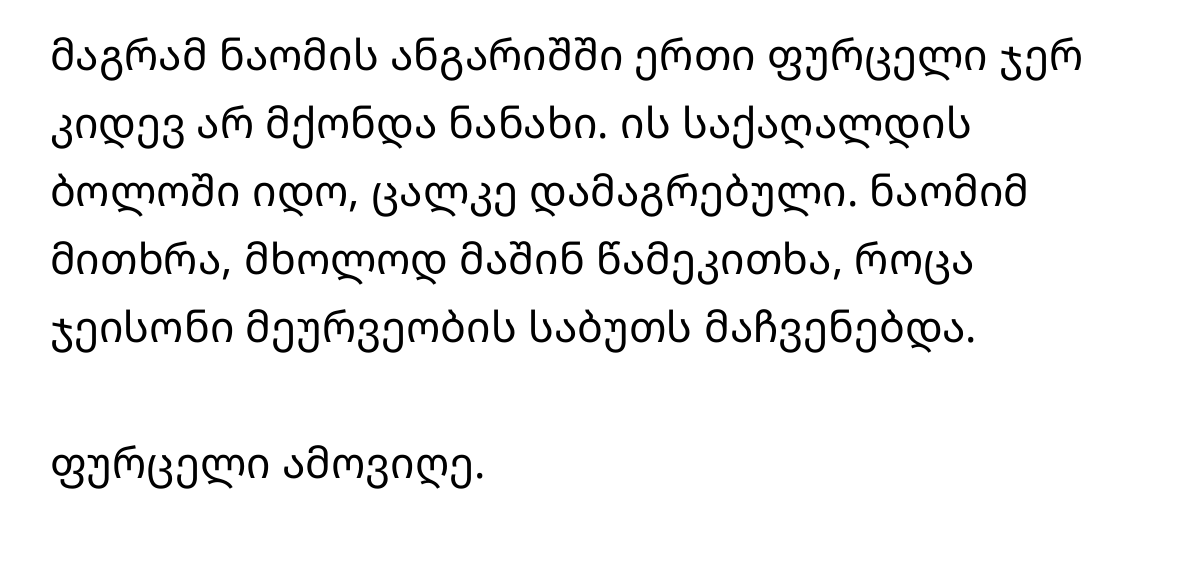

“A petition for temporary guardianship,” Jason said.
“Guardianship of whom?”
“You.”
My heart grew heavy, as though a crack in an old airplane had suddenly become enormous before my eyes.
The paper said that I was confused, could not control money, and that living alone was dangerous for me.
“That is a lie,” I said.
“A doctor’s report is attached,” he replied. “We will present it to the judge tomorrow.”
I looked at Claire.
“Did you sign it?”
Tears appeared in her eyes.
“I only wanted you to be safe.”
“Then why didn’t you tell me?”
Jason leaned forward.
“Give us back the new account and all this will disappear.”
“And if I don’t?”
He put a finger on the envelope.
“Then the judge will decide who should control your money, house, and medical care.”
That night, for the first time, I felt not anger but coldness. They did not want only to take my pension; they wanted to take away my choice.
But there was one sheet in Naomi’s report that I had not yet seen. It lay at the back of the folder, attached separately. Naomi had told me to read it only when Jason showed me the guardianship papers.
I pulled out the sheet.

Claire looked back.
“Dad, don’t open that…”
One name was written on the top line, and it drained the color from both their faces…
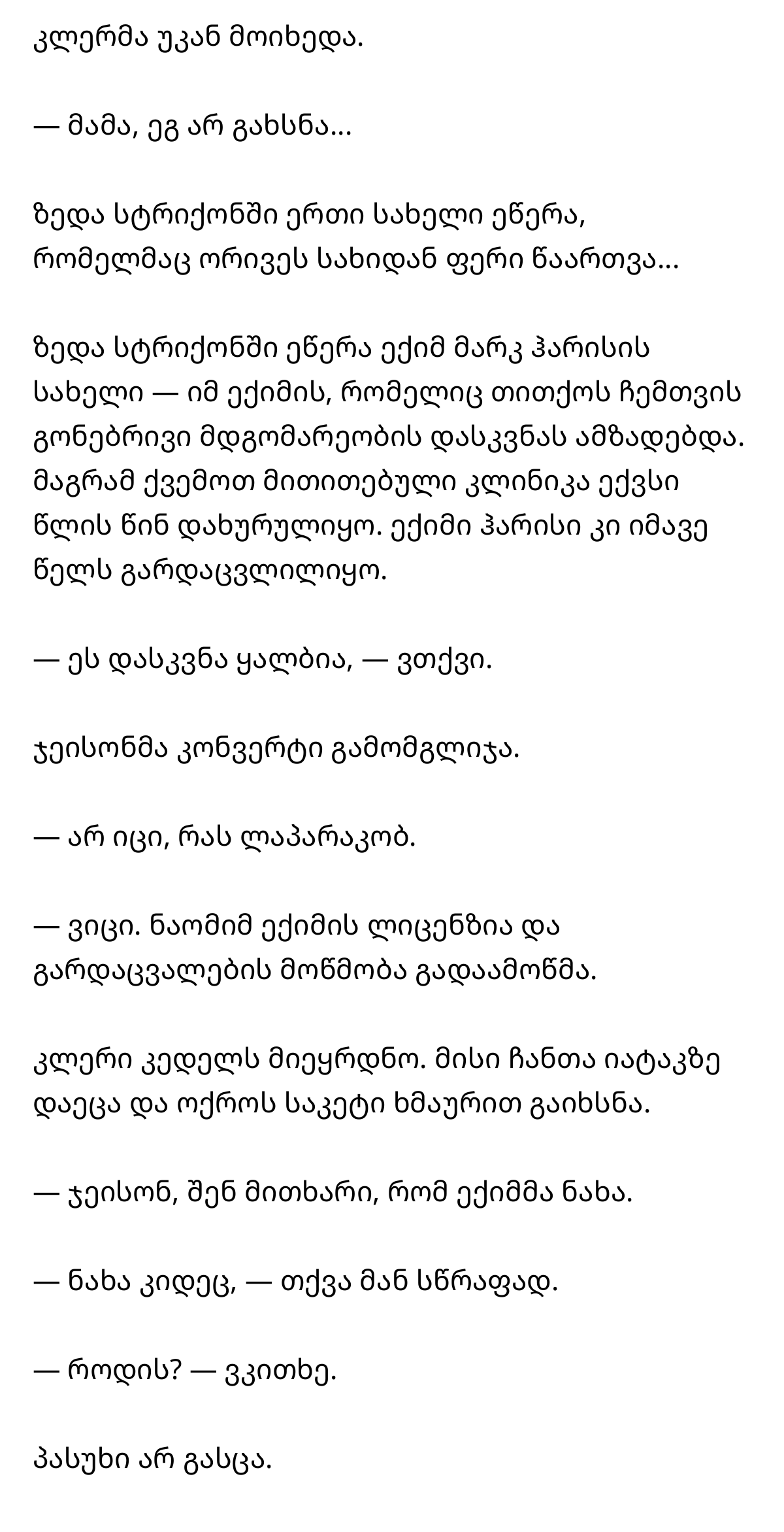
The top line contained the name of Dr. Mark Harris—the doctor who supposedly was preparing a report on my mental condition. But the clinic listed below had closed six years earlier. Dr. Harris had died that same year.
“This report is forged,” I said.
Jason snatched the envelope from me.
“You don’t know what you’re talking about.”
“I do. Naomi checked the doctor’s license and death certificate.”
Claire leaned against the wall. Her bag fell to the floor, and its golden clasp sprang open with a clatter.
“Jason, you told me the doctor had seen him.”
“He did,” he said quickly.
“When?” I asked.
He did not answer.
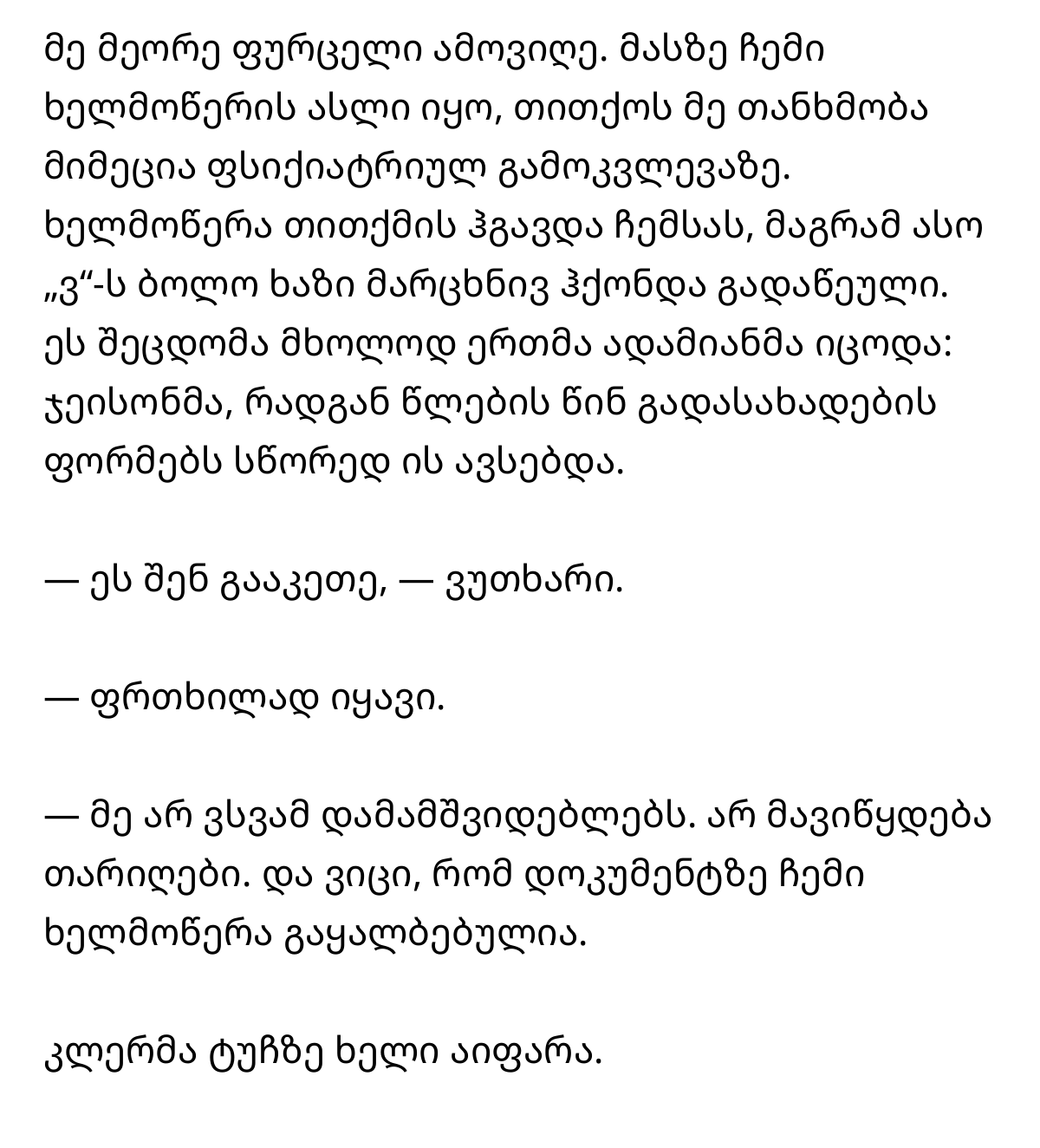
I pulled out the second sheet. It contained a copy of my signature, as though I had consented to a psychiatric examination. The signature almost looked like mine, but the final stroke of the letter “V” slanted to the left. Only one person knew that mistake: Jason, because years earlier he had filled out the tax forms himself.
“You did this,” I told him.
“Be careful.”
“I do not take sedatives. I do not forget dates. And I know that my signature on the document was forged.”
Claire covered her mouth with her hand.

“Tell me this was only for protection.”
Jason looked at her.
“You wanted to solve everything for Dad.”
“Is guardianship solving everything?”
“He can no longer manage money!”
“Then why did you buy a car with my account?” I asked.
A heavy silence settled over the room.
At that moment Naomi placed a phone on the table and started a recording. Jason’s voice was heard, recorded the previous week in a café near the bank.
“Once we have the guardianship order, we will transfer the property quickly. The old man will understand nothing. Claire will sign, and I will handle the rest.”
Claire closed her eyes.
“That is not my voice,” Jason said, but his voice was already fading.
“It is your voice,” I told him. “Word for word.”
Naomi added calmly:
“The recording was obtained legally. I also have bank statements, camera footage, and the vehicle showroom application bearing your signature.”
Jason pushed his chair back.
“You prepared all this in advance?”
“I simply checked what did not match.”
Claire came over to me.
“Dad, I did not know he intended to sell the house.”
“But you knew he was preparing the guardianship papers.”
She had no answer.
That same evening Naomi called me and said that the forged documents were enough evidence. I thought the most dangerous part was already over.
Then she added:
“Vernon, there is one thing you must know. Jason has an appointment with a notary first thing in the morning. He has another document in his hands, one we know nothing about…”
ჯეისონმა საკუთარი ხმა მოისმინა და გაჩუმდა…
მეგონა, სიმართლის აღმოჩენა საკმარისი იქნებოდა. მაგრამ შემდეგ არჩევანი ჩემზე დაბრუნდა და ყველაფერი სხვანაირად დასრულდა.
„მოხუცი ვერაფერს გაიგებს.“
და სახე ხელებში დამალა.
👇 ისტორიის ფინალი უკვე გახსნილია
Related posts:
 Part 4 — They blocked my pension card when I transferred the money to another account — Jason lost color when he heard the answer
 My husband told me that he was at work on Thursdays, but when I saw him in the hall, an unfamiliar woman immediately turned pale
 My ex-husband began humiliating me because of my pregnancy, but when I entered the hall, the smile suddenly disappeared from his face
 My Breakup Message Reached the Most Dangerous Man in the City, but When He Saw My Necklace, His Face Changed
 When my wife left for her ex, she told me to stay home and protect her lie — but at my answer she paled for the first time
 Mi exesposo convirtió una foto inocente en una amenaza, pero al ver quién aparecía en mi vieja maleta dejó de sonreír