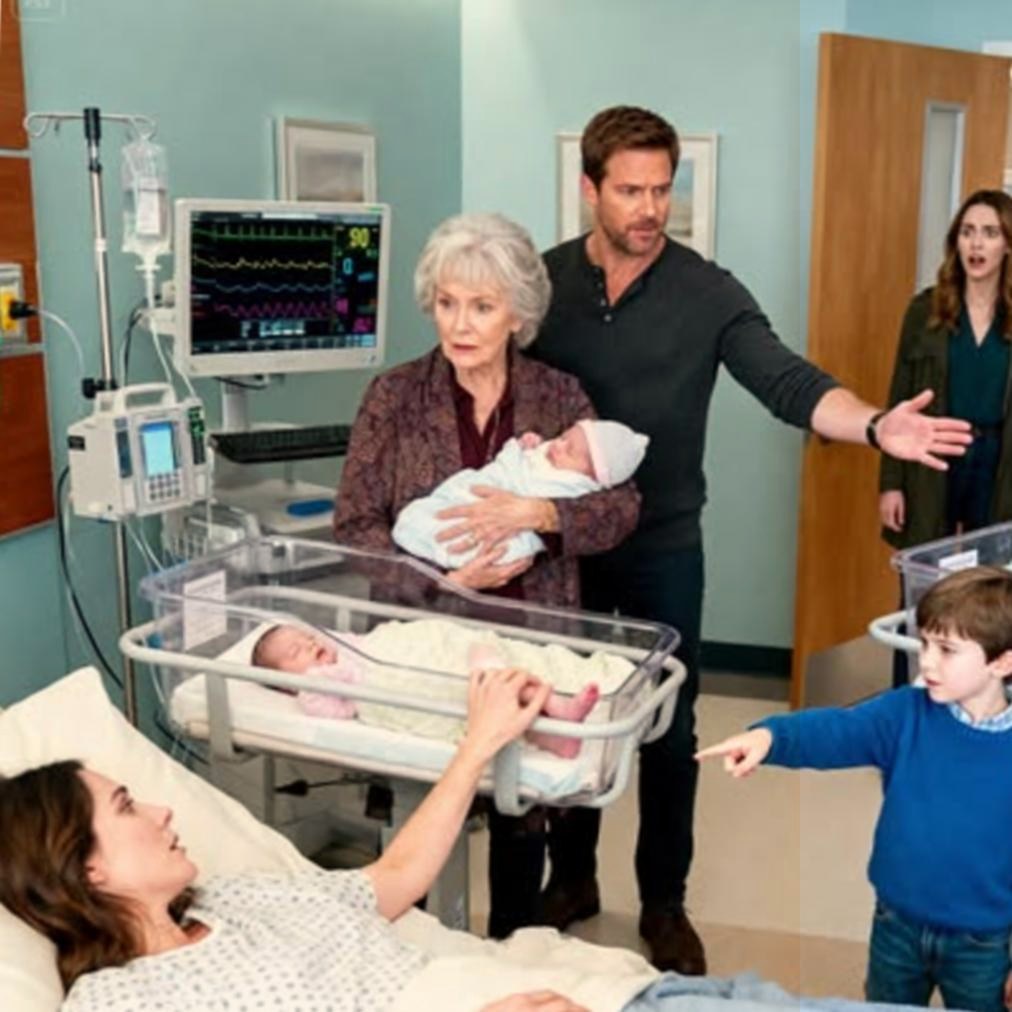

William’s voice could still be heard on the phone.
“Son, if you have your mother arrested, you will lose the house, the company, and everything.”
Beckett grabbed the chair standing in the corner of the room.
“Father, what are you saying?”
“That you have signatures on all the accounts together with your mother. If she becomes involved in the investigation, the bank will freeze everything.”
“You knew?”
The silence proved to be a sufficient answer.
I held Gemma more tightly. Her small breathing touched my neck as a warm spot.
The police officers entered. Celestine immediately changed her tone.
“This is a misunderstanding. I only wanted to help.”
“You opened the newborn’s security bracelet and tried to take her away,” one of the police officers told her.
“This concerns my grandchild.”
“No, ma’am. This concerns the child’s safety.”
Talia handed them the phone. Odessa wrote down her statement. The head of security saved the camera recording.
Celestine turned toward Beckett.
“Tell them it was a mistake.”
“Mother, I cannot.”
“You can. You are my son.”
For the first time Beckett did not step back.
“That is exactly why I understand how many things you taught me incorrectly.”

Celestine was taken away.
But her phone still remained in the room, which a police officer placed on the table. Beside it lay the small metal object with which she had opened the baby’s bracelet. It was silver-colored, shaped like a key, and a small red bead hung from its top.
I knew this object.
Celestine always hung it on her bag and said it was a “key of luck.”
Now it was supposed to help my child disappear.
In the evening the investigator moved me to a separate room. Beckett stood beside me, but for the first time I did not want to touch him.
“You need to know that the bank matter is true,” he said. “I entered the management of the family company together with my father. Mother prepared all the documents. When Talia’s infertility treatment failed, she said that three children in our family were ‘too many.’”
“What did you answer?”
Beckett lowered his head.
“I told her she was talking nonsense.”
“Only that?”
He could not answer me immediately.
“Several months ago she told me that if you could not manage three children, Talia could have temporary guardianship. I shouted at her. I thought it ended with that.”
“But she still contacted Darren.”
“And I did not check.”
His voice cracked.
The investigator called. Darren Holt was arrested on the road to the airport. In his bag were birth-registration forms, an application prepared in Talia’s name, and new keys to our house’s locks.
This last detail frightened me the most.
“Were they also planning to enter our house?”
“According to the records,” the investigator said, “the plan was this: while you were in the hospital, Talia would take one child. Then Celestine would say that you were exhausted and had given temporary consent. In a few days they would give everything an official appearance with documents.”

Talia began crying when she heard this.
“I would not have taken anything.”
“I know,” I told her.
She came closer to me, but stopped.
“You can hate me.”
“Not yet. Now I only want you to tell the truth completely.”
Talia nodded.
“Mother told me that if I refused, she would tell everyone that I was asking her for money for treatment and that I could not survive without her help. I was afraid. Then I learned that she had already prepared the changed birth record.”
Beckett closed his eyes.
That night I could not sleep in the hospital. All three girls lay beside me. Lennox breathed peacefully, Gemma moved her fingers, and Wren made a small sound every few minutes.
Callum stood beside my bed.
“Mother?”
“I am here.”
“Will they take Grandma to prison?”
For several seconds I searched for the right words.
“Maybe. But it is not your fault.”
“I only saw that the bracelet was open.”
“You protected my children.”
Callum laid his head on my arm.
“Then why isn’t Grandma happy that they are ours?”
I had no answer to this question.
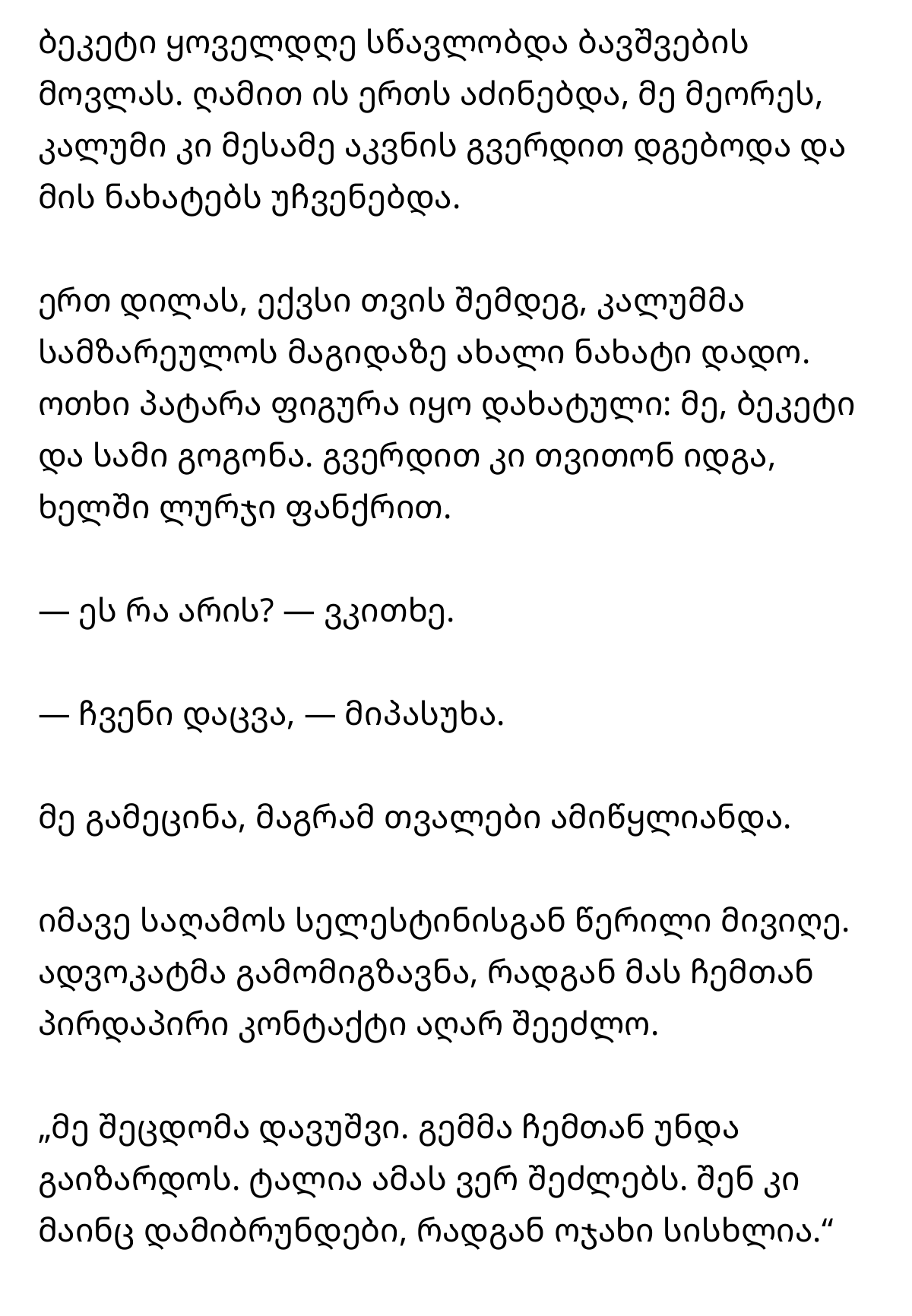

Several weeks later the court prohibited Celestine from approaching the children. Darren confessed to the crime. William temporarily lost all the company’s accounts because the investigation also uncovered financial fraud. It turned out that Celestine had been taking Talia’s treatment money from the family account for years and had been buying her silence with it.
Beckett told the lawyer that he would not return to the family company.
“We may lose everything,” he told me.
“Not everything,” I answered. “What is ours is still here.”
We temporarily sold our house because the locks were changed, cameras were installed, and the investigation found a new detail every day. We moved into a small apartment near the river. There were only two bedrooms there, and in the morning the sound of buses came through the kitchen window.
We had little space.
But for the first time we had peace.
Beckett learned to care for the children every day. At night he put one to sleep, I put the second to sleep, and Callum stood beside the third bassinet and showed her his drawings.
One morning, six months later, Callum placed a new drawing on the kitchen table. Four small figures were drawn: me, Beckett, and the three girls. Beside them stood he himself, with a blue pencil in his hand.
“What is this?” I asked.
“Our protection,” he answered.
I laughed, but my eyes filled with tears.
That same evening I received a letter from Celestine. The lawyer sent it to me because she could no longer contact me directly.
“I made a mistake. Gemma should grow up with me. Talia will not be able to do this. And you will still return to me, because family is blood.”
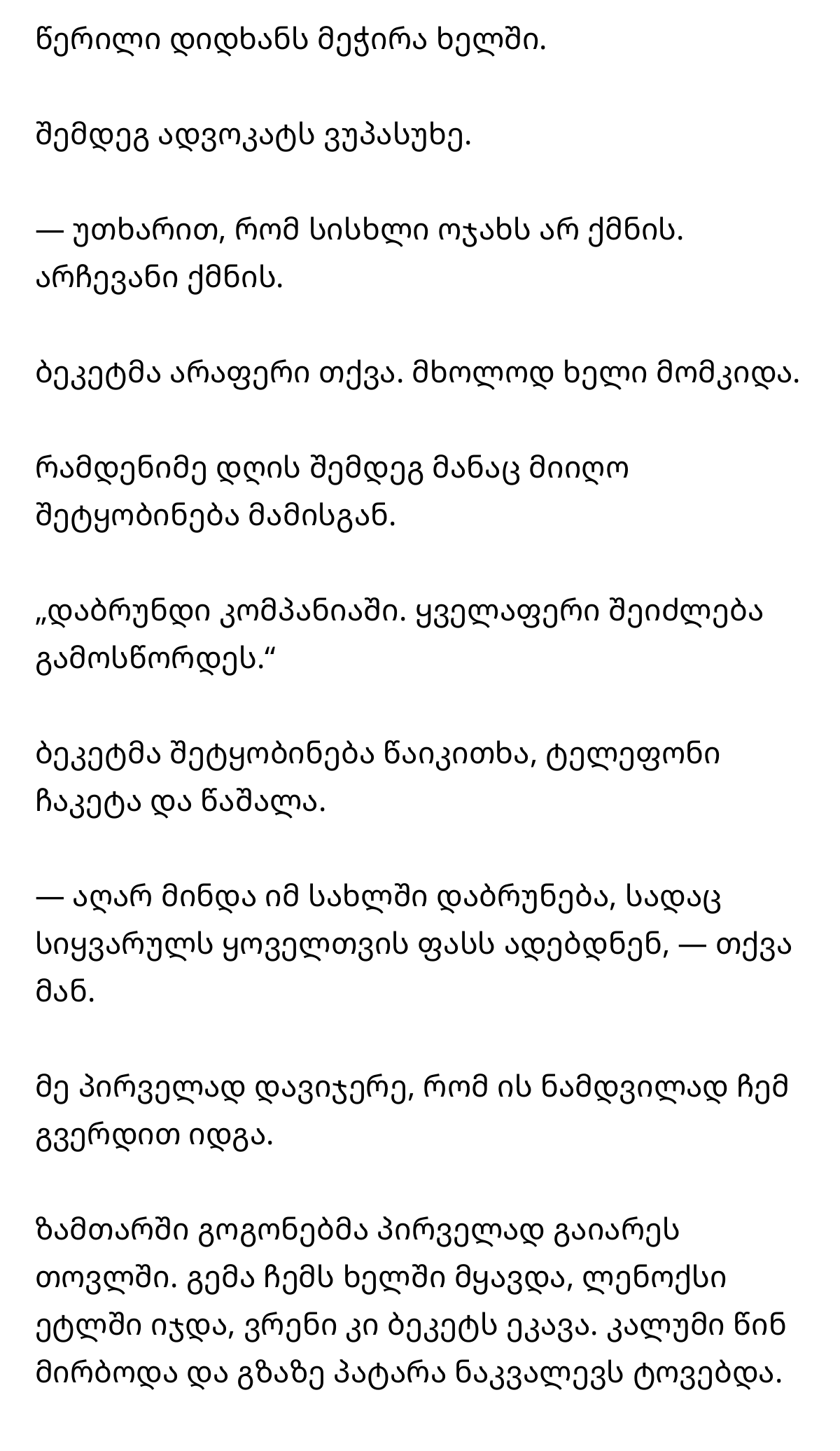
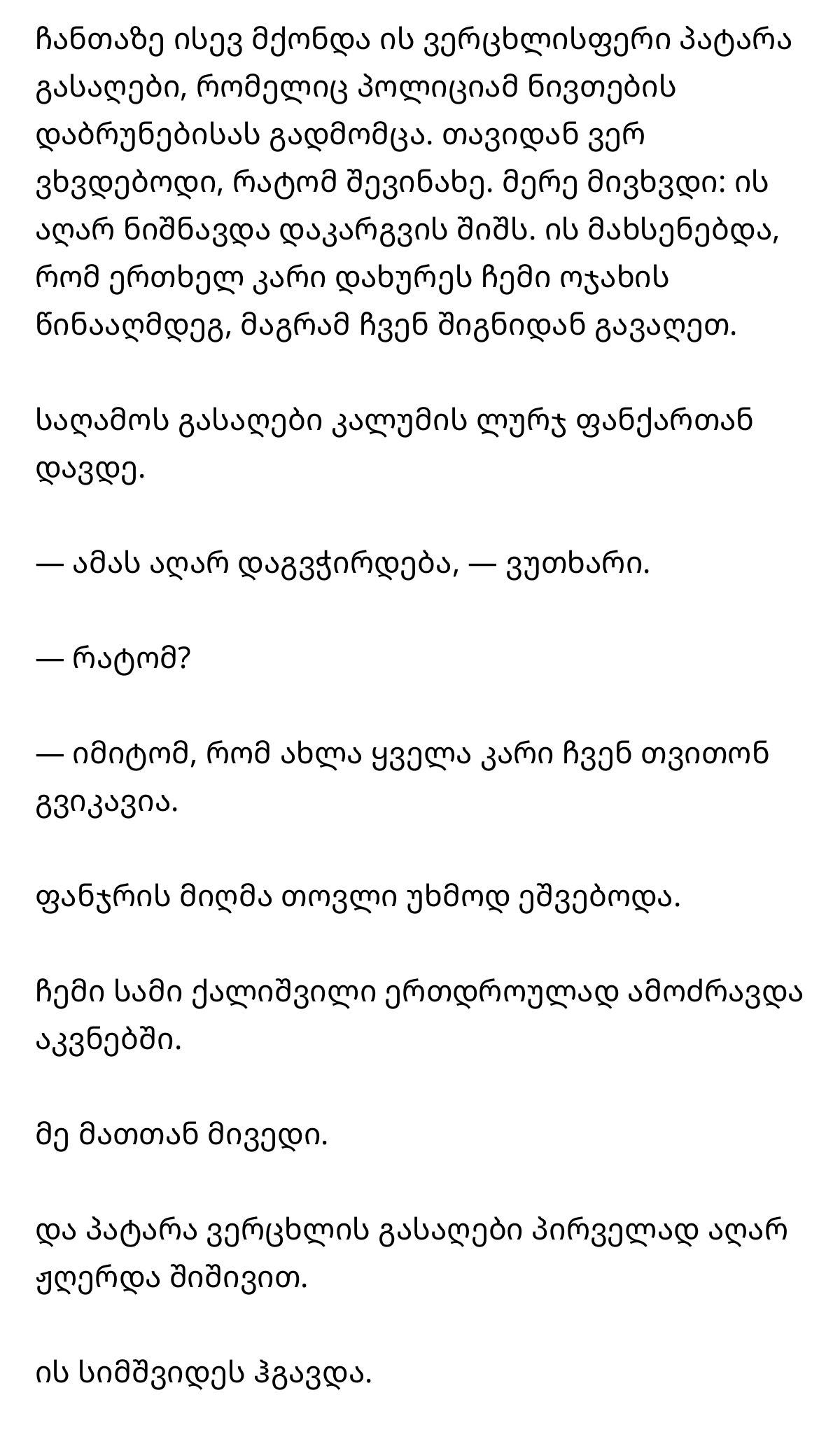

I held the letter in my hand for a long time.
Then I answered the lawyer.
“Tell her that blood does not create a family. Choice does.”
Beckett said nothing. He only took my hand.
Several days later he also received a message from his father.
“Return to the company. Everything can be repaired.”
Beckett read the message, locked the phone, and deleted it.
“I do not want to return to the house where love was always given a price,” he said.
For the first time I believed that he truly stood beside me.
In winter the girls walked in the snow for the first time. I held Gemma in my arms, Lennox sat in the stroller, and Wren was held by Beckett. Callum ran ahead and left small footprints on the road.
I still had that small silver key on my bag, the one the police had returned to me when they returned the belongings. At first I did not understand why I had kept it. Then I realized: it no longer meant the fear of loss. It reminded me that once a door had been closed against my family, but we had opened it from inside.
In the evening I placed the key beside Callum’s blue pencil.
“We will not need this anymore,” I said.
“Why?”
“Because now we hold every door ourselves.”
Outside the window, snow was falling silently.
My three daughters moved in their bassinets at the same time.
I went to them.
And for the first time the little silver key no longer sounded like fear.
It resembled peace.
Missed the beginning?
Related posts:
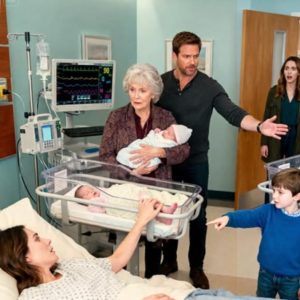 After the birth of three newborns, my mother-in-law took one of the babies, but her smile immediately disappeared at my son’s whisper
 Part 4 — I was filling out the discharge papers for seven-year-old Lark when I heard a whisper and her future stepmother suddenly stopped smiling
 On My Birthday, My Family Even Hid the Cake from Me, but My Father’s Face Changed at the Words of an Unknown Collector
 Part 4 — On My Birthday, My Family Even Hid the Cake from Me, but My Father’s Face Changed at the Words of an Unknown Collector
 I took my mother from the house, but when my brother opened her room with a duplicate key, the color drained from his face
 A Flat Tire Stopped Me at a Desert Diner, but When the Waitress Heard My Name, the Color Drained from Her Face