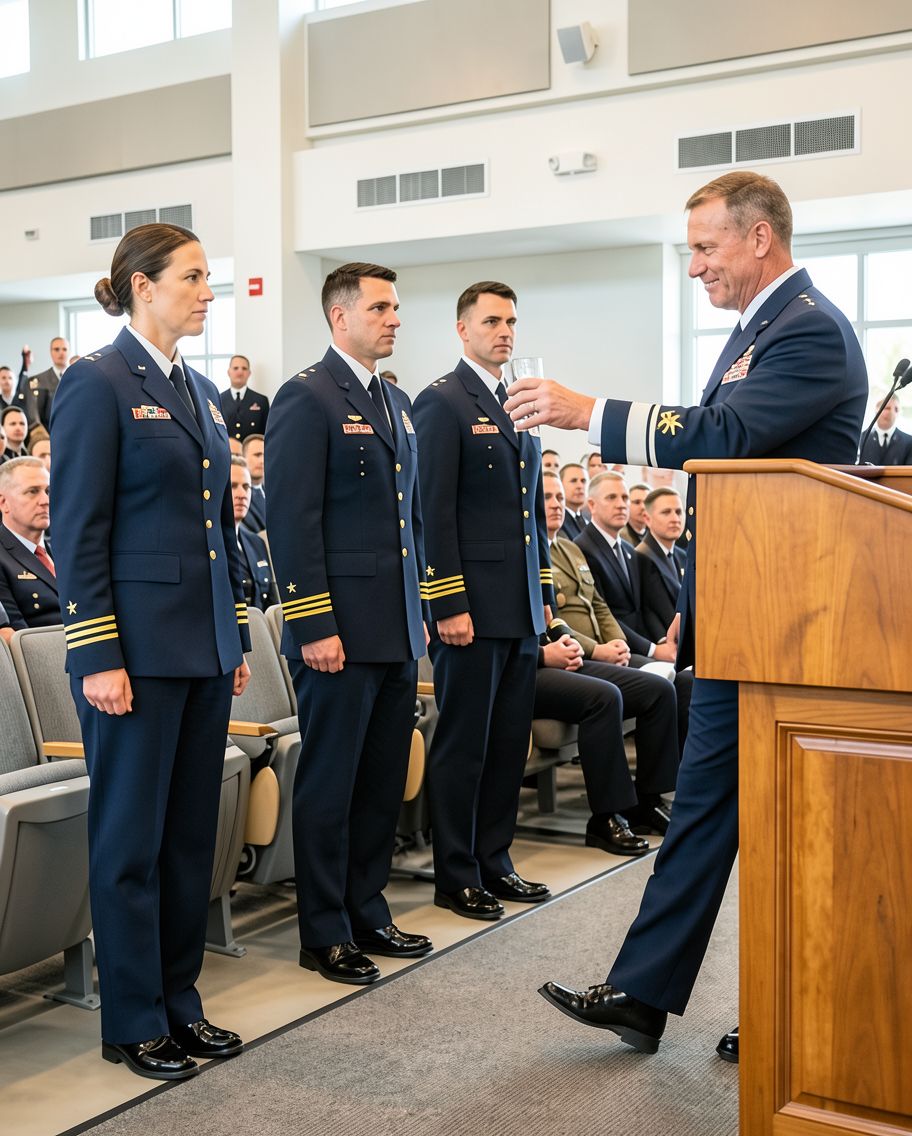
Admiral Mason Crowe mocked my call sign in front of the entire graduation auditorium, then asked why anyone would call me “Last.”
It was 7:42 p.m. in the Marine training center’s ceremonial hall, and the air smelled of polished wood, hot stage lights, and rain pressing against the tall windows. Nineteen operators sat in a perfect row beside me. My chair was the only one slightly separated from theirs.
Crowe stood behind the podium, one hand resting on a silver microphone. He had spent thirty days finding reasons to question me, but tonight his voice carried a smile that made the senior officers laugh before the joke was even finished.
“Commander Whitaker,” he said, “I’m told your team has given you a call sign.”
My fingers tightened around the edge of my program. A blue thread hung loose from its paper cover.
“Yes, Admiral.”
“And what is it?”
I looked straight ahead. “Last.”
The room stirred.
Crowe tilted his head. “Last?”
“Yes, sir.”
“Because you finish last?”
A few people laughed. Not the operators beside me. Their faces remained still, but I saw the man on my left touch the chipped black button on his sleeve—the one he had refused to replace since the first week of training.
Crowe leaned toward the microphone. “That seems less like a call sign and more like a warning.”
Heat climbed my neck. I refused to give it a name. Anger would have been easy. Shame was harder because it made me want to disappear.
Thirty days earlier, at 5:10 a.m. on the coastal training grounds, Crowe had handed me a blank roster and said, “You cannot force people to accept you, Commander.”
“I’m not trying to force anything.”
“Then stop acting surprised when the line beside your name stays empty.”
I had folded the roster and returned to work. I learned the team’s habits without asking for their approval. I reset oxygen tanks when everyone was exhausted. I took the wettest equipment. I listened when corrected. If somebody fell behind, I noticed.
That was how the name began, though I did not know it then.
At 11:26 a.m. on the sixth day, during a water evolution, one of the operators disappeared beneath a tangle of line. The order was to keep moving. I saw his bubbles stop.
“Whitaker, move!” someone shouted through the receiver.
I turned back.
The water swallowed me, cold enough to make my teeth ache. I found him by the strap caught around his tank, cut the line, and dragged him toward the surface while the rest of the team waited beyond the marker buoy.
When we emerged, Crowe was on the dock.
“You disobeyed a direct order.”
“He was trapped.”
“He was capable of clearing himself.”
“Eventually,” I said.
Crowe’s mouth hardened. “That word will get people killed.”
Maybe he was right. Maybe that was why I never asked what the men called me afterward.
Now, beneath the white lights, he tapped the podium with one finger.
“So tell me, Commander. Is Last supposed to be a compliment?”
I opened my mouth, but before I could answer, a chair scraped across the floor.
The operator from the water evolution rose in the second row, fastened his jacket, and walked toward the microphone…
PART 2
The operator from the water evolution rose in the second row, fastened his jacket, and walked toward the microphone. His name was Caleb Rourke, though most of us called him Rourke when rank was out of earshot. The silver buckle on his left boot was scratched from that morning’s exercise.
Admiral Crowe watched him approach as if deciding whether to stop a threat or a nuisance.
“Back to your seat,” Crowe said.
Rourke stopped two paces from the stage. “Permission to clarify, Admiral?”
The hall went quiet. Even the rain seemed to retreat from the windows.
Crowe’s jaw shifted. “You have the floor.”
Rourke lifted the microphone. “Does a call sign matter because headquarters approves it, or because the people beside an operator actually use it?”
Crowe frowned. “Call signs are informal. They develop within teams.”
“So headquarters doesn’t decide what they mean.”
“No.”
Rourke extended the microphone. “Then Commander Whitaker already answered you.”
Crowe took it slowly. The mood changed. A moment earlier, I had been the woman being mocked. Now the room was waiting to see whether the admiral could explain why he had mocked something he admitted did not belong to him.
Crowe turned toward Rourke. “You were the one she stayed behind for.”
“Yes, sir.”
“You received an order to continue the evolution?”
“Yes, sir.”
“And she ignored it?”
Rourke glanced at me, then faced Crowe again. “She ignored one part of it.”
A general near the aisle lowered his folded program.
Crowe stepped away from the podium. “You were capable of freeing yourself.”
“Eventually.”
“That is not the same as needing rescue.”
“No, sir.”
“Then why turn this into a heroic story?”
Rourke’s voice never rose. “Because I was the last man in the water, and nobody was watching my back.”
My chest tightened. I had spent the entire month believing I had made a dangerous decision alone. I had never considered that Rourke remembered the exact shape of it.
Crowe looked at me. “Why did you stay?”
“Because I could see him.”
“That wasn’t my question.”
“It is my answer.”
Someone in the rear shifted. A chair leg squealed against the floor.
Crowe’s eyes narrowed. “You chose personal loyalty over the mission.”
“The mission was to complete the evolution as a team.”
“And you decided that by yourself.”
“Yes, sir.”
“Convenient.”
“No, Admiral. Necessary.”
For the first time, his smile disappeared completely.
He turned toward the row of operators. “And from one incident, you invented a sentimental nickname?”
Rourke shook his head. “That was only the first time we noticed the pattern.”
Another operator stood. Then a third. Their chairs scraped the polished floor like distant gunfire.
Crowe raised one hand. “Sit down.”
Nobody moved.
The second operator spoke from the aisle. “She checked the rear before crossing the next clearance.”
“Night route too,” said another.
“Equipment recovery,” added a third.
Crowe’s fingers tightened around the microphone. “Enough.”
The operators remained standing.
I looked at them, and an ache opened beneath my ribs. I had not asked them to defend me. I had deliberately avoided giving them a reason to choose between me and an admiral. But they had chosen anyway.
Crowe faced me again. “Did you know they called you Last?”
I hesitated. “I heard it twice.”
“And you never asked what it meant?”
“No, sir.”
“Why?”
I looked down the line of men who had shared freezing water, sleepless nights, and silent corrections with me.
“Because if it meant something, they would tell me when they were ready.”
Rourke’s expression softened.
Crowe set his glass beside the podium and leaned forward. “Then perhaps they should tell you now.”
He turned to the row. “What exactly does Last mean?”
Rourke looked at the other eighteen men. One by one, they nodded. Then he faced the admiral and spoke the words that made every senior officer in the hall stop breathing…
PART 3
“We don’t call her Last because she can’t keep up,” Rourke said. “We call her Last because nobody behind her gets forgotten.”
No one moved. The sentence hung beneath the stage lights, heavier than any order Crowe had given that evening. I stared at the scratched buckle on Rourke’s boot because looking at the men beside him would have broken the control I had spent years building.
Crowe recovered first. “That sounds impressive in an auditorium.”
Rourke did not blink. “It was impressive underwater, sir.”
A restrained murmur passed through the guests.
Crowe turned to me. “A nickname does not establish competence.”
“No, sir.”
“It does not replace standards.”
“No, sir.”
“It does not excuse questionable judgment.”
“No, sir.”
He stepped closer. The gold braid on his sleeve caught the light. “Then what does this prove, Commander?”
For thirty days, I had imagined answering that question. I could have listed every time he singled me out, every correction delivered with a smile, every moment he treated my caution as weakness. I could have used the room against him.
Instead, I said, “It proves they answered the question you asked.”
Crowe’s face hardened. He could challenge me, but I had completed the course. He could challenge the call sign, but he had already admitted that teams gave them meaning. He could challenge the operators, but that meant insulting nineteen men who had earned their places in front of foreign attachés, generals, and their families.
So he made one final mistake.
“I find it interesting,” he said, “that this group celebrates the officer who insists on being last. In the field, people who fall behind become liabilities.”
Rourke stepped forward. “She wasn’t behind us, sir.”
Crowe looked at him.
“She was behind me.”
The difference struck the room at once.
Rourke turned toward the team. “When I was tangled, she came back. When equipment went missing, she checked the rear. When somebody was exhausted, she noticed before they asked. Last doesn’t mean left behind.”
He looked at me. “It means she makes sure everyone else gets home.”
My eyes burned. I blinked once, hard, but a tear still escaped and slid beneath my cheekbone. Crowe had not managed that with his insults. The truth did it effortlessly.
A senior Navy officer rose from the aisle. “Admiral, I believe the question has been answered. Let’s finish their graduation.”
Crowe stood motionless, then placed the microphone on the podium and stepped aside.
The ceremony coordinator returned. Names were called. Certificates changed hands. When mine was announced, I crossed the stage beneath applause that sounded nothing like pity.
Afterward, at 8:31 p.m., the operators gathered their folders near the exit. Crowe approached me with the ceremonial roster in his hand. The call-sign line beside my name was still blank.
“After all this,” he said, “you want to leave it empty?”
“Yes, Admiral.”
“Why?”
I glanced toward the nineteen men waiting by the doors. “Because they didn’t give it to the roster.”
For once, Crowe had no answer.
Rourke called from the hallway, “Coming, Last?”
I picked up my folder. “Go ahead.”
He hesitated. “We’ll wait.”
I pointed toward the rain-dark doorway. “I said go.”
He grinned and joined the others.
I watched them leave one by one. Nineteen. All clear.
Only then did I walk out last, carrying a blank roster and the name that finally felt like home.
Related posts:
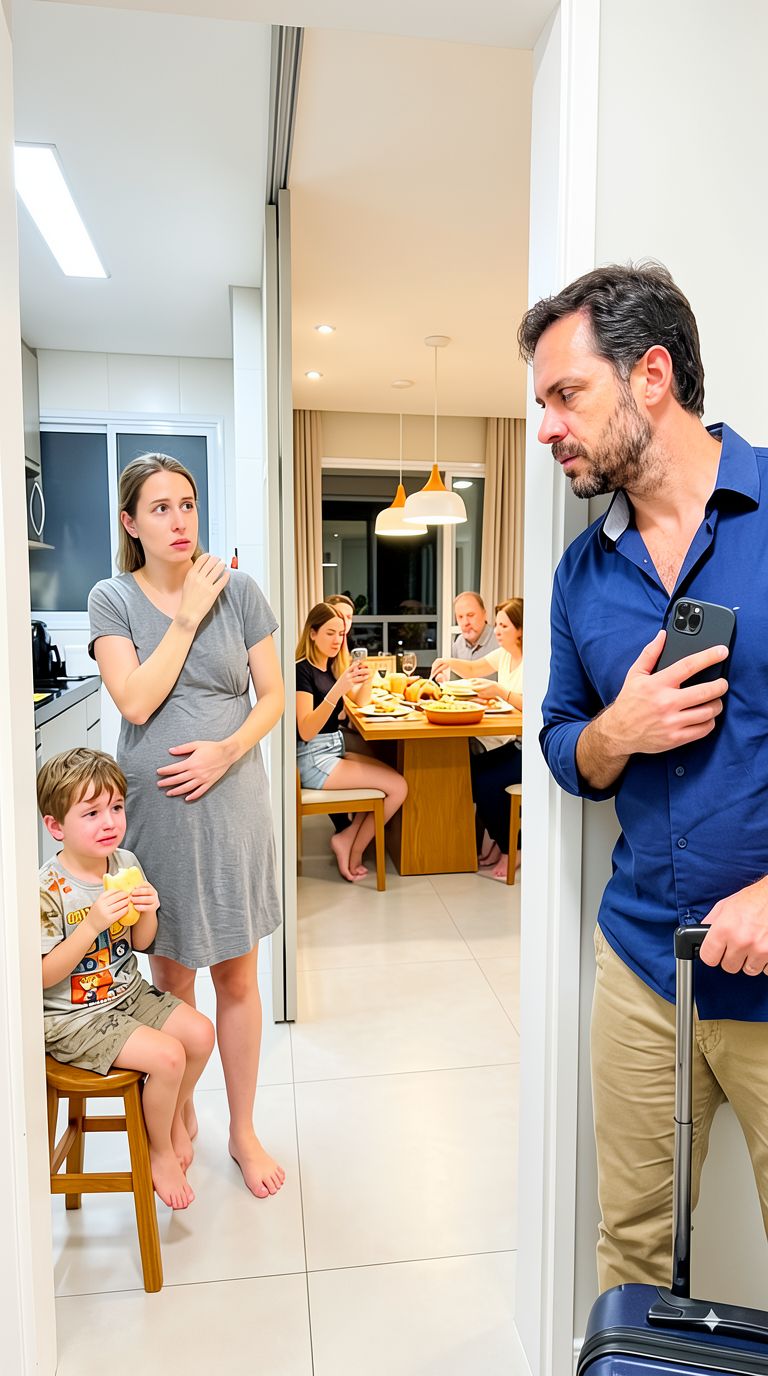 I Came Home Early and Found My Pregnant Wife Eating Scraps—Then My Sister’s Smile Vanished
 I was ordered to feed the city’s most feared man, but when he tasted my burnt garlic, his expression suddenly changed
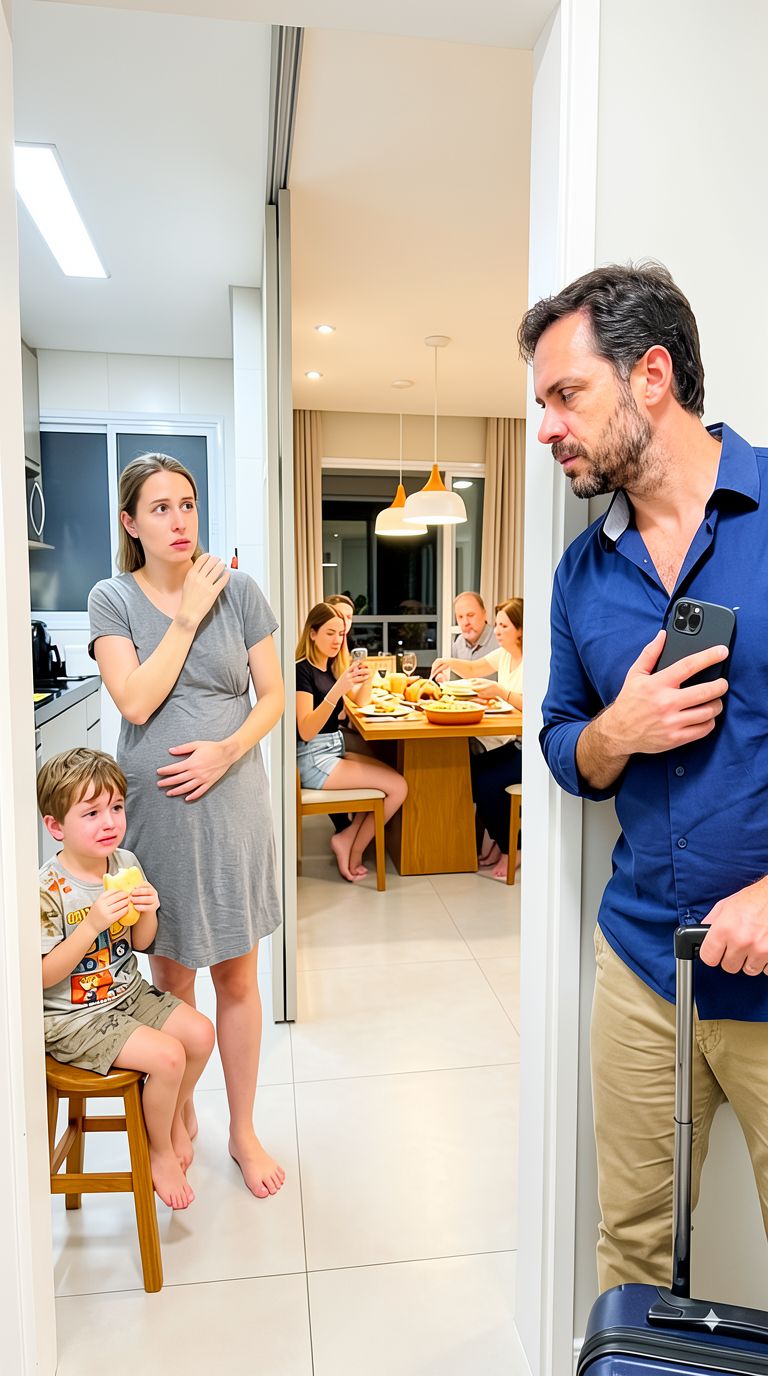 PART 4 — I Came Home Early and Found My Pregnant Wife Eating Scraps—Then My Sister’s Smile Vanished
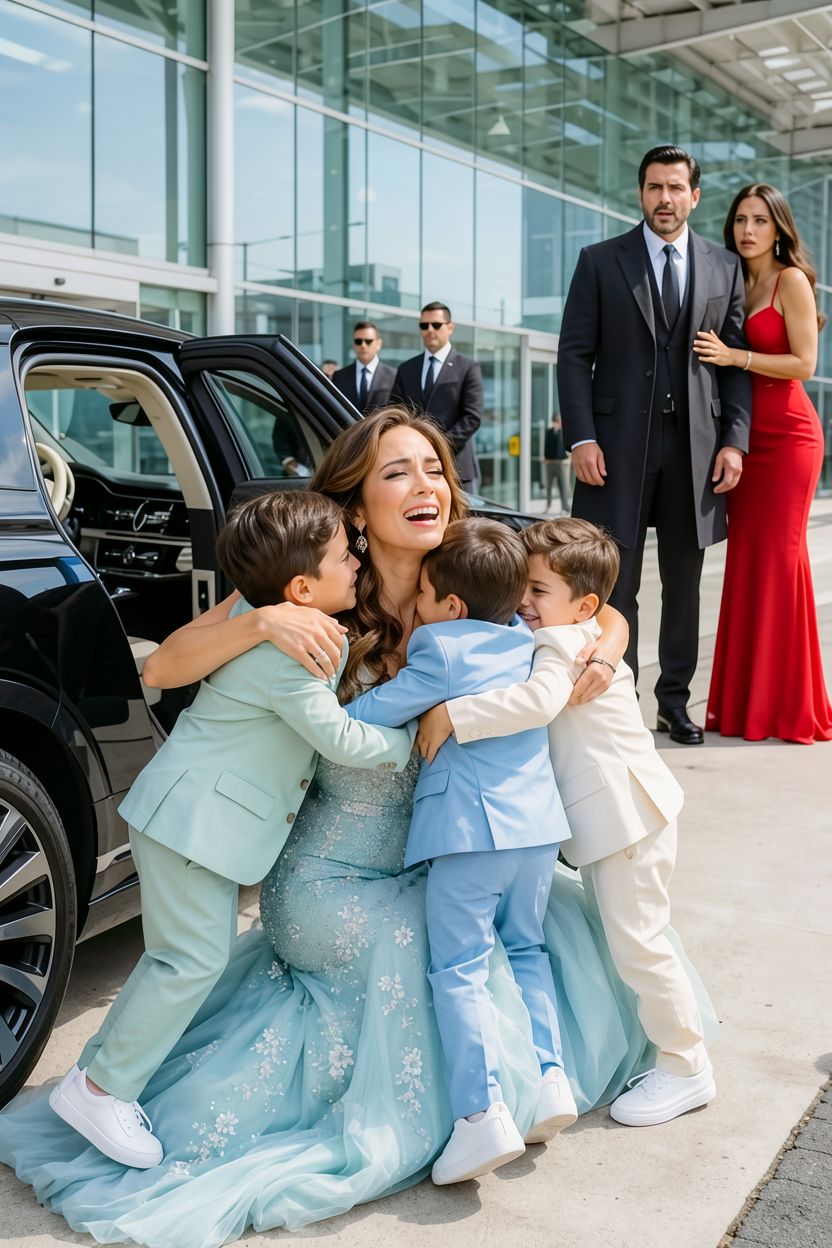 My ex-husband sat beside me to mock my ruined life, but at the airport three children ran toward me and his smile vanished
 My Three-Year-Old Daughter Asked New York’s Most Feared Man to Hold Her Hand, and the Sealed Medical File He Had Hidden for Years Exposed the Truth About Why He Stayed Away
 My husband demanded access to my new paycheck after his mother’s card was declined, but then his confident smile vanished