

That morning the workshop door opened and a woman entered who had so much oil under her fingernails, as if she had dismantled an engine with her hands on the way. She held a folded résumé in her hand, her hair was roughly tied at the nape, and the right knee of her coveralls looked freshly scraped.
And at that moment I was looking at three months of unpaid bills, the phone was ringing incessantly, and the cold coffee on the table tasted as if I had opened iron in my mouth.
“Does Beckett Hollis work here?” the woman asked.
“If you are not another creditor, then I probably am,” I answered.
She did not smile.
“Do you have a vacancy?”
I looked at her hands, then at my chaotic table, and, for some reason, chose the worst joke.
“To tell you the truth, more than an employee, I need a wife. Someone to remind me to eat lunch and pay the bills.”
Only the ticking of the old clock remained in the workshop.
The woman slowly put the résumé on the counter.
“Interesting answer for a job applicant.”
“It was a joke.”
“I walked forty minutes to give you my résumé. It says there that I have been assembling engines since I was sixteen. And you told me that you needed a wife.”
There was neither shouting nor tears in her voice. That was exactly why I felt more guilty.
“I have not even read your résumé yet,” I said, and immediately realized that this was an even worse answer.
“Then read it.”

She pushed the paper toward me. At the bottom it said: June Puiti. Twenty-nine years old. Engine rebuilding, transmissions, electrical diagnostics. Six years in her father’s workshop and then four years in a large repair center.
At the end of the list were several car models whose engines I myself often spent an entire day repairing.
“Why did you leave your previous job?” I asked.
“The owner said that a woman’s hands were not suitable for hard work.”
“And you?”
“I repaired his most expensive truck. Then I left.”
She said the answer so calmly that I believed her.
At that same moment, a strange rasp came from the rear bay. The client’s old sedan shook when starting as if the engine were striking a wall from inside.
“Can you inspect this?” I asked.
June looked at the clock.
“The interview is not finished yet.”
“Now there will be a practical part.”
She opened a small canvas bag. From it she took a short steel ruler, on whose handle a little swallow was painted with yellow enamel.
“I got this from my father,” she told me when she noticed my look. “He says that as long as the swallow is not scraped off, the tool will not lose its owner.”
She raised the hood, bent her head toward the engine, and listened silently for several seconds.
“The timing mechanism is out of alignment,” she said.
“That quickly?”
“The engine is telling you loudly.”
Ninety seconds had not even passed when she found the cause. And I realized that I wanted to hire her before I could explain this decision to myself.
“Start on Monday,” I told her.
“Do you still need a wife, or an employee?”
This time I blushed.
“A good employee.”
“Then I will come on Monday.”

Five weeks later June stood in front of a transmission, with a stripe of black oil on her cheek, and I was already noticing how the workshop was changing because of her presence. She did not deceive clients, returned tools to their places, and at noon put a sandwich on my table as if it were an official part of her job.
One evening, when rain beat against the windows outside, June took her hand out of the engine and said to me:
“Beckett, you want to tell me something.”
My heart contracted.
“What do you mean?”
“For five weeks you have been looking at me as if you are waiting for an answer.”
I walked toward her. The tool with the swallow gleamed in her hand.
“June, I… have to tell you what I feel.”
She raised her face, but before I finished the words, the sound of heavy steps came from the workshop’s rear door and someone locked the lock from inside…
The lock clicked briefly, and that sound froze my whole body. The rear door led to the workshop yard; only June, my uncle Martin Hollis, and I had keys to it.
“Who is there?” I shouted.
In response, a white envelope slid from under the door.
June put her hand on my arm.
“Do not touch it.”
“It may just be a warning.”
“That is exactly why you should not touch it.”
Her voice no longer resembled the voice of the woman who had asked for work on the first day. She was alert, tense, and ready, as if she had been expecting this for a long time.

The lock suddenly opened. The door opened onto an empty yard. The rain left white steam on the asphalt, but no one was standing there.
The envelope remained on the floor.
Only my name was written on it.
“Let’s call the police,” I said.
“Not yet.”
“Why?”
June did not touch the envelope.
“Because if this is what I think it is, before the police we need to know whom we are facing.”
“You already know?”
She looked away.
“I know some things. Not everything.”
That night I closed the workshop early. I picked up the envelope with gloves and took it into my office. June stood beside the door; she had a small cut on her left hand that I had not noticed before.
“Will you tell me now what is happening?” I asked.
“First you must tell me what my father was doing with your father.”
My heart struck hard once.
“You mean Thomas Puiti?”
“I had no other father.”
After my father’s death I never wanted to remember those years. Everyone thought Thomas Puiti was simply his partner, who left the business and moved to another city. My father always said the same thing on this subject: “Some men leave their failure on someone else’s shoulders.”
“They worked together,” I told her. “Then they quarreled.”
“Over what?”
“I don’t know.”

June smiled bitterly.
“Were none of your father’s old tools left in your house?”
“Several boxes are in the basement.”
“And documents?”
“I emptied my father’s office years ago.”
At that moment the envelope on the table seemed to become heavier.
I took a small cutter, but June grabbed my wrist.
“Careful.”
“We have already come this far.”
I opened the envelope. Inside were only a copy of an old key and an address written by hand. The address belonged to a warehouse on the outskirts of the city, which had been mentioned in the old documents of my workshop.
Below was written one sentence: “If you found this, it means Martin has already begun.”
“What has Martin begun?” I asked.
June lowered her eyes.
“Taking the workshop away.”
The next morning the bank called me. The woman politely told me that the deadline for my loan had suddenly been changed and that if I could not pay the amount within four days, they would seize the building.
“I did not sign such a change,” I told her.
“In our system your signature confirmed the change, Mr. Hollis.”
My signature was in the system. But I had not signed it.

When June heard the conversation, she told me:
“Exactly the same thing happened in my father’s workshop.”
“What are you saying?”
“He signed a document whose existence he did not know about. One month later everything was taken from him.”
That same evening we went to the warehouse. Behind the iron door stood the smell of dust and burnt rubber. June slid the key into the lock. The door opened, and old car parts, wooden boxes, and dusty shelves appeared inside.
In one corner stood a small table. A dark-blue work apron was folded on it. June recognized it immediately.
“It belonged to my father.”
From the apron’s pocket she took a round metal medallion. Two letters were engraved on it: T.H.
“These are my father’s and your father’s marks,” she said.
We found a wooden box hidden beneath the table. A mark of a new lock was visible on the lid, as if someone had tried to open it recently.
June looked toward me.
“If what I think is in the box, you will have to rethink everything about your father.”
I looked at the lock. Just then the screech of tires sounded outside, headlights lit the warehouse walls, and someone called me on the phone.
“Beckett,” Martin’s voice sounded, “June Puiti should have kept away from me. Now it is already too late. If you open the box, both of you will lose everything…”

After Martin’s voice disappeared, only the sound of raindrops remained in the warehouse. June knelt beside the box and put her fingers on the lock.
“He never lied so calmly,” she said.
“Who?”
“My father. When he was afraid, he said the truth too quickly.”
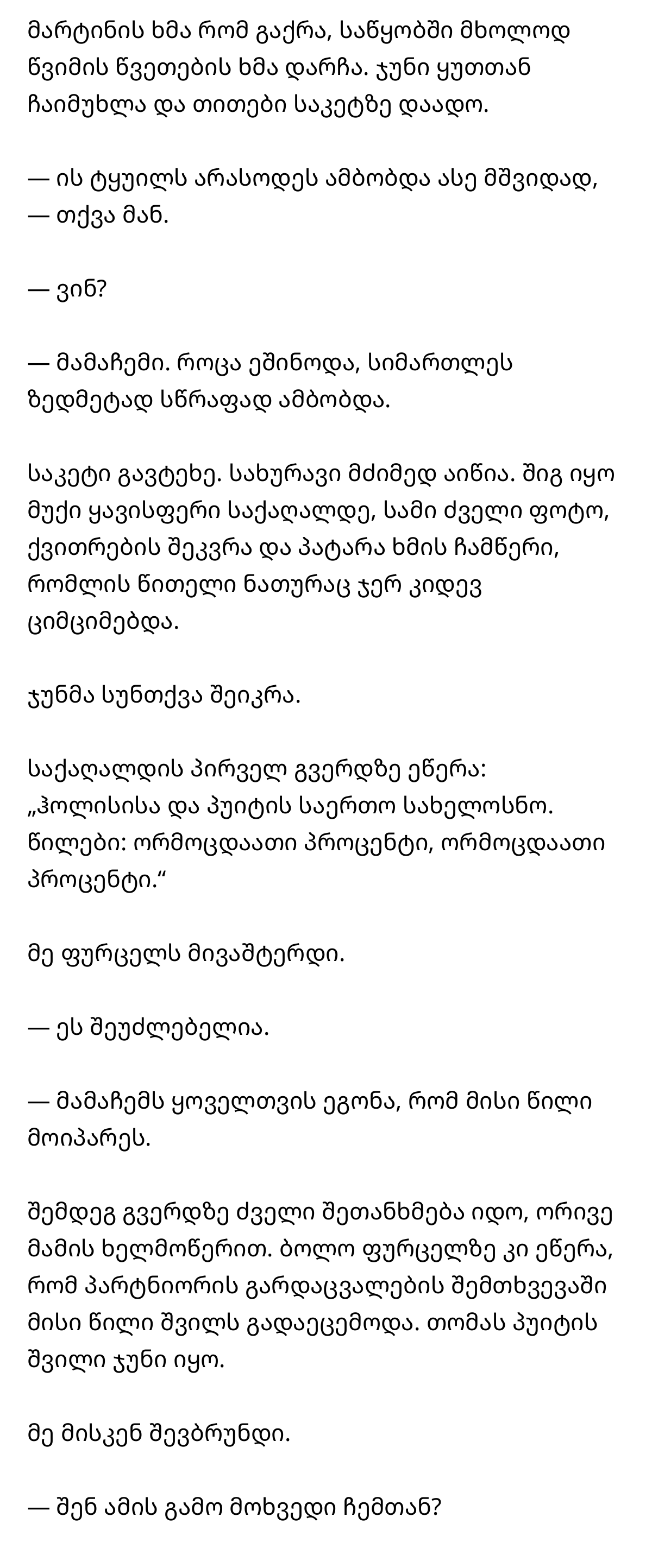
I broke the lock. The lid rose heavily. Inside were a dark-brown folder, three old photographs, a bundle of receipts, and a small voice recorder whose red light was still blinking.
June held her breath.
The first page of the folder said: “Joint workshop of Hollis and Puiti. Shares: fifty percent, fifty percent.”
I stared at the paper.
“This is impossible.”
“My father always thought his share had been stolen.”
On the next page lay an old agreement with both fathers’ signatures. On the last page it said that, in the event of a partner’s death, his share would pass to his child. Thomas Puiti’s child was June.
I turned toward her.
“Did you come to me because of this?”
June lowered her eyes but did not step back.
“At first, yes. I knew that your father’s workshop had also been built with our family’s money. I thought you knew too and simply held an inherited lie in your hands.”
“But I did not know.”
“Now you know.”

I pressed the voice recorder’s button. First there was noise, then my father’s voice. He was younger than I remembered.
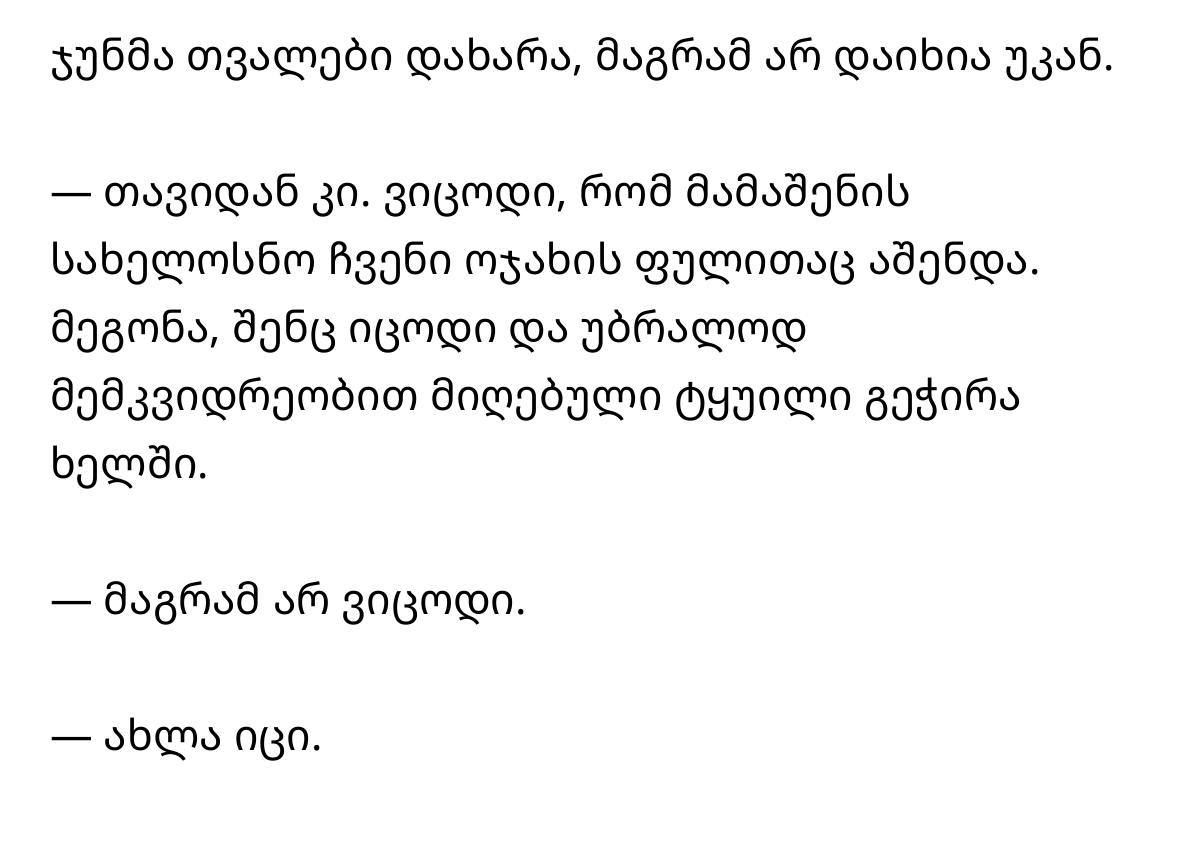
“Thomas, Martin changed the documents. I did not sign over the share. If I admit this, the bank will take everything from us. I cannot involve Beckett. He is still a child.”
Then Thomas Puiti’s voice sounded.
“You said it would be fixed.”
My father answered:
“Martin told me yesterday that if I go to the police, he will destroy Beckett. I thought I had bought time.”
In the recording came the sound of a chair being pulled, then Martin’s clear, cold voice.
“You have no time left, Harrison. Either you sign, or I will cause your son the problems he will remember all his life.”
The recording stopped.
I leaned against the wall. The father whom I had thought indifferent and stubborn had apparently lived in fear during his final years. June was silently crying, although she did not wipe away the tears.
“Your father was not a traitor,” I told her.
“I know,” she answered. “Now I know for the first time.”
At that same moment the phone rang.
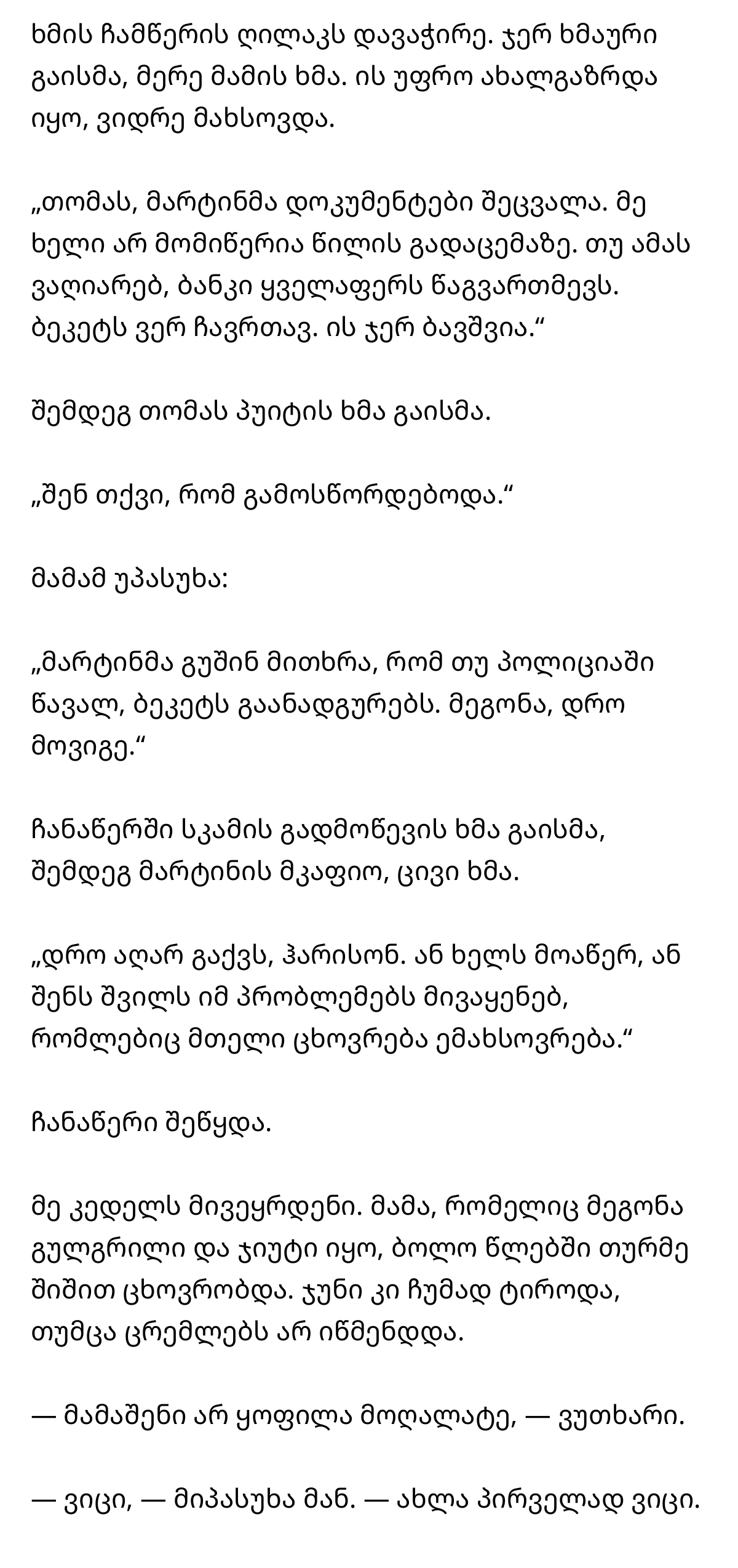
“Mr. Hollis, I am attorney Elene Mardi. Did you find my surname in your father’s old folder?”
“Who are you?”
“A person whom Harrison Hollis asked twenty-two years ago to protect the documents. I thought this case would never return.”
June took one step back from me.
“What do you mean?”
Elene was silent for several seconds.
“Your father also had a second will, Mr. Hollis. It says that if the truth were proven, your share of the workshop was to be frozen temporarily and half of the property transferred to June Puiti. But this is only the beginning.”
“What else is there?”
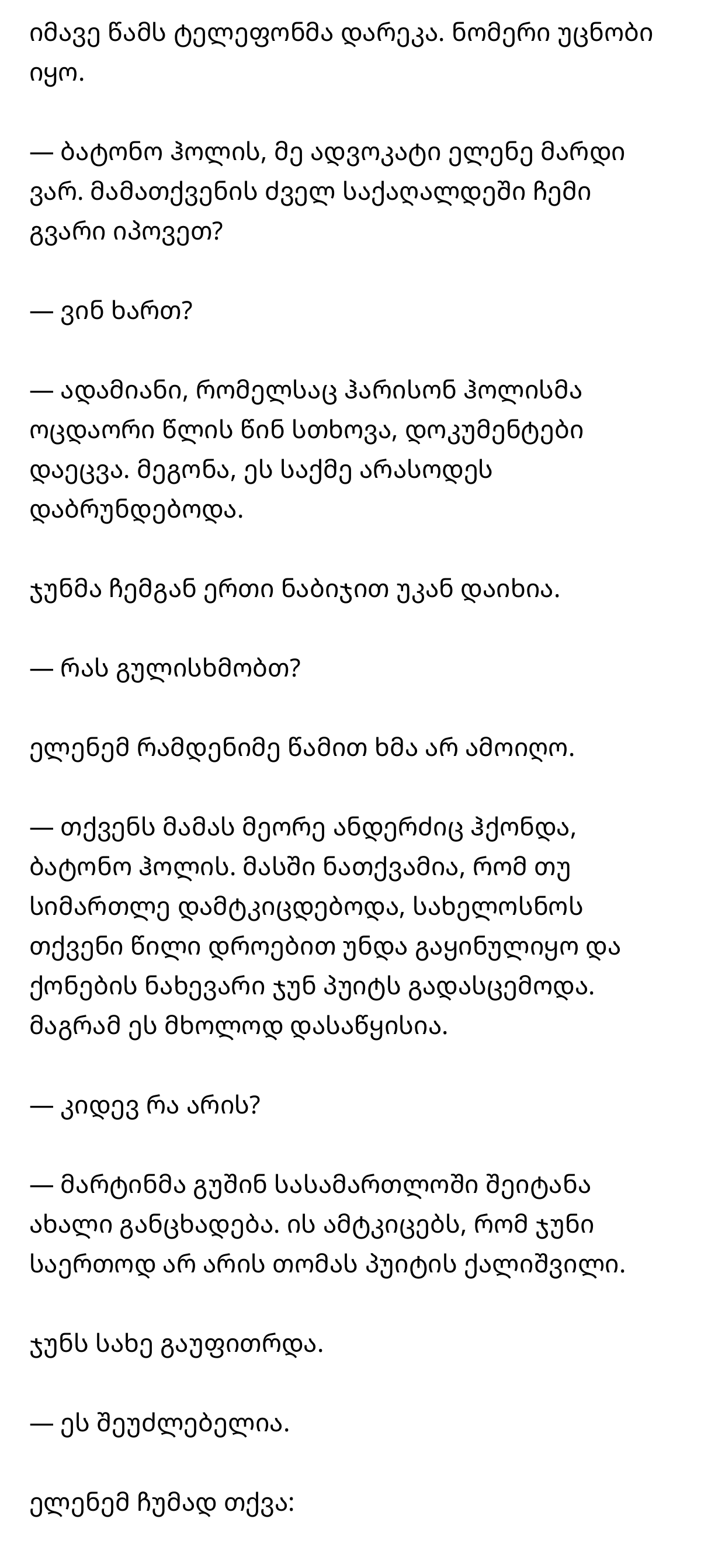
“Martin filed a new statement in court yesterday. He claims that June is not Thomas Puiti’s daughter at all.”
June’s face went pale.
“That is impossible.”
Elene said quietly:
“That is why I sent you the laboratory’s address. The sample taken from your father’s belongings and June’s sample have already been compared. We received the answer this morning.”
I looked at June. All night I had thought that we had already uncovered the greatest betrayal.
But Elene said the following words:
“June Puiti is Thomas’s daughter. However, Martin knew this and for twenty years stole both families’ property by hiding precisely that. And now he has stated something else to the police: that you and June together forged all the documents…”
მარტინმა იფიქრა, რომ ბეკეტს ისევ დაადუმებდა…
ყველაფერი, რაც ვიცოდი, ერთ ჩანაწერში შეიცვალა. მაგრამ ყველაზე მძიმე პასუხი სასამართლოში კი არა, სახელოსნოს ცარიელ ოთახში დამელოდა.
„თქვენი ახსნა აღარ მჭირდება.“
ჯუნმა პირველად მშვიდად გაიღიმა.
😱 გაიგეთ, რას მალავდნენ ისინი →
👇 ისტორიის ფინალი უკვე გახსნილია
Related posts:
 Part 4 — When I Rudely Answered a Woman Who Came to Work at the Workshop, One Look from Her Turned My Life Upside Down
 I Refused to Give Up My Eight-Year-Old Daughter, and Years Later My Mother’s Smile Suddenly Disappeared at the Gala
 El apagón lanzó un recién nacido hacia las escaleras, y cuando todos me señalaron, la directora del hospital dejó de respirar
 I lost consciousness at work, and my boss forbade anyone from helping me, but when the ambulance doctor glanced his way, he turned pale.
 My father grabbed my wrist in front of eighty guests and called me a deserter, but the face of an unknown officer suddenly turned pale.
 I quietly returned to my parents’ house, but I saw them being forced out the back door, and my brother’s wife suddenly turned pale.