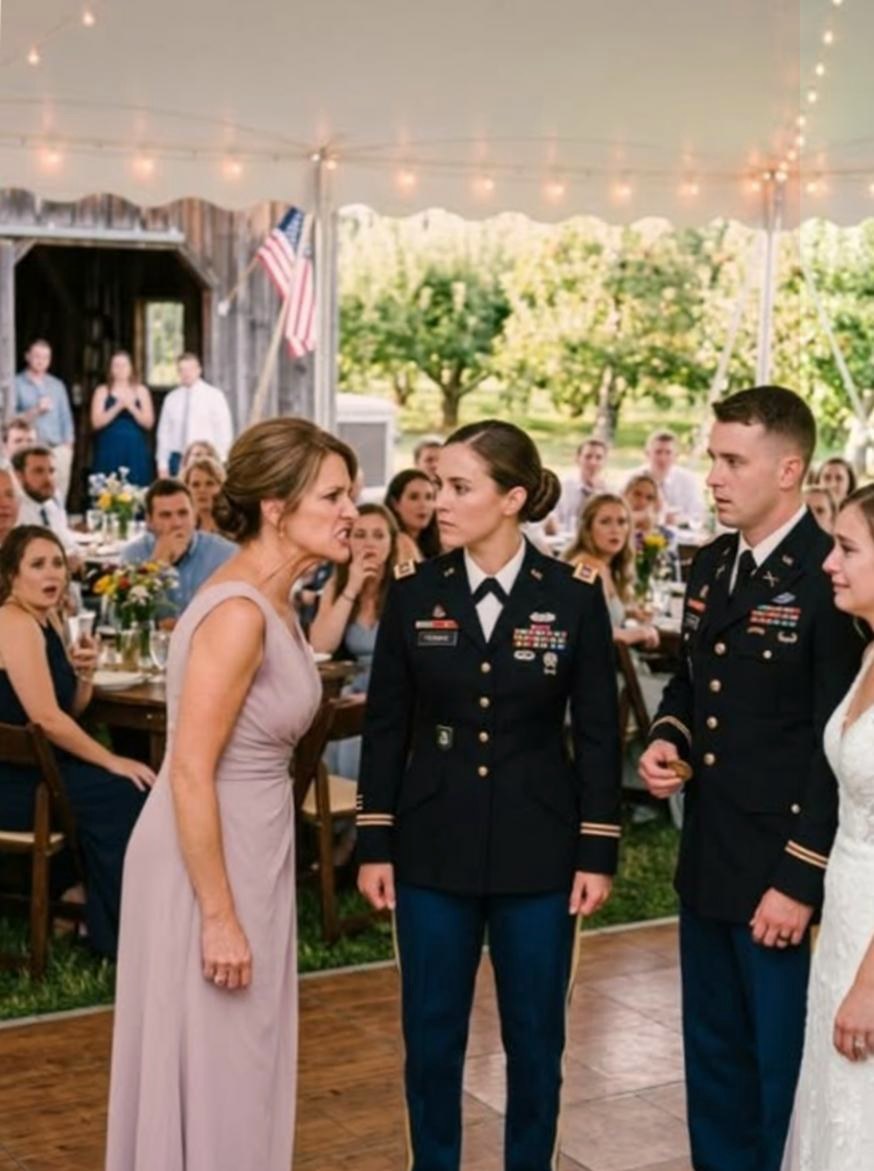

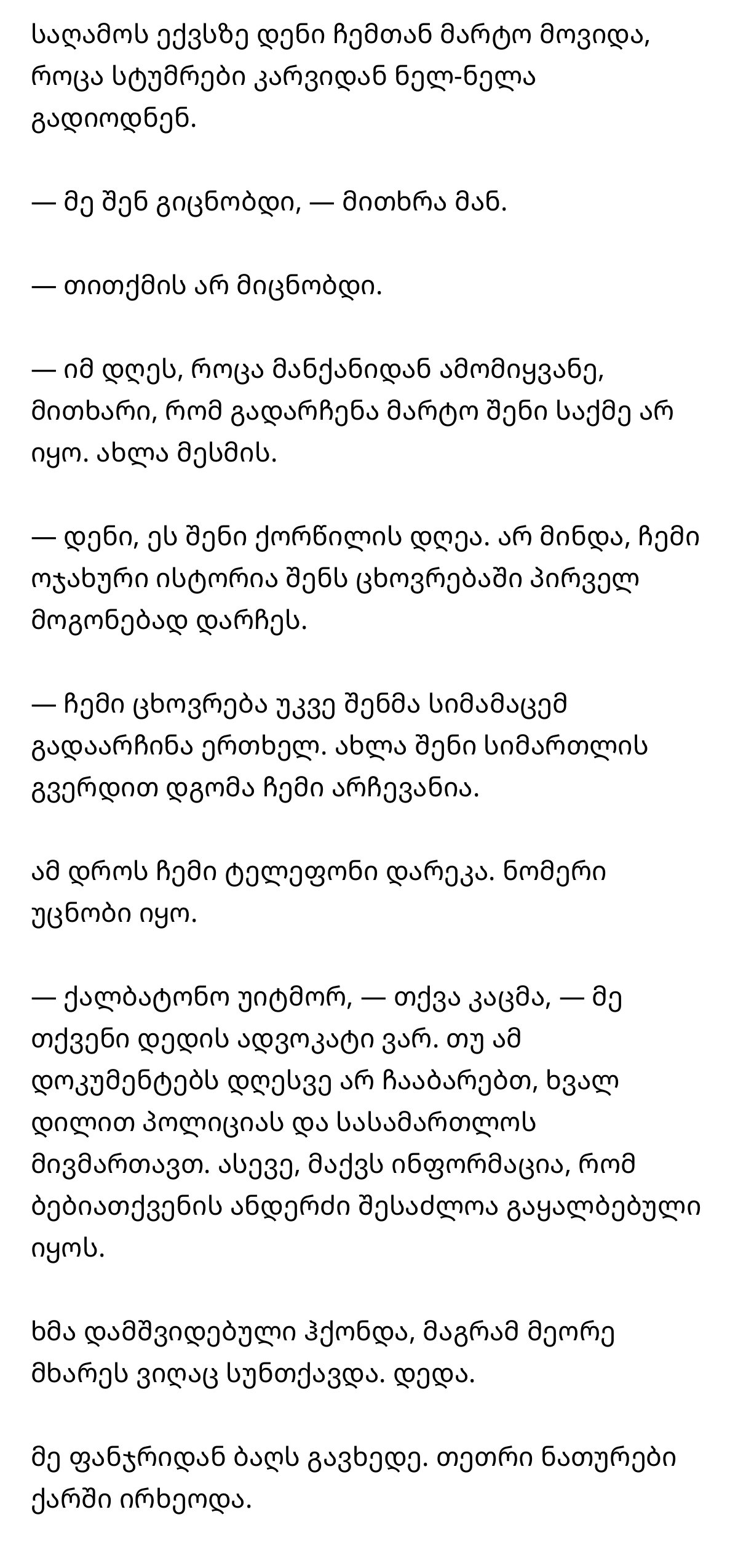
My mother accused me of abandoning the family precisely when I was standing in military uniform in front of my grandmother’s white house, holding an untouched glass of champagne.
“Frances always wanted independence,” she told the relatives, placing her hand on my arm as if checking an old wound. “She chose to leave us herself.”
Several people nodded sympathetically. Mother smiled even more broadly.
She did not know that in the car, inside a locked folder under the seat, I had evidence proving nine years of silence.
That morning, my grandmother’s forty-acre apple orchard in Ohio had been decorated for the wedding. White lights hung among the trees, the wind spread the scent of lavender, and the old house’s slanted porch creaked at every step. As a child, I always listened to that creaking and thought the house was speaking to me.
Grandmother Ruth was the only person who never wrote, “You chose this yourself.” Every birthday she sent me a letter. Sometimes a recipe, sometimes a photograph. Once, on the back of a picture of the orchard, she wrote only four words: “I’m still here. Still yours.”
At the time, I did not understand what it meant.
Ruth died three months earlier. And now Brooke had chosen her farm as the wedding venue, as if Grandmother had been nothing more than a beautiful decoration. The invitation listed my parents as the hosts. And in my place I found a small card: “Frances? Guest.”
I could not get rid of the question mark.
“The chairs need to be moved from the back,” Brooke told me at ten in the morning, when the train of her wedding dress touched the grass. “You are used to such things, after all.”
“Captains help move chairs too,” I replied.
“Today you are not a captain, but my sister.”


“Is this the first time you have remembered that?”
Her smile disappeared for a moment, but immediately returned.
Nine years earlier, when I put my acceptance letter from the state university on the kitchen table, I asked only for help with the tuition portion. I had calculated the loan amount and was also planning to work part-time.
Mother wiped the table with a napkin without even looking at me.
“You are a smart girl, Frances. You have become independent.”
Father was reading a newspaper beside her. He said nothing.
That summer I enlisted in the army. I did not shout. I did not slam the door. I simply stopped asking the people who had already decided that I was not worth helping.
Three years later, my parents paid for Brooke’s private college. Housing. A car. Then an entire semester in Florence and spending money.
When someone asked how they managed it, Mother always said the same thing:
“We simply could not stretch far enough for two.”
I believed her for years.
That was the most painful part.
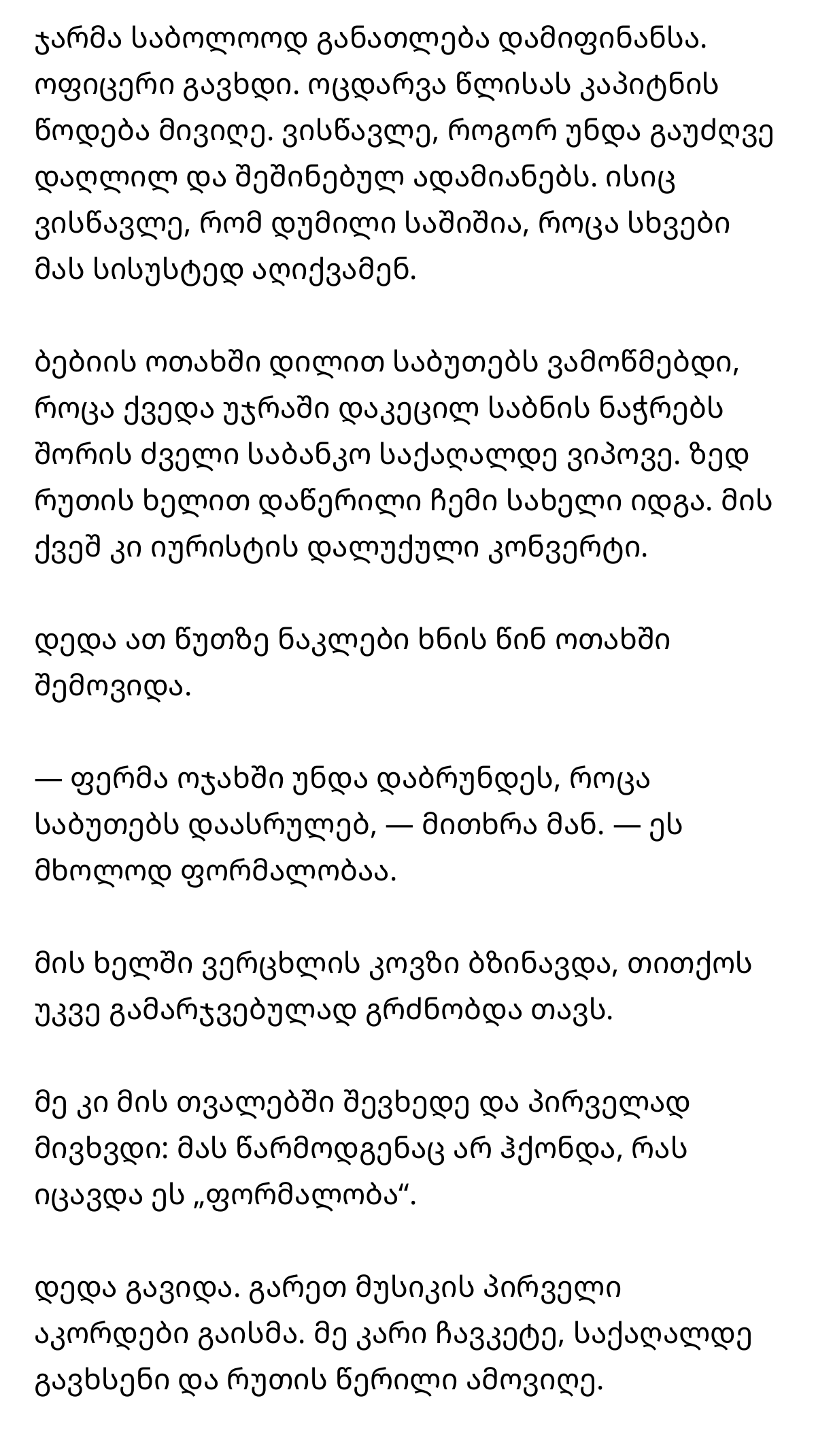

The army eventually funded my education. I became an officer. At twenty-eight, I received the rank of captain. I learned how to lead tired and frightened people. I also learned that silence is dangerous when others perceive it as weakness.
In Grandmother’s room, I was checking the documents in the morning when I found an old bank folder in the bottom drawer, among folded blanket pieces. My name was written on it in Ruth’s handwriting. Beneath it was a sealed envelope from a lawyer.
Mother had entered the room less than ten minutes earlier.
“The farm should return to the family when you finish the documents,” she told me. “It is only a formality.”
The silver spoon in her hand gleamed, as if she already felt victorious.
But I looked into her eyes and understood for the first time: she had no idea what this “formality” was protecting.
Mother left. Outside, the first chords of music sounded. I locked the door, opened the folder, and took out Ruth’s letter.
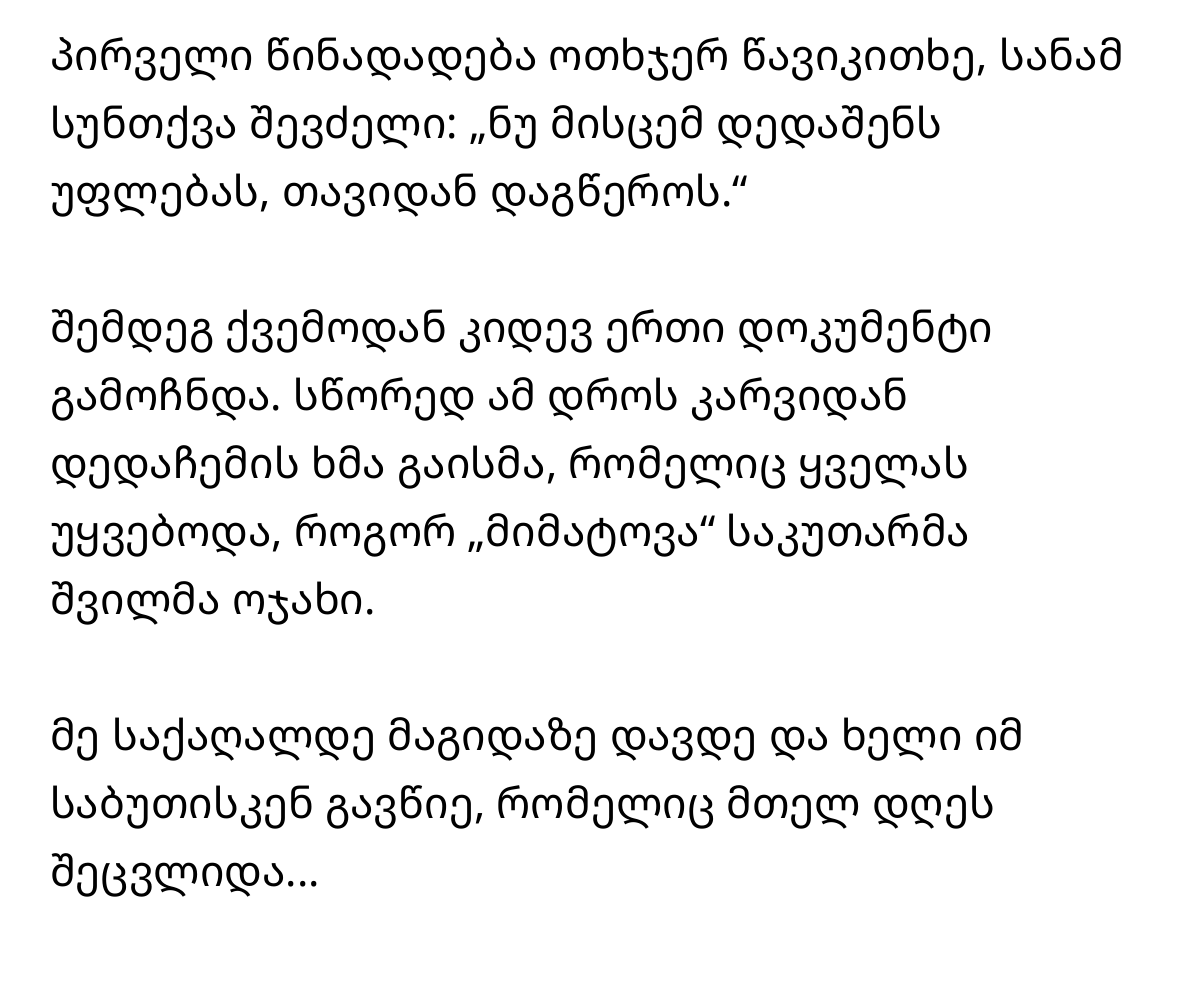
I read the first sentence four times before I could breathe: “Do not let your mother rewrite you from the beginning.”
Then another document appeared underneath. At that exact moment, my mother’s voice came from the tent, telling everyone how her own child had “abandoned” the family.
I placed the folder on the table and reached toward the document that would change the entire day…
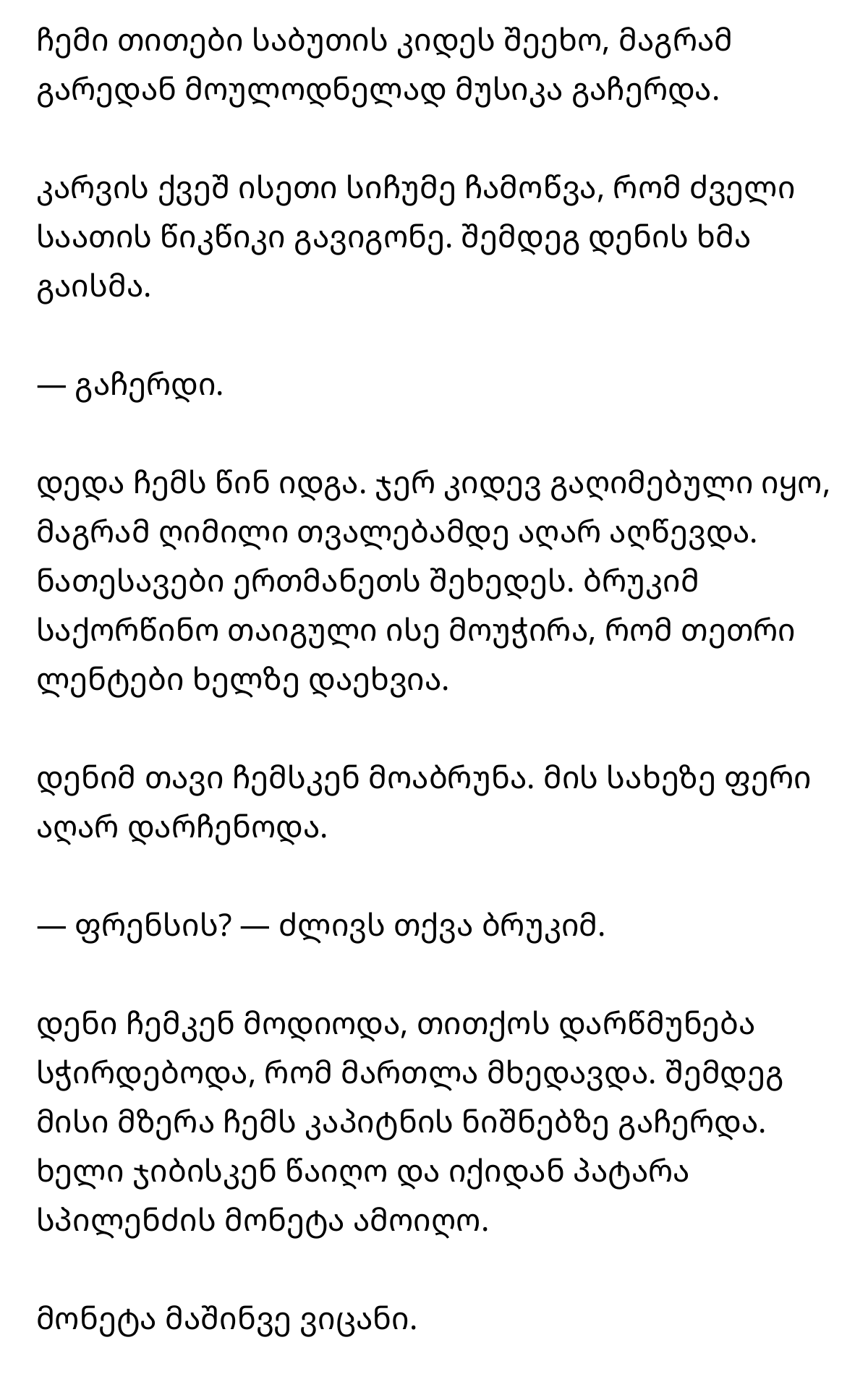

My fingers touched the edge of the document, but suddenly the music stopped outside.
Such silence fell under the tent that I heard the ticking of the old clock. Then I heard Danny’s voice.
“Stop.”
Mother stood in front of me. She was still smiling, but the smile no longer reached her eyes. The relatives looked at one another. Brooke squeezed the wedding bouquet so hard that the white ribbons wrapped around her hand.
Danny turned his head toward me. There was no color left in his face.
“Frances?” Brooke barely said.
Danny walked toward me as if he needed reassurance that he was really seeing me. Then his gaze stopped on my captain’s insignia. He reached into his pocket and took out a small copper coin.
I recognized the coin immediately.
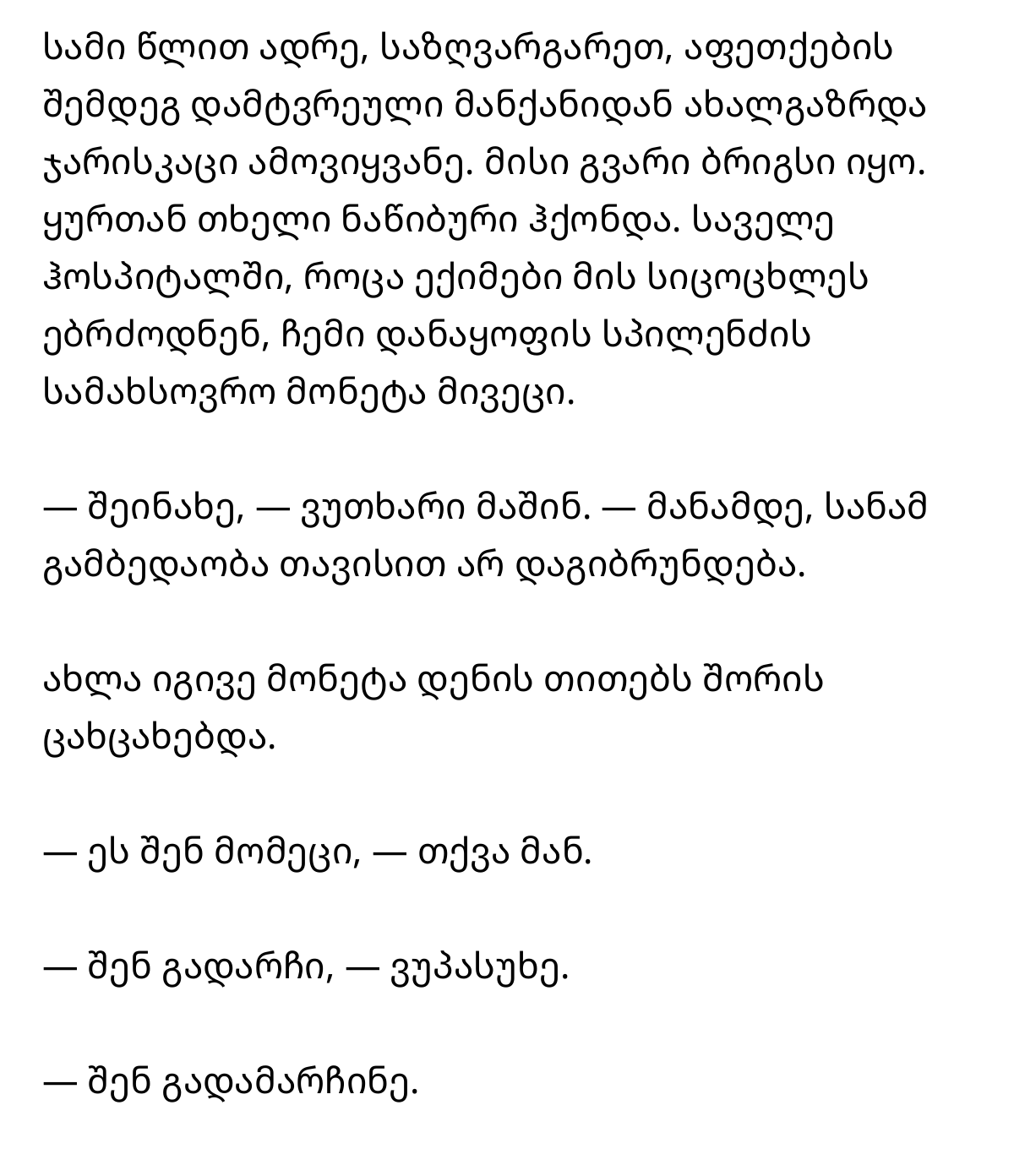
Three years earlier, overseas, I pulled a young soldier from a wrecked car after an explosion. His surname was Briggs. He had a thin scar near his ear. In the field hospital, while the doctors fought for his life, I gave him my unit’s copper commemorative coin.
“Keep it,” I told him then. “Until your courage returns on its own.”
Now the same coin trembled between Danny’s fingers.
“You gave this to me,” he said.
“You survived,” I answered.
“You saved me.”

Mother stepped forward.
“Danny, this is simply a coincidence. Frances came here to attract attention.”
Danny looked at her as if he were seeing her for the first time.
“You said she had separated from the family years ago.”
“Because that is how it was.”
“You said she had never served in the military.”
Mother’s hand tightened around the glass. The crystal edge cracked between her fingers.
“You are too tired, Danny,” Father intervened. “It is your wedding day.”
“No,” I said. “I was tired for nine years.”
Ruth’s letter was in my pocket. The corner of the paper rubbed against my finger. That small roughness gave me the strength not to fall silent again.
At eleven in the morning, before the wedding, I checked the remaining documents in Grandmother’s room. The accounts showed that Ruth had created an educational fund over the years. There was enough money in it for both grandchildren’s education.
But near the date of my acceptance letter, the money had disappeared from the account.
On the day of Brooke’s first tuition payment, another large withdrawal appeared.
Beside the paper, Ruth had made a small note: “The money intended for Frances was taken by her mother. She told me the girl was going into the army anyway.”
On the second page was the bank employee’s name and the date of the meeting. On the third page was Father’s signature.
The money was not the hardest part.
The hardest part was Ruth’s last letter.
“If they ever accuse you again of leaving on your own, tell them that leaving is one thing, and locking the door from the outside is another.”

At four in the afternoon, Ruth’s lawyer, Mr. Hayes, found me behind the wedding tent. He held a leather bag whose clasp rattled with every movement.
“Do you have everything?” I asked.
“Everything that is necessary,” he replied. “But first you need to know what these documents mean.”
“My mother says the farm belongs to the family.”
“Your mother has already said that to the lawyers as well.”
“And what did you answer?”
Hayes placed his hand on the bag.
“Nothing yet. I wanted you to read the last page yourself.”
At that moment shouting came from the tent. Mother was telling the guests that I was trying to ruin Brooke’s wedding. A few minutes later she took out her phone and called someone.
“Call the police,” she said clearly. “My daughter is stealing her grandmother’s things.”
Hayes knitted his brows.
“You have stolen nothing.”
“Not yet,” I said, looking at the folder.
Danny stopped beside me.
“Frances, what is really happening?”
I wanted to answer him, but Hayes took a small voice recorder from the bag.
“Ruth left this at the last meeting,” he said. “I was supposed to listen to the recording only if the family started rewriting the truth again.”
Mother’s voice could still be heard from the tent. Hayes pressed the recorder’s button.
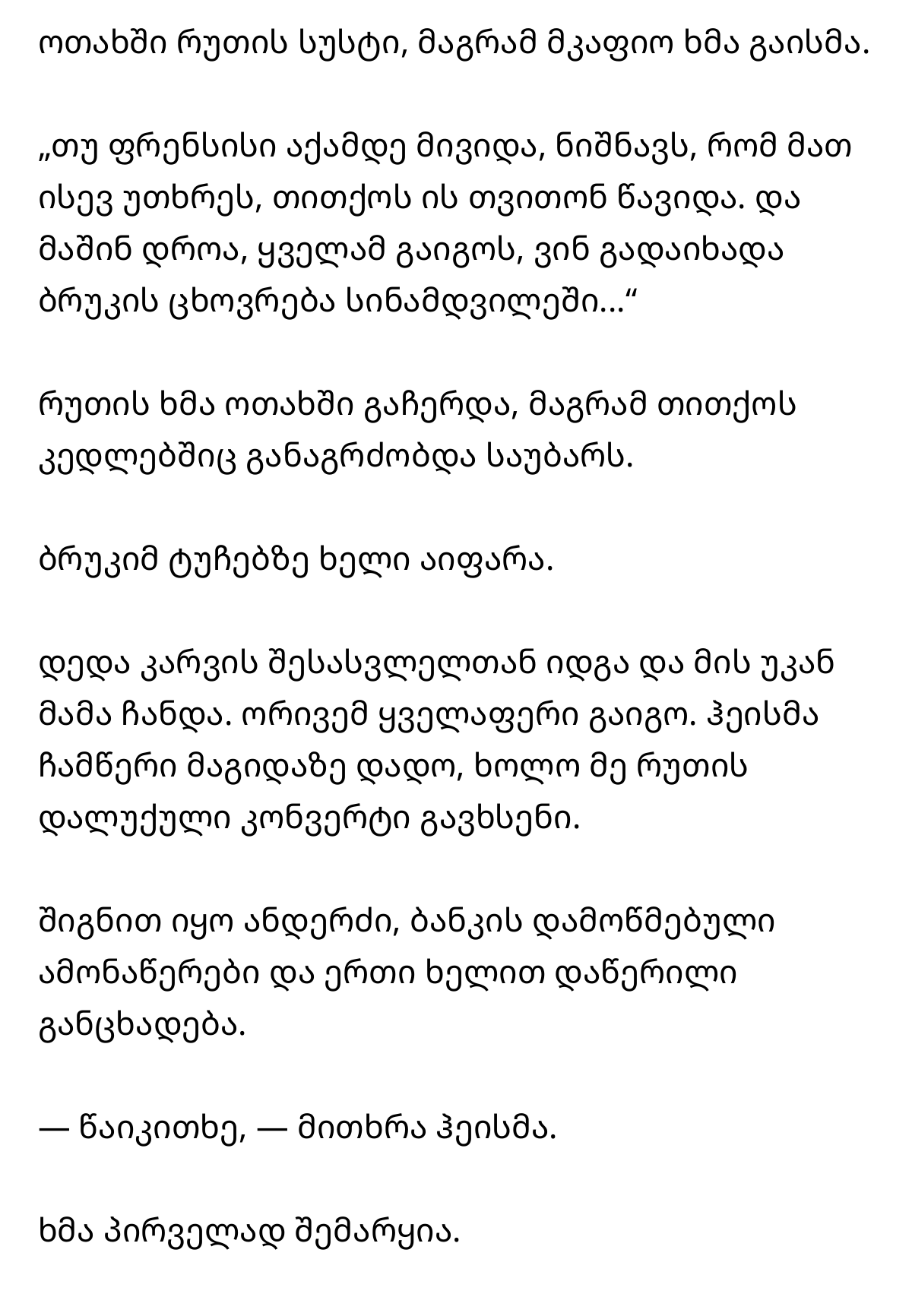
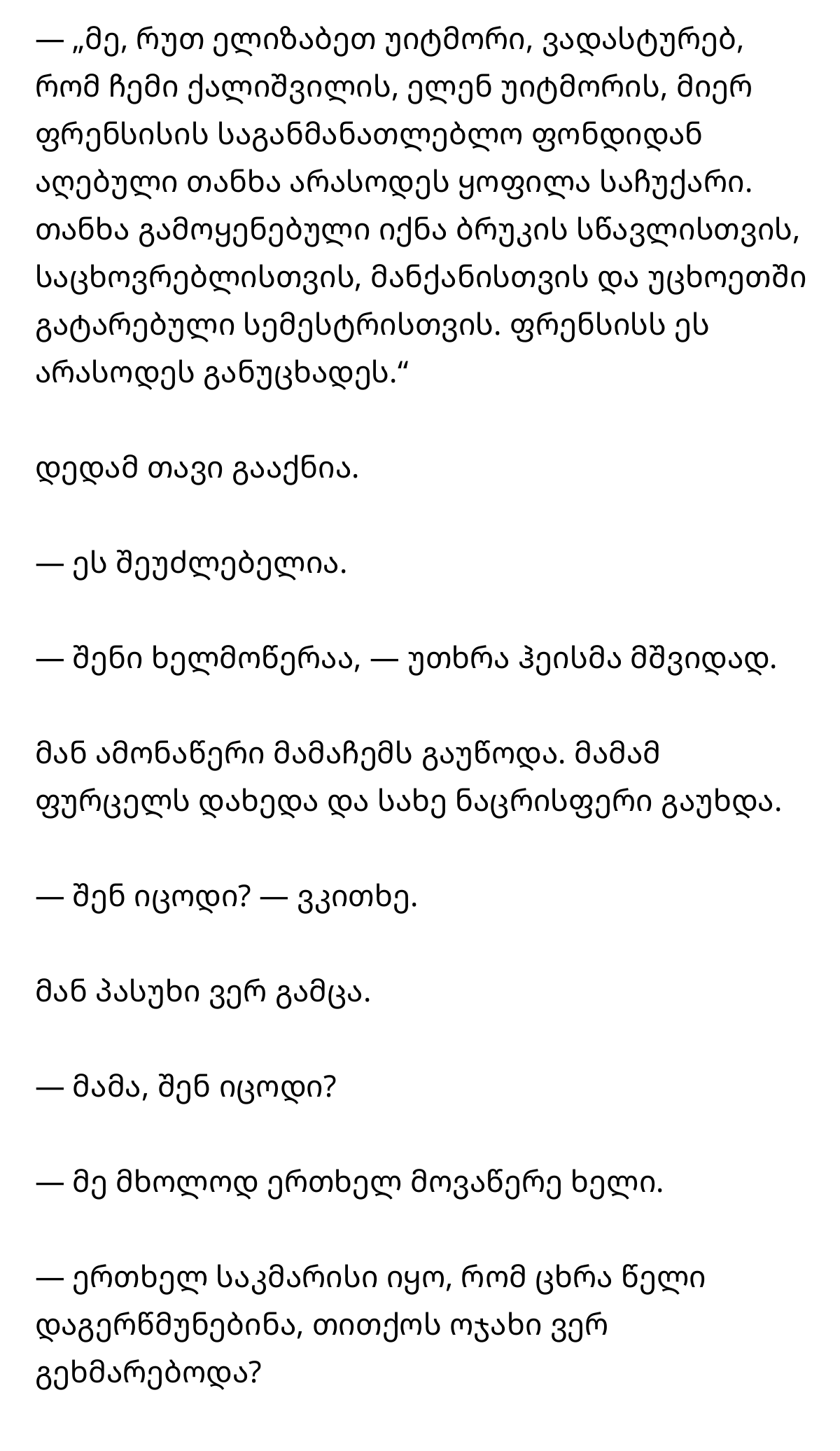

Ruth’s weak but clear voice sounded in the room.
“If Frances has come this far, it means they have told her again that she left on her own. And then it is time for everyone to learn who really paid for Brooke’s life…”
Ruth’s voice stopped in the room, but it seemed to continue speaking in the walls as well.
Brooke covered her lips with her hand.
Mother stood at the entrance of the tent, and Father was visible behind her. Both had heard everything. Hayes placed the recorder on the table, and I opened Ruth’s sealed envelope.
Inside were a will, certified bank statements, and a handwritten declaration.
“Read it,” Hayes told me.
For the first time, my voice shook.
“I, Ruth Elizabeth Whitmore, confirm that the money taken by my daughter, Ellen Whitmore, from Frances’s educational fund was never a gift. The money was used for Brooke’s education, housing, car, and semester abroad. Frances was never told this.”
Mother shook her head.
“That is impossible.”
“That is your signature,” Hayes told her calmly.
He handed the statement to my father. Father looked at the paper and his face became gray.
“You knew?” I asked.
He could not answer me.
“Father, you knew?”
“I signed only once.”
“Once was enough to convince me for nine years that the family could not help me?”
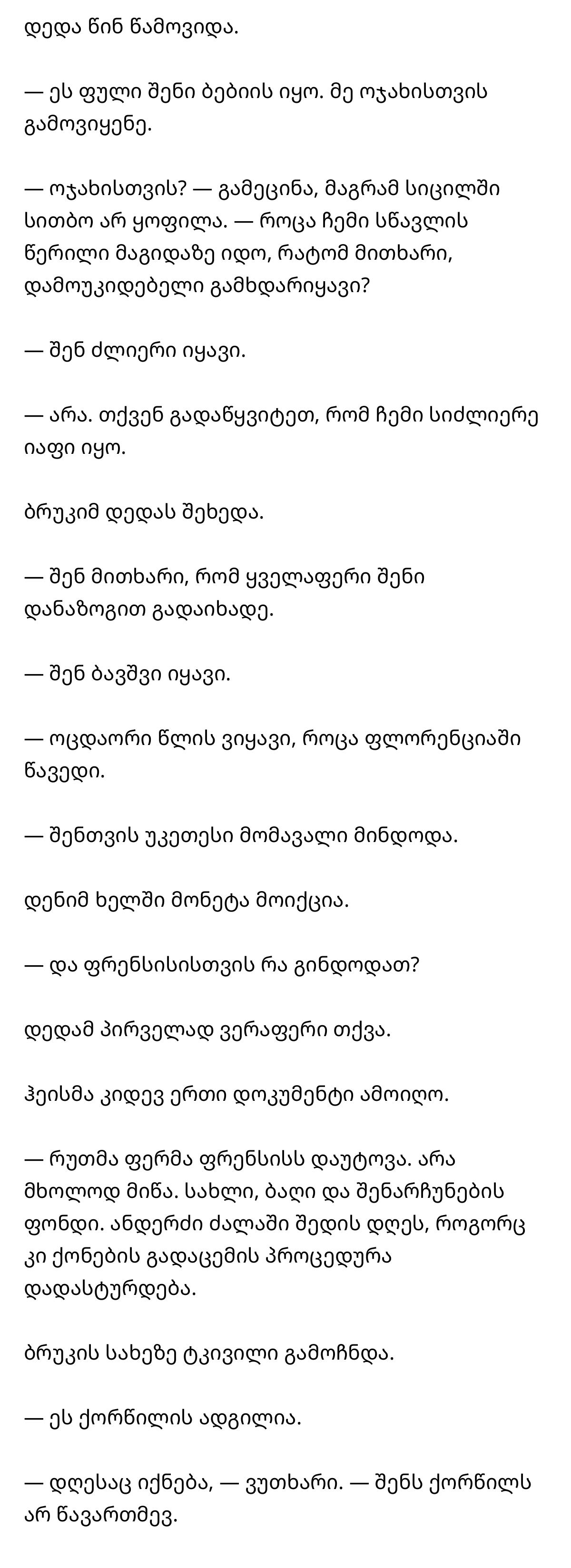

Mother stepped forward.
“That money belonged to your grandmother. I used it for the family.”
“For the family?” I laughed, but there was no warmth in the laughter. “When my acceptance letter was lying on the table, why did you tell me to become independent?”
“You were strong.”
“No. You decided that my strength was cheap.”
Brooke looked at Mother.
“You told me you paid for everything with your savings.”
“You were a child.”
“I was twenty-two when I went to Florence.”
“I wanted a better future for you.”
Danny closed his hand around the coin.
“And what did you want for Frances?”
For the first time, Mother said nothing.
Hayes took out another document.
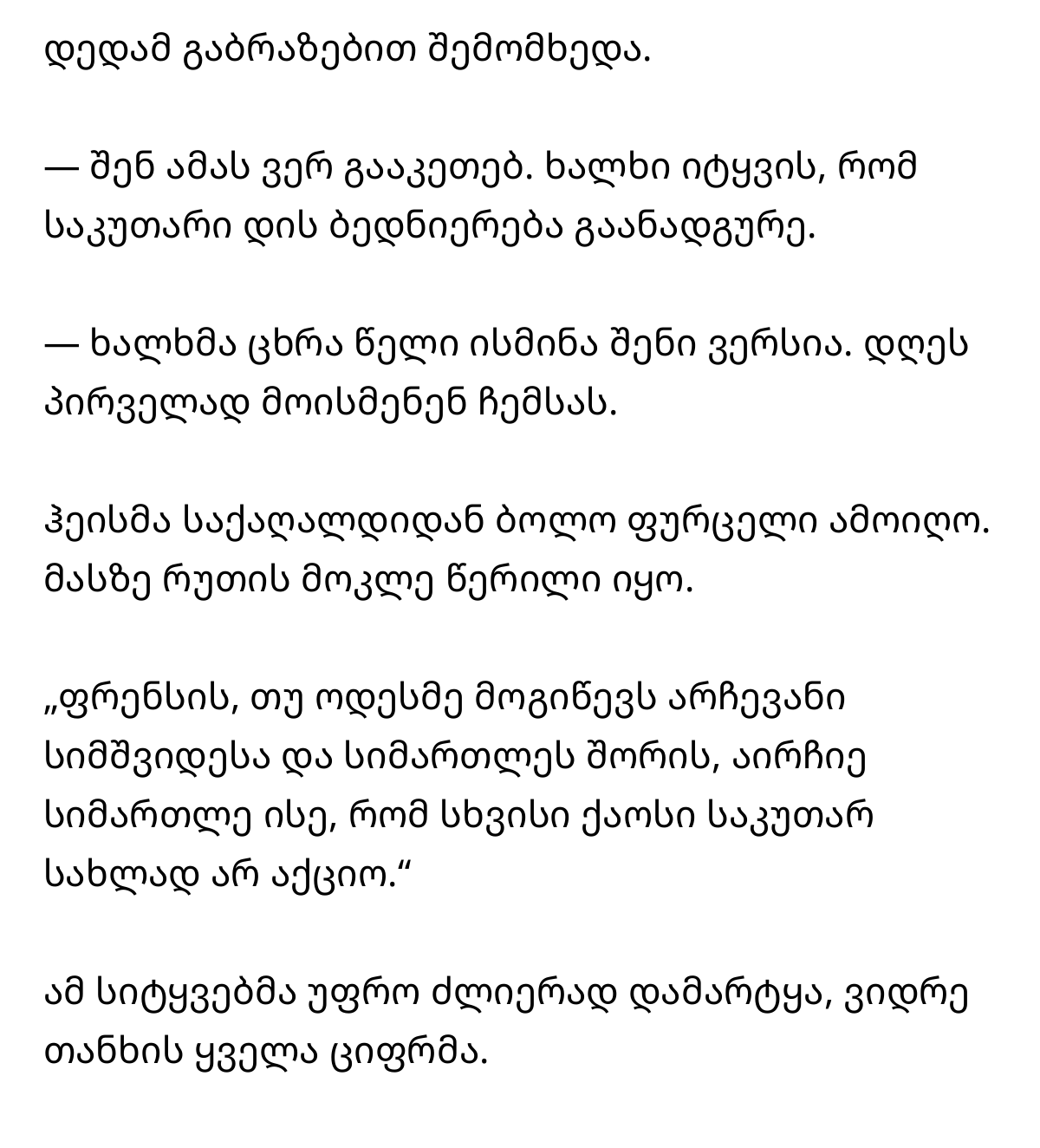
“Ruth left the farm to Frances. Not only the land. The house, the orchard, and the maintenance fund. The will takes effect today, as soon as the property transfer procedure is confirmed.”
Pain appeared on Brooke’s face.
“This is the wedding venue.”
“It will be today too,” I said. “I will not take your wedding away.”
Mother looked at me angrily.
“You cannot do this. People will say that you destroyed your own sister’s happiness.”
“People have heard your version for nine years. Today they will hear mine for the first time.”
Hayes took the final sheet from the folder. It contained a short letter from Ruth.
“Frances, if you ever have to choose between peace and truth, choose truth without turning someone else’s chaos into your own home.”
Those words struck me more strongly than all the numbers of the money.

At six in the evening, Danny came to me alone, when the guests were slowly leaving the tent.
“I knew you,” he told me.
“You barely knew me.”
“On the day you pulled me from the car, you told me that surviving was not only your responsibility. Now I understand.”
“Danny, this is your wedding day. I do not want my family history to remain the first memory in your life.”
“My life was already saved once by your courage. Now standing beside your truth is my choice.”
At that moment my phone rang. The number was unknown.
“Mrs. Whitmore,” a man said, “I am your mother’s lawyer. If you do not hand over these documents today, tomorrow morning we will contact the police and the court. I also have information that your grandmother’s will may have been forged.”
His voice was calm, but someone was breathing on the other side. Mother.
I looked at the orchard through the window. The white lights swayed in the wind.
“Tell my mother that this time she will not be able to lock the door from the outside,” I answered.
As soon as the call ended, Hayes looked at the tablet. A new message had appeared on its screen.
It had come from Ruth’s bank.
“Frances,” he said, and for the first time his voice changed, “this is no longer only about the farm and the money taken in the past. Your mother tried this morning to make a transfer to one of the accounts. The account is still in Ruth’s name, but your brother—no, your father—is listed as the recipient.”
I looked at the screen.
The transfer description said: “The final step.” And Mother still had no idea that the bank had already stopped the operation…
რუთის ბოლო ჩანაწერმა ყველაფერი სხვა თვალით დამანახა…
ფინალში დედაჩემის სიტყვები პირველად სხვისი ყურით მოვისმინე. სწორედ მაშინ მივხვდი, რომ სიმართლე მხოლოდ წარსულს არ ცვლის.
„დედობა უფლებას არ გაძლევს, ჩემი ცხოვრება თავიდან დაწერო.“
ოთახში აღარავის დარჩა საპასუხო სიტყვა.
😱 გაიგე, რას მალავდნენ ისინი →
👇 ისტორიის ფინალი უკვე გახსნილია
Related posts:
 Part 4 — My family no longer considered me their child at the wedding, but when the groom looked at my uniform, my mother’s smile froze on her face
 When the dangerous mobster’s son reached out towards me, his father looked at the photo and went pale.
 The Meat My Mother Sent Was Being Saved by My Husband for His Mother-in-Law, but When He Opened the Refrigerator, His Face Suddenly Turned Pale
 I Refused to Give Up My Eight-Year-Old Daughter, and Years Later My Mother’s Smile Suddenly Disappeared at the Gala
 They were taking Grandma to a restaurant, but three hours later, they left her at a nursing home—when I asked about it, my father stopped smiling for the first time.
 Father Left Houses to My Brothers, but Burdened Me with Mother’s Life — Yet My Brother’s Smile Suddenly Disappeared