
That evening my husband’s family called me a money-counter and a miser, until a bank notification on my phone stopped their laughter.
We were sitting on the terrace of the small Balatonlelle apartment, around a long plastic table. The August air was heavy, the smells of grilled meat, sweet wine, and dampness rising from the lake mixing together. On the back of a paper napkin, I was writing down who had ordered what.
Kati dropped her glass onto the table so hard that wine spilled over.
“Are you counting again, Julie? God, how embarrassing you are.”
“I’m not counting anything,” I answered calmly. “I just want not to pay for everything myself this time.”
Gabor, my husband, looked at his phone and lowered his head even more. This was his usual escape. Whenever he needed to defend me, he always hid in the screen.
Kati snickered.
“We are family. In a family no one talks about such petty things.”
For them, this phrase always meant one thing: I had to pay. The shared lunch, ice cream for the children, fuel, birthday presents, the first installment for Kati’s new phone. I had a better salary and therefore, apparently, the common wallet automatically became mine.
A few weeks earlier Uncle Lasha had told me directly that I had half a face when I refused to put money into Kati’s phone. Everyone laughed. And I stood by the plate of grilled meat, holding that little white enamel boat hanging from my keys. My father had given it to me, and its edge scratched my palm every time. At that moment the scratch hurt more than the words.
I could not eat the food. I went to the bedroom and sat on the edge of the bed. Just then the phone chimed.
The first message: forty-eight thousand forints, a beauty salon in Siófok.
The second: thirty-one thousand five hundred, a clothing store.
My heart clenched. I opened the joint account. The transfers had accumulated for months: small amounts, then larger ones, always in such a way that I would not notice them all at once.
Gabor entered the room. I pushed the phone toward him.
“What is this?”
“Not now, Julie.”
“No. Now.”


Something froze on his face for one second. He knew.
“I helped Kati.”
“With our money? For a salon and clothes?”
“She is having a difficult period.”
“Weren’t we saving too? For renovating the house, unexpected expenses, security.”
At last he looked at me.
“You won’t understand. She is my sister.”
“And who am I?”
Silence filled the room. Then he told me he had not wanted to burden me. As if my opinion were simply obstructive noise.
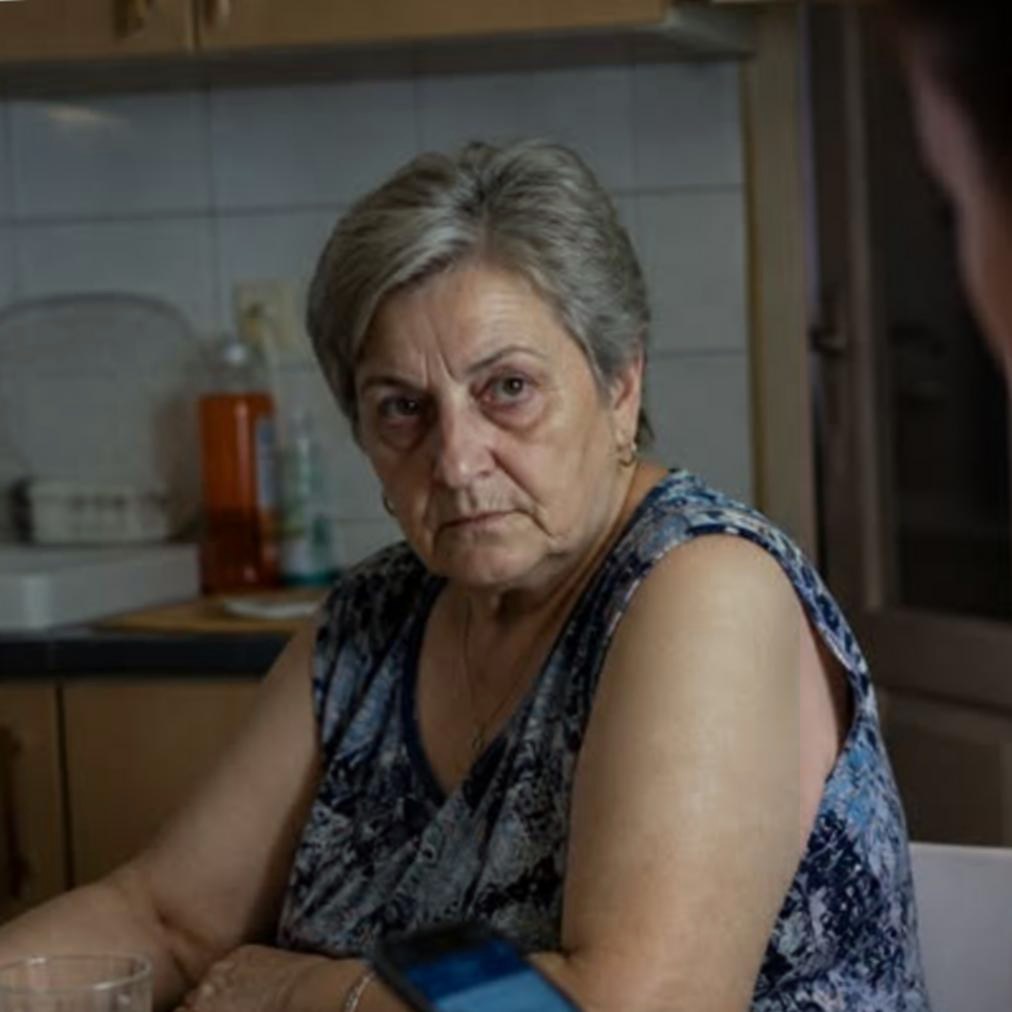
I went into the kitchen. His mother, Elisabeth, was sitting there alone, warming a cup with both hands.
“What happened?” she asked.
I told her everything and showed her the account. She looked at the screen for a long time. Then she slowly put down the cup.
“How much do you know exactly?”
“Only what is visible here.”
Elisabeth looked toward the door.
“Then call everyone.”
Five minutes later everyone was standing in the kitchen: Kati with her arms crossed, Gabor pale, my father-in-law confused. And Elisabeth took a small key from the drawer and held it out toward me.
“Julie, before they say anything, you have to open this…”

Elisabeth was gripping the small copper key so tightly that the skin beside her nails had turned white.
“What does this open?” I asked.
Kati immediately took a step forward.
“Mother, don’t interfere. This is our family matter.”
“That is exactly why I cannot keep silent,” Elisabeth said.
The low hum of the refrigerator could be heard in the kitchen. My father’s little enamel boat swayed in my hand. Suddenly I realized that all evening I had been holding it as if I were protecting something.
Gabor looked at his mother.
“Where did you find this?”
Elisabeth did not answer. She turned toward me.
“There is a small cupboard in the apartment hallway. On the third shelf. Our old documents are kept there.”
Kati lost color.
“You should not have gone in there.”
“I have been going in there for ten years,” Elisabeth replied. “But for the last few months you invented a reason every time to be alone.”
Gabor struck the table with his hand.
“Enough. Julie, let’s go home.”
“Not yet,” I said.
I did not recognize my own voice. It was calm, but inside my whole body was trembling.
Elisabeth headed for the door. The hallway was narrow and dark. The old clock hanging on the wall mixed its eleven and twelve chimes together. Dusty folders lay on the third shelf. The key fit a black metal box.

Kati followed me.
“Julie, please, don’t turn this into a performance.”
“The performance was when you called me a miser for months.”
“I did not know that Gabor was explaining the account to you like this.”
Gabor looked sharply at her.
“Kati.”
It was one word, but there was fear in his voice.
The box’s lock opened. Inside were several receipts, folded papers, and a small memory card. Above the receipts my name was written. Not a nickname, not a surname written by mistake—my full name, with my identity number.
My fingers went cold.
“What is this?” I asked.
Gabor came toward me.
“Give it to me.”
“Explain first.”
“There is nothing here like what you are thinking now.”
“Then why is my identity number here?”
Kati bit her lip. My father-in-law lowered his head and fidgeted with a crumpled napkin.
Elisabeth picked up the memory card.
“I found this in my room on the day Kati stayed here alone.”
“Mother,” Gabor hissed through his teeth, “this will have a price.”
“The truth always has a price.”

The children’s voices could be heard from the living room. Until then everyone had thought that the adults were simply arguing about money. Now such a cold settled over the house, as if the windows had been opened for winter.
I opened the receipt. A bank stamp, a date, my signature. The signature looked almost exactly like mine, but the last letter had an extra loop.
“I did not write this.”
Gabor lowered his eyes.
“Julie, listen to me.”
“I have been listening to you all evening.”
“Everything will be fixed.”
“What is supposed to be fixed? My stolen money? My forged signature? Or the fact that everyone knew except me?”
Kati suddenly shouted:
“You have no idea what I have done for this family!”
“Then tell me.”
She opened her mouth, but no sound came out.
Elisabeth put the memory card into her phone. A folder of old recordings appeared on the screen. She brought her finger to the first file and stopped.
“You have to listen to this first, Julie. After this no one will be able to tell you that everything happened by accident…”
Elisabeth pressed the file.
In the first seconds only the clinking of glasses could be heard. Then Gabor’s voice sounded, clear and calm, the way it had never been during an argument with me.
“Do not tell Julie anything. The less she knows, the easier it will be.”
My breathing stopped.
Kati’s laughter sounded in the recording.
“In the end she will sign anyway. The house is in her name, the bank trusts her more.”
“I have already made the signature,” Gabor answered. “Only submitting the application remains.”

No one moved in the kitchen. From the phone’s small speaker came the hidden plan of my life.
Kati whispered:
“If the loan is approved, I will have an apartment and will not bother anyone anymore.”
“You do not bother anyone,” Gabor said. “Julie is simply overly cautious. By the time she finds out, everything will be finished.”
The recording went silent for a few seconds. Then Gabor added:
“The savings are already enough for the first installment. The remaining amount will be tied to her salary.”
I leaned against the wall. My fingers were wrapped around the enamel boat, and its sharp edge sank into my skin.
“Is that my voice?” I asked, although I knew the answer.
Elisabeth nodded.
“I made this recording a month ago. Then I thought perhaps I was misunderstanding something.”
Gabor grabbed at the phone.
“Mother, turn it off.”
Elisabeth stepped back.
“It is not over yet.”
The rustling of paper sounded in the recording.
“Here is the application,” Kati said. “We have to take it on Monday.”
“No,” Gabor said. “I will take it on Friday. Julie will be at work all day.”
That was when I understood why he had tried to see my identity card that week. Why he asked where I kept my bank cards. Why he became angry when I refused to send a sample of my signature.
The recording ended.
Kati pushed her chair back.
“I did not want forgery. Gabor told me that you would agree anyway.”

“I would never have agreed.”
“You frightened all of us with your rules,” she said, her eyes filling with tears. “You counted every expense, made everyone feel that we were obligated.”
“I counted because you were living with my money.”
Gabor stood in front of me.
“Julie, it was only helping Kati. She needed an apartment.”
“In my name.”
“For the family.”
“No. For you.”
Elisabeth put a second sheet of paper on the table.
“I called the bank today. The application has already been submitted.”
It was as if the air disappeared from the room.
“How, if they were supposed to take it on Monday?” my father-in-law asked.
“They sent it electronically,” Elisabeth said. “Tomorrow morning the signature verification is scheduled.”
Gabor suddenly took out his phone. He looked at the screen and his face changed.
“No… no, this is impossible.”
“What happened?” I asked.
He did not answer me. He turned the screen toward me. It was a message from the bank: the application had been received, and signature confirmation was scheduled for nine o’clock in the morning.
Kati rushed to the door.
“If we cannot confirm it tomorrow, everything will be over.”
“Everything is already over,” I told her.
But at that same moment my phone rang. It was an unknown number.
“Mrs. Julie?” a man’s voice asked. “I am calling from the bank’s security department. I urgently need to speak with you regarding an application submitted in your name. Because the signature indicated in the documents has been confirmed by your biometric record…”
I looked at Gabor.
For the first time I saw real fear on his face.
But when the bank employee said the next words, I understood that this story was no longer only about the end of our marriage…
ბანკის ზარმა გაბორს ის სიტყვები დაავიწყა, რომლებიც თავად თქვა…
მეგონა, ყველაზე მტკივნეული სიმართლე უკვე მოვისმინე. მაგრამ იმ ღამეს კიდევ ერთი კარი გაიღო, რომლის დახურვაც მხოლოდ მე შემეძლო.
„ჯულის არაფერი უთხრათ.“
მან პირველად ვეღარაფერი თქვა.
😱 გაიგე, რას მალავდნენ ისინი →
👇 ისტორიის ფინალი უკვე გახსნილია
Related posts:
 Part 4 — They Shamed Me for Counting Money at a Family Dinner, but When My Mother-in-Law Demanded That Everyone Be Called, the Cat’s Smile Disappeared
 En las vacaciones familiares me llamaron tacaña, pero al mencionar una transferencia mi suegra dejó de respirar
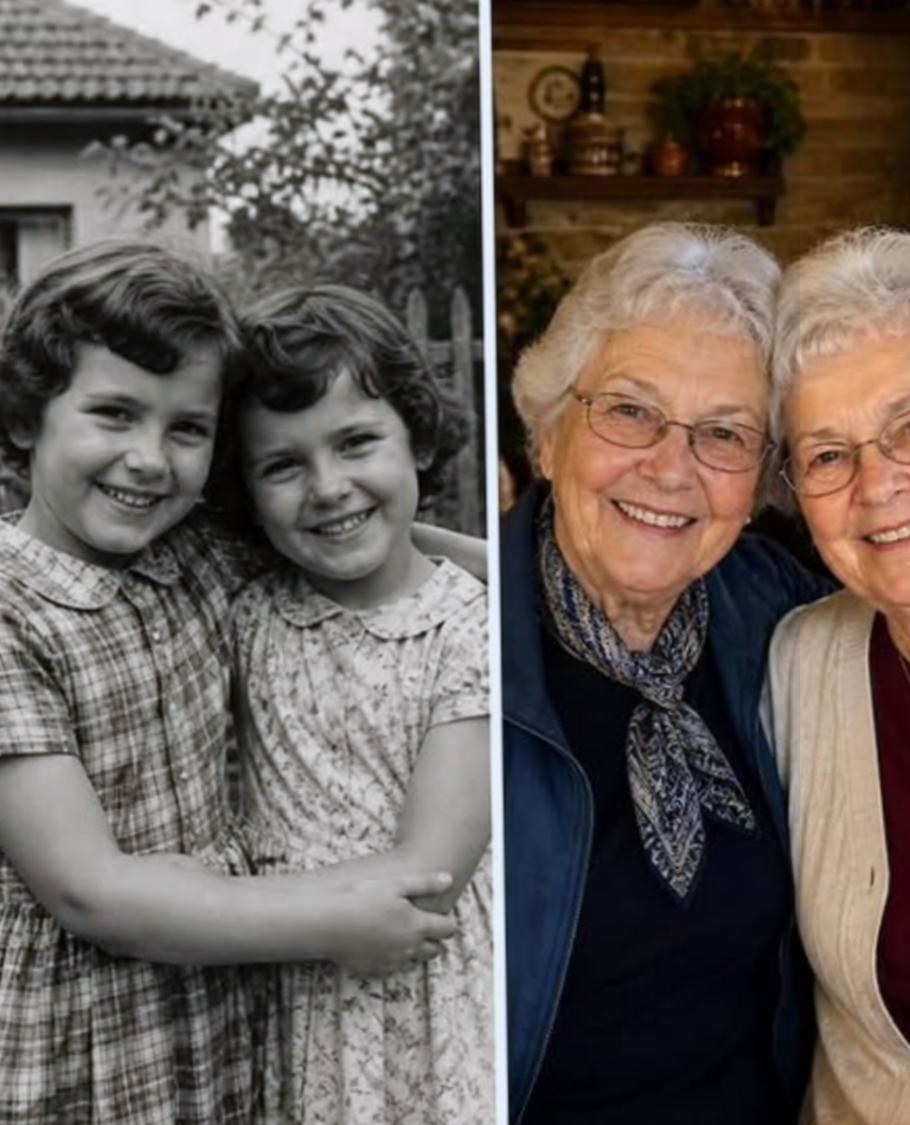 Ich erkannte in einem fremden Café mein eigenes Gesicht wieder, doch als ich ihren Namen flüsterte, ließ sie ihre Tasse fallen
 A férjem szerint a fogam csak „kozmetikai javítás” volt, de amikor közöltem a döntésemet, hirtelen elhallgatott
 A férjem mindenki előtt kitagadott a saját otthonomból, aztán egyetlen kérdésemre elsápadt
 A férjem a bíróságon letagadta a tizenkét évemet, de amikor a fekete dossziéért nyúltam, az arca elszürkült