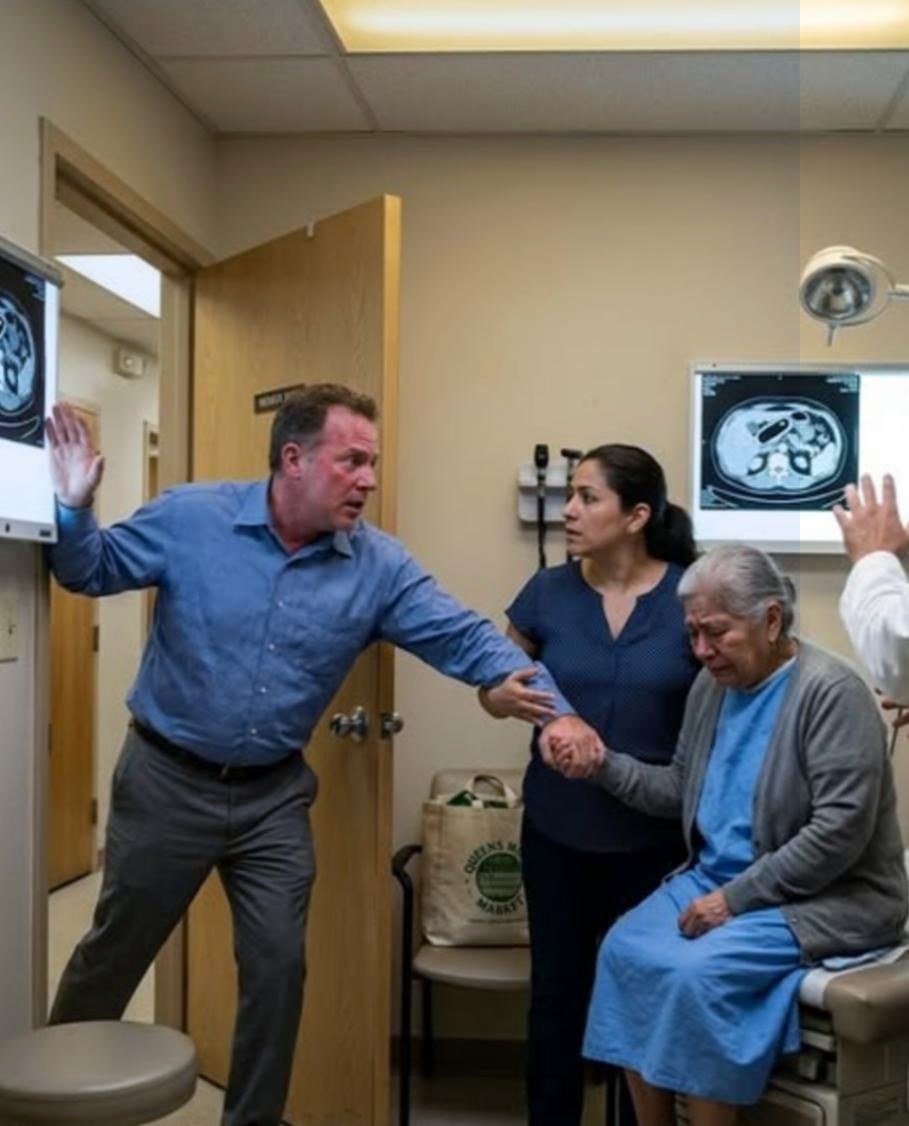

After those words, everything in the corridor began moving at once.
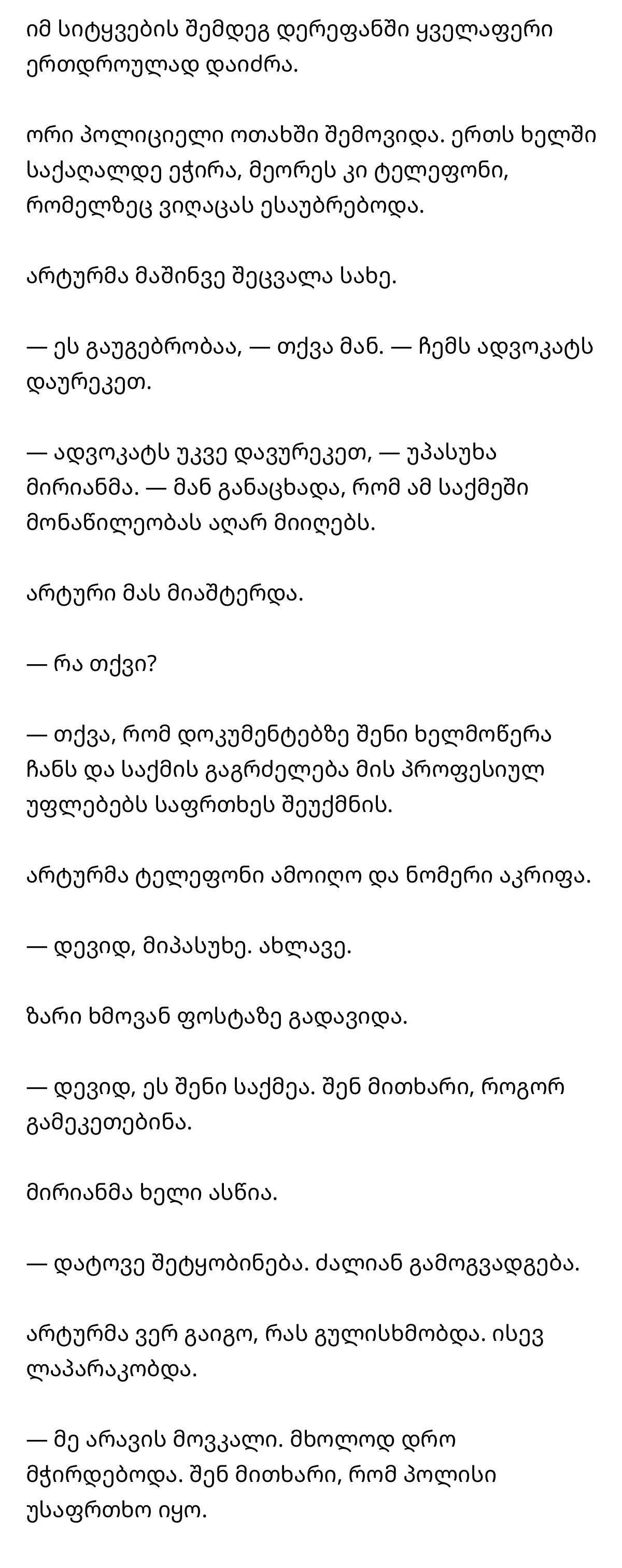
Two police officers entered the room. One held a folder, and the other held a phone on which he was speaking to someone.
Arthur immediately changed his expression.
“This is a misunderstanding,” he said. “Call my lawyer.”
“We have already called your lawyer,” Mirian answered. “He stated that he would no longer participate in this case.”
Arthur stared at him.
“What did you say?”
“He said that your signature is visible on the documents and that continuing the case would threaten his professional rights.”
Arthur took out his phone and dialed a number.
“David, answer me. Right now.”
The call went to voicemail.
“David, this is your case. You told me how to do it.”
Mirian raised his hand.
“Leave a message. It will be very useful to us.”
Arthur did not understand what he meant. He continued speaking.
“I did not kill anyone. I only needed time. You told me the policy was safe.”
The police officer recorded his phone.
Arthur stopped the message in the middle of a sentence. For the first time he saw that his own words had turned against him.
“This will not count as a confession,” he whispered.
“You are still talking,” I told him.
He looked toward me.
“Linda, don’t let them destroy our life.”
“You exchanged our life for money.”
“I will explain everything to you.”
“You had six months for that.”
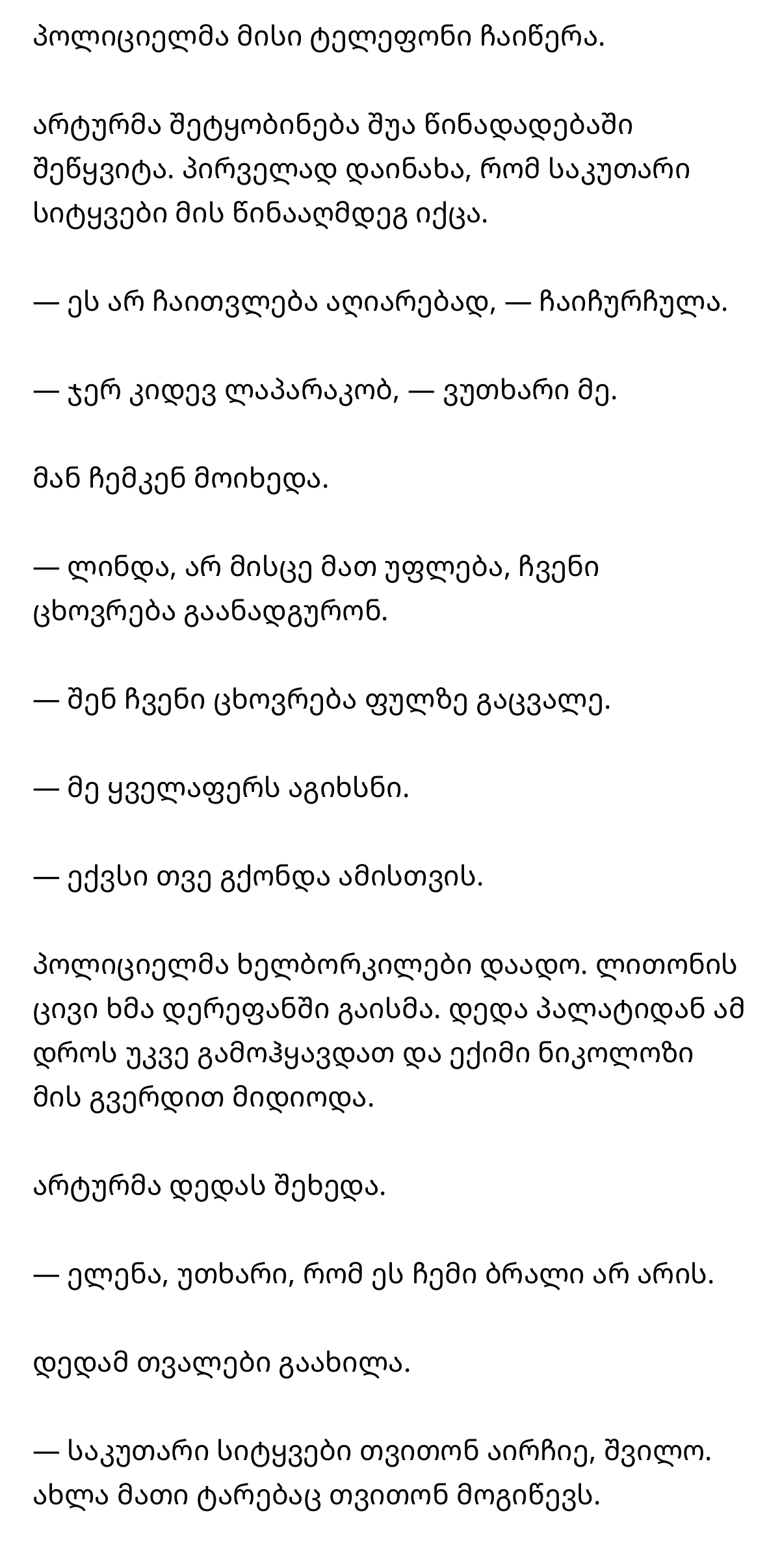
The police officer put handcuffs on him. The cold sound of metal rang through the corridor. My mother was already being brought out of the ward, and Doctor Nikoloz was walking beside her.
Arthur looked at my mother.
“Elena, tell them this is not my fault.”
My mother opened her eyes.
“You chose your own words, son. Now you will have to carry them yourself.”

Arthur lowered his head.
But the investigation did not end there.
The next morning Mirian told me that the forged change had been registered with a licensed notary. I was supposed to be in the recording, but in the camera footage there was a woman who had my hair color and my coat. Her face was partially covered.
“Who is that woman?” I asked.
Before answering, Mirian placed three bank statements on the table.
“Arthur’s accountant, Nora Bell. She helped him hide the company’s money for years.”
At first Nora denied everything. Then they found twenty-nine messages from Arthur. One said: “If Linda finds out, we will both go to prison.” Another said: “Do not let her mother go to the doctor.”
That same week Nora gave testimony.
She admitted that she had made the forged signature on Arthur’s instruction because he threatened to destroy her son’s university fees. Nora was guilty, but she was the first to tell the whole truth.
“Arthur thought your mother would die in a few days,” she told me in the interrogation room. “He said that grief would prevent you from noticing anything.”
On the table in front of her lay the recording. The small black device that my mother had swallowed was now kept in an evidence package.
“My mother protected it at the price of her life,” I said.
Nora lowered her eyes.
“She saved everyone.”

Several days later Arthur’s words were heard at the official hearing. His lawyer was no longer sitting in the room. The recording was played on the screen.
“We will blame the pain on her age.”
Arthur raised his head.
For the first time he heard his own voice not as part of a conversation, but as someone else’s cruelty.
The judge asked:
“Is this your voice?”
Arthur moved his lips, but could not find an answer.
“Yes,” he said at last.
That one word was enough for something in the room to finally end.
He was charged with attempted fraud, forgery, embezzlement of financial funds, and intentionally creating a danger to health. Nora received a lesser sentence in exchange for cooperation. Arthur asked the court for mercy, but I did not ask for revenge against him.
I only told the truth.
“I will never again allow anyone to turn my mother into a part of money.”
My mother returned home two weeks later.
Everything in her room was unchanged: the small icon of the Virgin Mary on the windowsill, the pot of carnations in the corner, and the folded blue blanket on the armchair. But the large pot in which she used to prepare meat stew was no longer in the kitchen.
I made her light soup.
“It is too salty,” she told me after the first spoonful.
“The doctor said a little salt is allowed.”
“Doctors think they know everything.”
We laughed.
That small laugh became for me the beginning of an entirely new life that day.

I left Arthur’s house. At first I lived in a small hotel room where the only thing visible from the window was a fire escape. In the morning the neighbors’ footsteps on the stairs woke me, and at night I woke at the sound of the refrigerator.
Still, I was at peace.
I returned to work part-time. I worked in a library and helped children choose books. Every morning I dusted the shelves, made myself a small cup of tea, and stood by the window.
The first snow came at the end of December.
I stood by the window with my mother. The street trees became white, and a thin layer of snow settled on the roofs of the cars.
“Look how clean everything is,” she said.
“Not clean. It just looks new.”
“Sometimes that is enough too.”
Several weeks later another person appeared in my life. My niece, little Sopho, came to my mother every Saturday and drew. One day she drew three people on a sheet of paper: me, my mother, and herself. Above them was a large yellow sun.
“Where is Arthur?” I asked.
Sopho put down the pencil.
“He doesn’t live in the house anymore.”
“Why?”
“Because he said bad words.”
Sometimes children understand the truth with a precision that adults do not have enough for their whole lives.

Arthur contacted me once more.
At first he sent me a letter. He wrote that he regretted it, that Nora had distorted everything, and that his life meant nothing without me.
I did not answer the letter.
Then he called me from the prison phone.
“Linda, listen to me for only five minutes.”
“I’m listening.”
“Tell me that your mother survived.”
“She survived.”
“And you?”
I was standing by the window. In my hand I held the small yellow bag into which I had put the card and car keys six months earlier. The drawing of the apples had almost faded, but the hand-sewn handle was still standing firmly.
“I survived too,” I told him.
“Then come back home.”
“This is my home now.”
“Linda, I love you.”
I was silent for a long time.
Then I answered:
“Love does not turn a person into insurance money against her mother’s death.”
He held his breath.
“I will change.”
“You may change. But returning to me will not be the measure of your change.”
“See me at least once.”
“No.”
That “no” was not loud. Nor was it angry. It simply belonged only to me for the first time.
The call ended.

My mother sat in the kitchen and cut apples. Every movement of the knife was careful, slow, and peaceful.
“Did he call you again?” she asked.
“Yes.”
“And?”
“I am not going back.”
My mother nodded. Then she took the bag, checked the handle, and put it on the table.
“Throw this away, Linda. You already bought a new one.”
“No.”
“Why?”
I touched the faded apples on the bag with my finger.
“Because that day you hid the whole truth in it from me.”
My mother smiled.
The first snow was slowly falling outside the window. The noise of the city could be heard far away, below. And in the kitchen there was the smell of apples and warm bread.
That evening I hung the yellow bag by the door.
It hid nothing anymore.
But this time I no longer needed to hide.
Missed the beginning?
Related posts:
 When I Took My Mother to the Hospital, My Husband Demanded That the Screen Be Turned Off and the Doctor’s Face Changed
 The Husband Did Not Call at His Mother’s Funeral, but When His Lawyer Opened the Folder, Brandon’s Smile Disappeared
 When They Considered Taking My Mother to the Doctor Humiliating, the Color Drained from My Husband’s Face and a Heavy Silence Fell over the Room
 I took my mother from the house, but when my brother opened her room with a duplicate key, the color drained from his face
 On the twelfth night after giving birth, my mother-in-law threw us out of the house, but after one answer from my husband his father froze on the spot
 A Flat Tire Stopped Me at a Desert Diner, but When the Waitress Heard My Name, the Color Drained from Her Face