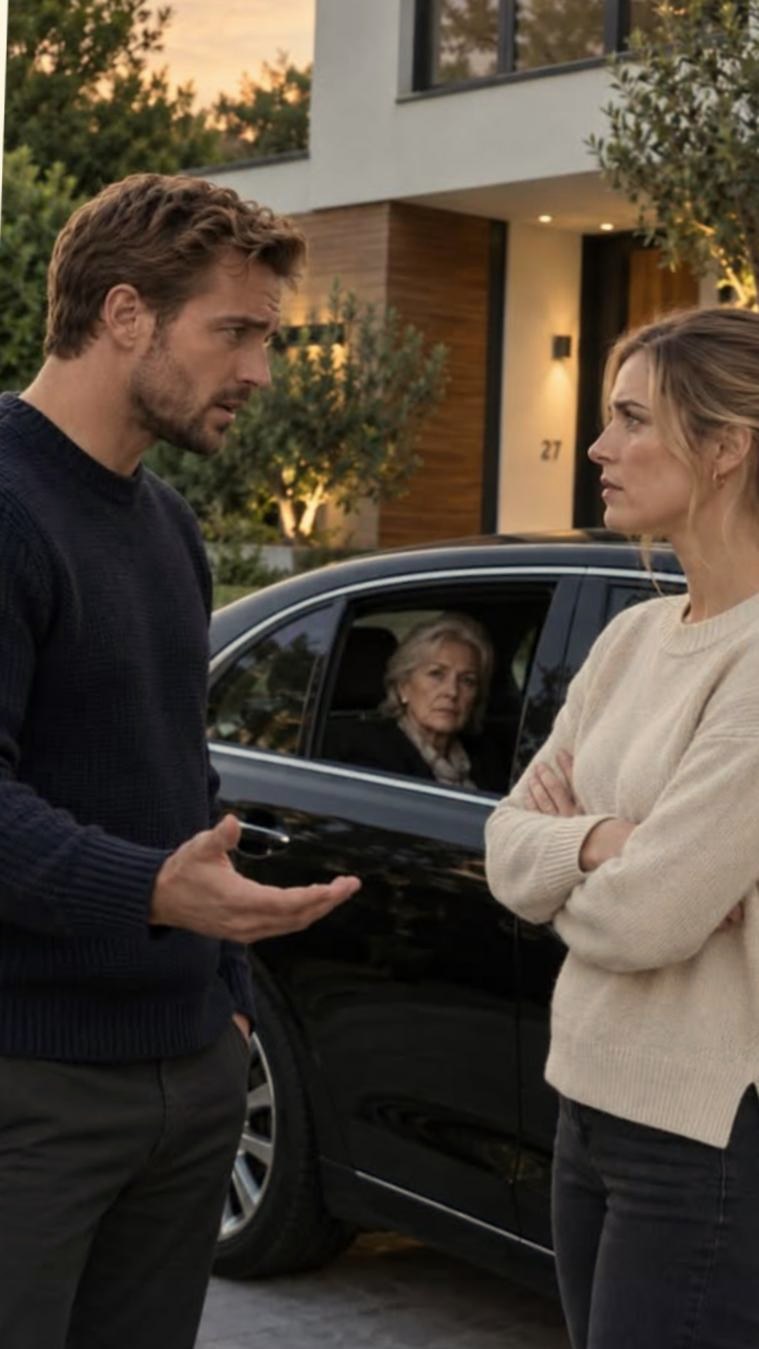

After Elene’s final words, such silence descended in the room that it seemed as though snow had piled up against the windows from outside.
The doorbell rang again.
Artyom did not move.
But Raisa Petrovna was not shouting for the first time. Her hands were pressed to her chest, and she was looking at her son as if she were seeing his face for the first time.
“Did you make this transfer?” she asked.
Artyom slowly raised his head.
“Not in the way you think.”
“That is not an answer.”
“I transferred the money to Mother’s account.”
The color left Raisa’s face.
“You said it was our savings.”
“I thought you would return it.”
“Me? Why should I have returned it?”
Elene looked toward the door.
“The child’s safety is the main thing now. The rest will be discussed later.”
The door opened and two workers entered. One held a small notebook, and the other held a baby bag.
“Who is the mother?” the woman asked.
“I am,” I said and pressed Mila to my chest.
That same little yellow bow was still on Mila’s head. It was already loose and had tilted to one side.
The woman looked at the child, then looked around the room.
“May I ask you a few questions?”
“Of course.”

Raisa quickly said:
“This woman is emotionally unstable. The child does not sleep all night, the house is chaotic, and she does not allow her husband to have contact with his child.”
I said nothing.
But Elene turned on the device.
Raisa’s voice sounded in the room again.
“If Veronica does not sign, we will take the child through the court.”
Then Artyom’s voice.
“Veronica is tired at night; she will break easily.”
Raisa closed her eyes.
Her own words circled around the room and slowly returned to her, like a stone that you threw at a wall and that finally flew back toward you.
“Turn this off!” she shouted.
“You said it yourself,” Elene answered calmly.
“I was angry.”
“Anger does not relieve you of responsibility.”
Artyom stood by the window. The city lights were visible outside, but he could not see them.
The second worker handed him a paper.
“Sir, this is a temporary restriction. Until the inspection is completed, no one may take the child without the mother’s consent.”
Artyom looked at the document.
“I am the father.”
“And that is exactly why you should have protected the child’s mother when pressure was being put on her,” the woman told him.
That sentence struck Artyom more strongly than any shouting.

Raisa picked up her bag.
“I will not stay in this house anymore.”
“That is your choice,” Artyom said.
“Will you choose your wife because of me?”
“No. I am choosing my child now.”
“It is too late.”
“I know.”
Raisa walked toward the door, but stopped at the threshold.
“Veronica, you had planned all of this.”
“No,” I answered. “I simply was no longer going to cover up your lies.”
“You will take my son away from me.”
“I am not doing that. You yourselves took him away from the place where he should have been.”
Raisa said nothing. The door closed.
Artyom remained in the kitchen.
His phone rang.
He looked at the screen.
“It’s my boss.”
“Answer.”
“I don’t know what to tell him.”
“Tell the truth for the first time.”

He answered the call.
“Yes, Mr. David… no, I made the transfer… yes, I know it could not be hidden… no, don’t contact my mother… I will explain…”
I stood behind him and listened.
A few minutes later he put down the phone.
“They temporarily dismissed me from work.”
“I understand.”
“Nika, please don’t leave.”
“I am still here.”
“But you are no longer with me.”
I could not answer that.
That night Artyom heard his own words from the outside for the first time. Elene played the recording to the end because she had to give a copy to the police.
“Veronica is tired at night; she will break easily.”
Artyom sat on a chair and covered his eyes.
“Did I say this?” he asked quietly.
“You did,” I answered.
“I did not want it to sound like that.”
“But that is how it sounded.”

“Mother was telling me that you would destroy the family.”
“And you believed her, because blaming me was easier than resisting her.”
He was silent for a long time.
The next morning, for the first time, I myself locked the apartment door behind Artyom.
I left his things in one small room. There was nothing of mine or Mila’s there anymore. Only his photograph remained on the bed, in which he was holding Mila and smiling as if that day would never end.
But one thing disturbed me most of all.
I found the yellow bow in the kitchen drawer. It had slipped from Mila’s head and had lain there all night.
When I picked it up, I realized how exhausting living in the past had been. I was always waiting for the next comment, the next uninvited visit, the next apology that never came.
In a few weeks the inspection was completed.
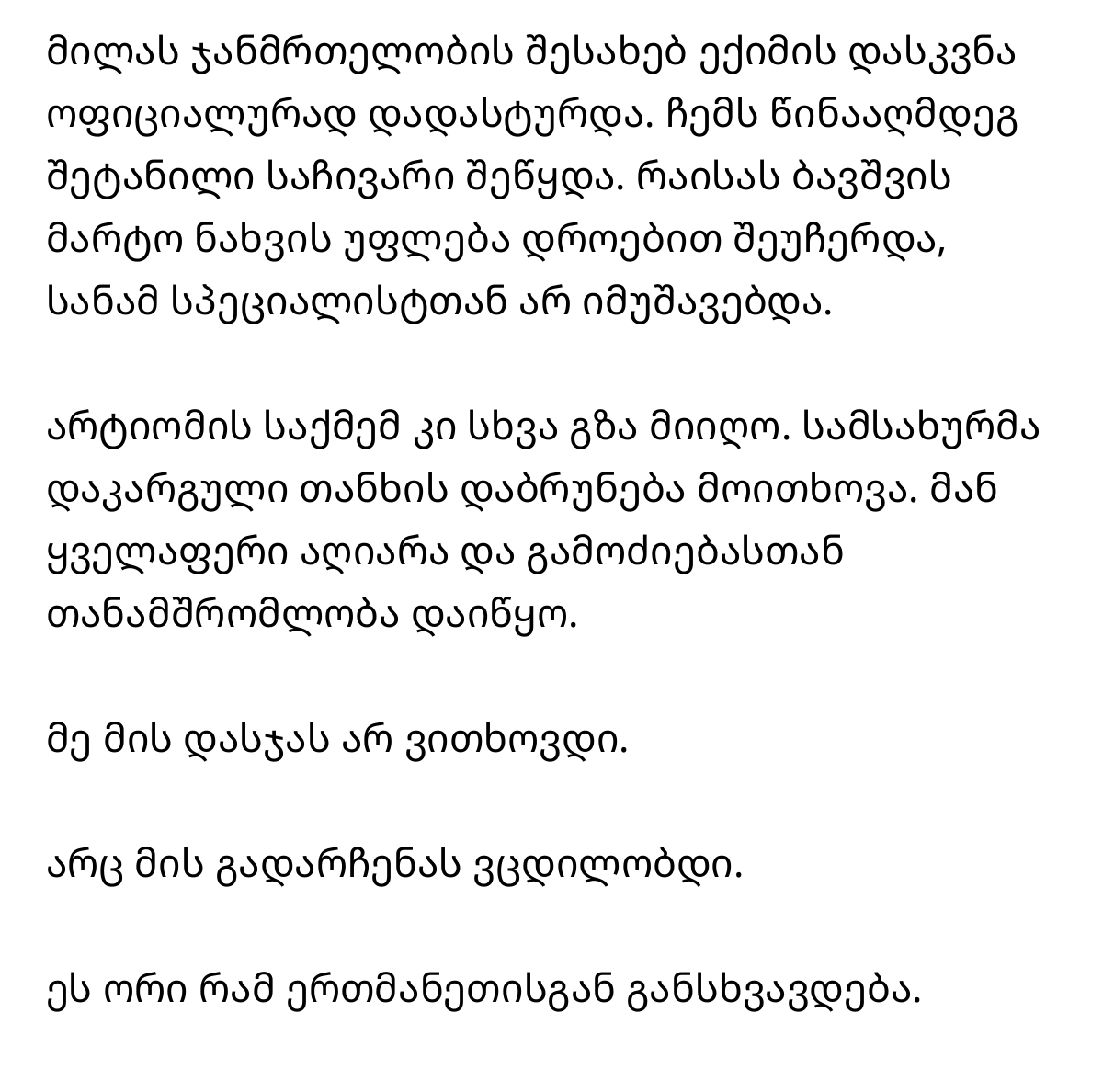
The doctor’s conclusion about Mila’s health was officially confirmed. The complaint filed against me was closed. Raisa’s right to see the child alone was temporarily suspended until she worked with a specialist.
Artyom’s case took another course. His workplace demanded the return of the missing money. He confessed everything and began cooperating with the investigation.
I did not ask for his punishment.
Nor did I try to save him.
These two things are different.
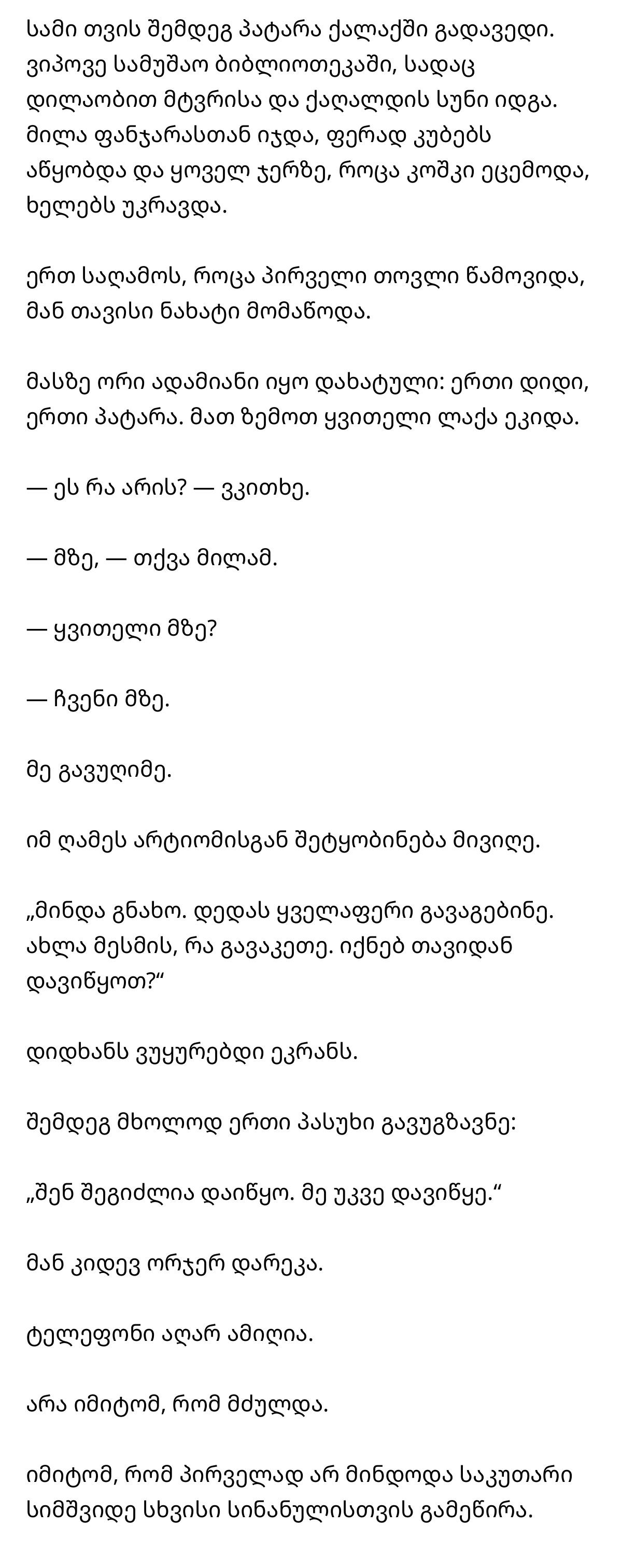

Three months later I moved to a small town. I found a job in a library, where the smell of dust and paper lingered in the mornings. Mila sat by the window, arranging colored cubes, and every time the tower fell, she clapped her hands.
One evening, when the first snow fell, she handed me her drawing.
Two people were drawn on it: one big, one small. Above them hung a yellow spot.
“What is this?” I asked.
“The sun,” Mila said.
“A yellow sun?”
“Our sun.”
I smiled at her.
That night I received a message from Artyom.
“I want to see you. I told Mother everything. Now I understand what I did. Maybe we can start over?”
I looked at the screen for a long time.
Then I sent only one reply:
“You can start. I have already started.”
He called two more times.
I did not answer the phone.
Not because I hated him.
Because for the first time I did not want to sacrifice my peace for someone else’s remorse.
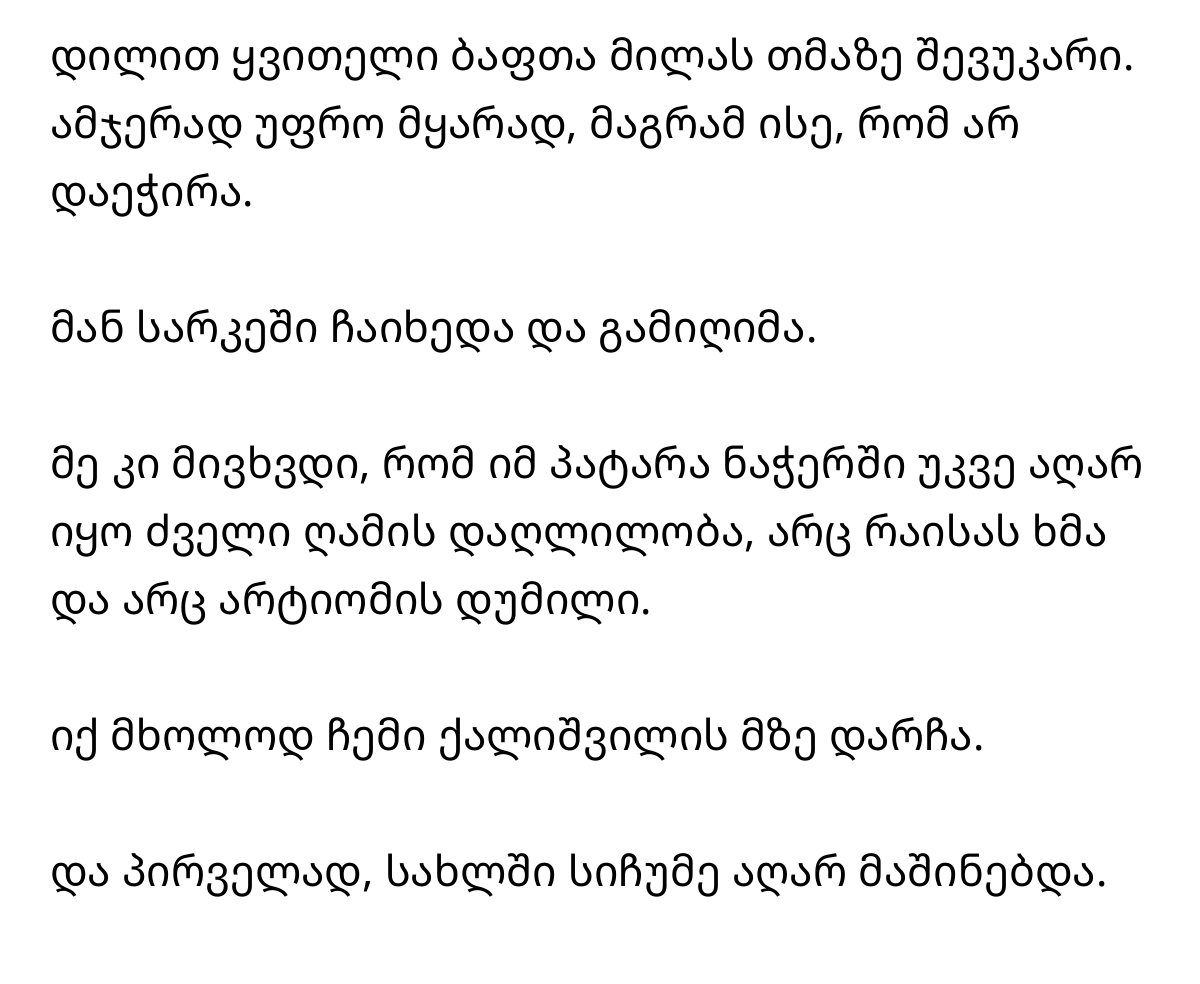

In the morning I tied the yellow bow into Mila’s hair. This time more firmly, but so that it would not pinch.
She looked in the mirror and smiled at me.
And I realized that in that little piece there was no longer the fatigue of the old night, nor Raisa’s voice, nor Artyom’s silence.
There remained only my daughter’s sun.
And for the first time, the silence in the house no longer frightened me.
Missed the beginning?
Related posts:
 My mother-in-law diminished my motherhood every day, but when I repeated her words, Artyom’s face suddenly turned pale
 When My Husband Insulted My Motherhood in Front of His Mother, One Calm Answer Froze Them Both in Place
 Mi suegra llegó con maletas y exigió mi apartamento, pero cuando mencioné los documentos, mi marido dejó de sonreír
 When They Considered Taking My Mother to the Doctor Humiliating, the Color Drained from My Husband’s Face and a Heavy Silence Fell over the Room
 When They Mocked My Mother’s Truth in the School Hall, the Admiral Saw My Name and Immediately Turned Pale
 I took my mother from the house, but when my brother opened her room with a duplicate key, the color drained from his face