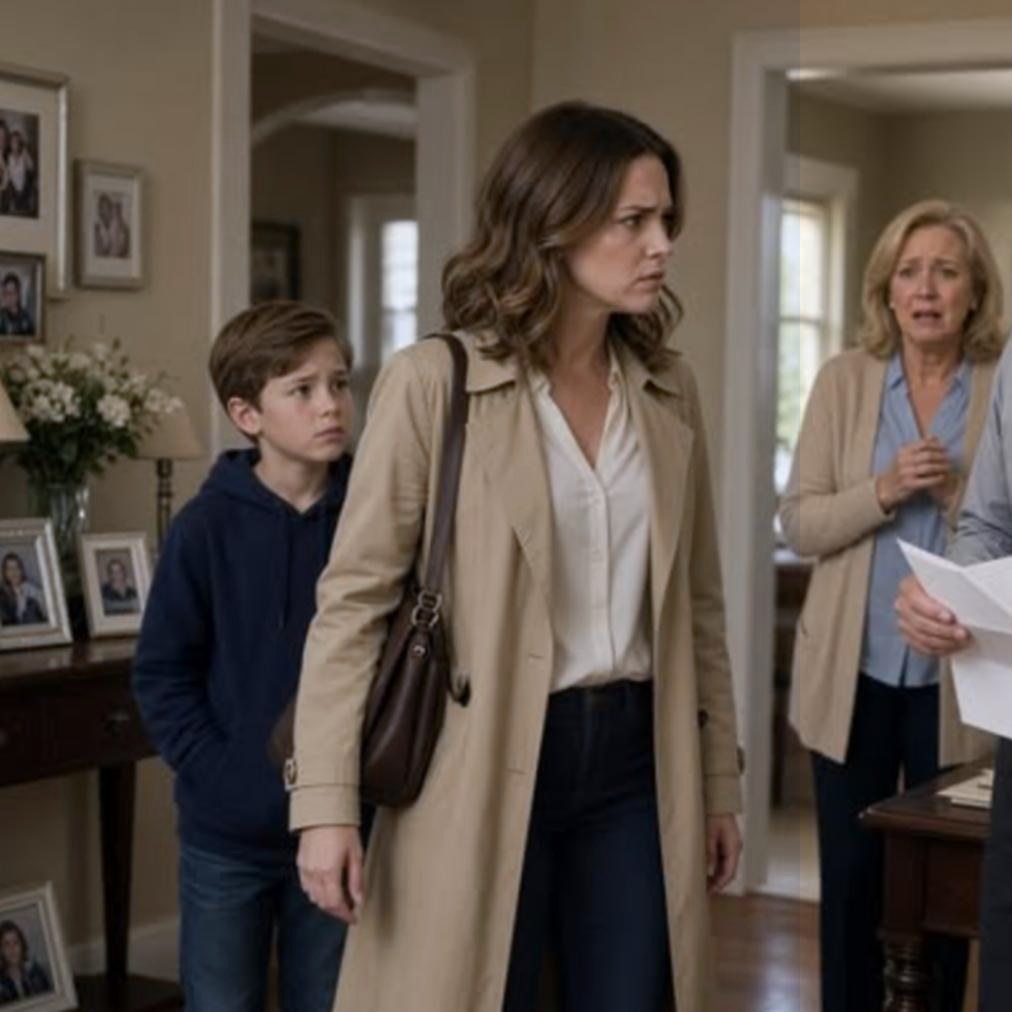

My father threw my travel bag onto the house’s veranda so hard that the zipper tore open, and a small silver music locket fell onto the floor.
“The clinic or the street,” he told me. “You have no other choice.”
I was nineteen years old, eleven weeks pregnant, and holding an ultrasound picture that Mother had torn from my hand a few minutes earlier and had almost ripped. A small white spot could be seen on the paper. But to me, it was already my child.
Mother, Diane, stood behind my father with her arms crossed over her chest.
“You have twenty-four hours to correct this mistake,” she said. “If you keep the baby, you will never set foot in this house again.”
Raindrops spread into small dark spots on the wooden floor of the veranda. And I felt such cold, as if I were standing not outside, but inside my own family.
“Dad, think before you do this,” I told him.
Robert snickered.
“You think you can warn me now?”
“I’m talking to you about Grandmother’s trust fund.”
Something changed on his face for a moment. Very quickly, but I saw it.
Six weeks earlier, after Grandmother Evelyn’s funeral, attorney Rachel Kim had handed me a folder. It said that this house and the shares in my father’s lumber business had been placed in a family trust. I did not understand most of the legal words, but one sentence stayed in my memory: forcibly evicting a beneficiary from the residence would trigger a review of the trustee’s rights.


At that, my father waved his hand dismissively.
“Grandmother left everything to me. You own nothing here.”
And now I told him:
“If you throw me out of the house, this will create problems for everyone. Call Rachel.”
Mother smiled bitterly.
“You got pregnant and suddenly became a lawyer?”
My father shoved my coat against my chest.
“You are an irresponsible child. You have no business here anymore.”
“Then call the attorney.”
“Are you speaking to me in your grandmother’s name?”
“No. In my child’s name.”
I looked at Mother.
“Are you really doing this?”
“You shamed us, Emma. Do not make it worse.”
That night I had eighty-seven dollars in my account, a broken bag, and the address of a friend who lived on the other side of town. The locket that had fallen out of the bag had been given to me by Grandmother when I was twelve. It was shaped like a small elephant and, when opened, played a quiet, two-note melody.
I picked it up from the floor.
“I will not get rid of my child,” I said.
My father clenched his teeth.
“Then leave this house.”
I left. I did not have an abortion. I never came back.

For ten years, they told relatives that I had simply “chosen a different life.” No one said that they had given me a choice: my child or their house.
They had never seen my son, Noah, either. Nor did they know that I left Grandmother’s locket beside his bed every night.
Three weeks before Noah’s tenth birthday, Rachel called me. At that time I was standing in the kitchen, measuring flour for a birthday cake.
“Emma, tell me whether you signed a document giving your father permission to take out a loan against the property?”
The spoon fell from my hand.
“Which document are you talking about?”
“That is exactly what I am trying to find out. There is a signature in your name. But you say you did not sign it.”
Ten days later, Noah and I were standing on my parents’ veranda. A cold wind moved the locket in my coat pocket. My father opened the door, looked first at my son, and then at the white envelope I was holding.
His smile disappeared.
I put the envelope on the entry table. He saw the name of the law firm. His fingers began to tremble.
“Robert, do not open it,” Mother said quietly.
But my father seized the envelope and slowly lifted the edge of the first sheet…


My father opened the envelope, and the moment he read the first line, his breath caught.
“Demand for the removal of the trustee and an immediate accounting.”
“What does that mean?” Noah asked.
“It is something you should ask your grandfather about,” I said.
“Which loan?” I asked my father.
Mother immediately stepped between us.
“Do not talk about this in front of Noah.”
“It is precisely in front of him that you should talk. Someone used my name.”
My father slapped the paper onto the table.
“This is a family matter.”
“No. It was a family matter until you needed to forge my signature.”
Rachel had sent me copies of the documents in advance. Six years earlier, my father had opened a six-hundred-and-forty-thousand-dollar line of credit secured by the house and the business shares. But the trust required the consent of every adult beneficiary.
On one of the sheets was my signature.
I had never seen it.
“You left on your own,” my father said.
“You told me to kill my child or leave.”
Noah fell silent. Mother lowered her head.

Then I took out another sheet. It said that no descendants of a member of the trust existed.
Noah was seven years old when this statement was approved.
Mother whispered:
“We had no choice.”
I looked at her.
“You had a choice. You simply did not choose me.”
My father shouted:
“Enough!”
But Mother could no longer stop.
“If the bank had known about Noah, they would not have given us the money,” she said.
The color drained from my father’s face.
Noah grabbed my hand.
“Mom, did they know that I existed?”
I had not yet answered, because at that very moment my phone rang. Rachel’s name appeared on the screen.
“Emma,” she said as soon as I answered, “do not stay in the house. We found a second document, and it already concerns the police…”
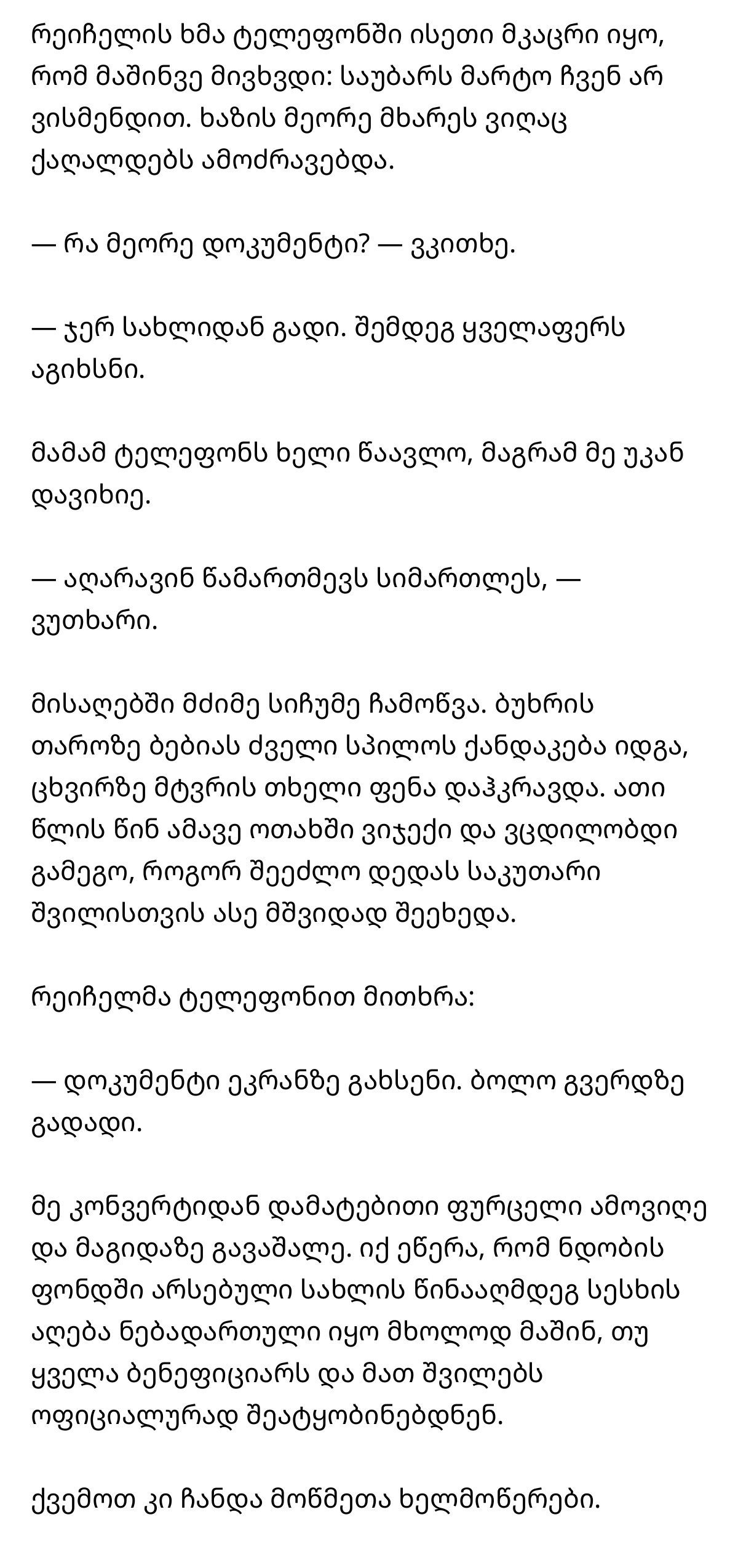

Rachel’s voice on the phone was so stern that I immediately understood: we were not the only ones listening to the conversation. Someone on the other end was moving papers.
“What second document?” I asked.
“Leave the house first. Then I will explain everything.”
My father reached for the phone, but I stepped back.
“No one will take the truth away from me again,” I said.
A heavy silence fell over the living room. An old elephant figurine of Grandmother’s stood on the mantel, covered by a thin layer of dust on its trunk. Ten years earlier, I had sat in this same room and tried to understand how Mother could look at her own child so calmly.
Rachel told me over the phone:
“Open the document on the screen. Go to the last page.”
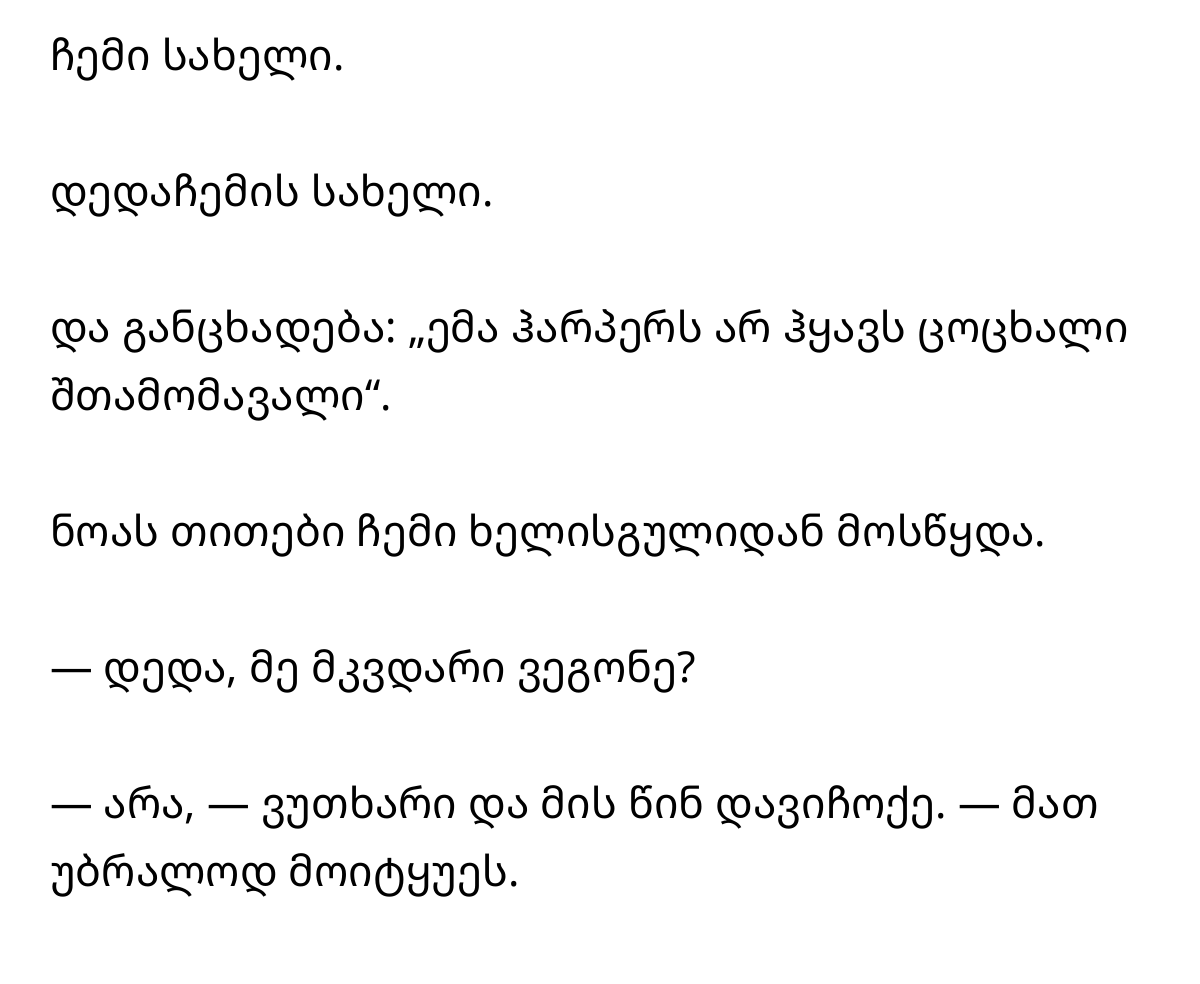
I took an additional sheet from the envelope and spread it on the table. It said that taking out a loan against the house in the trust was permitted only if all beneficiaries and their children were officially notified.
Below were the witnesses’ signatures.
My name.
My mother’s name.
And the statement: “Emma Harper has no living descendants.”
Noah’s fingers slipped from my palm.
“Mom, did they think I was dead?”
“No,” I said, kneeling before him. “They simply lied.”

Mother covered her face with her hands.
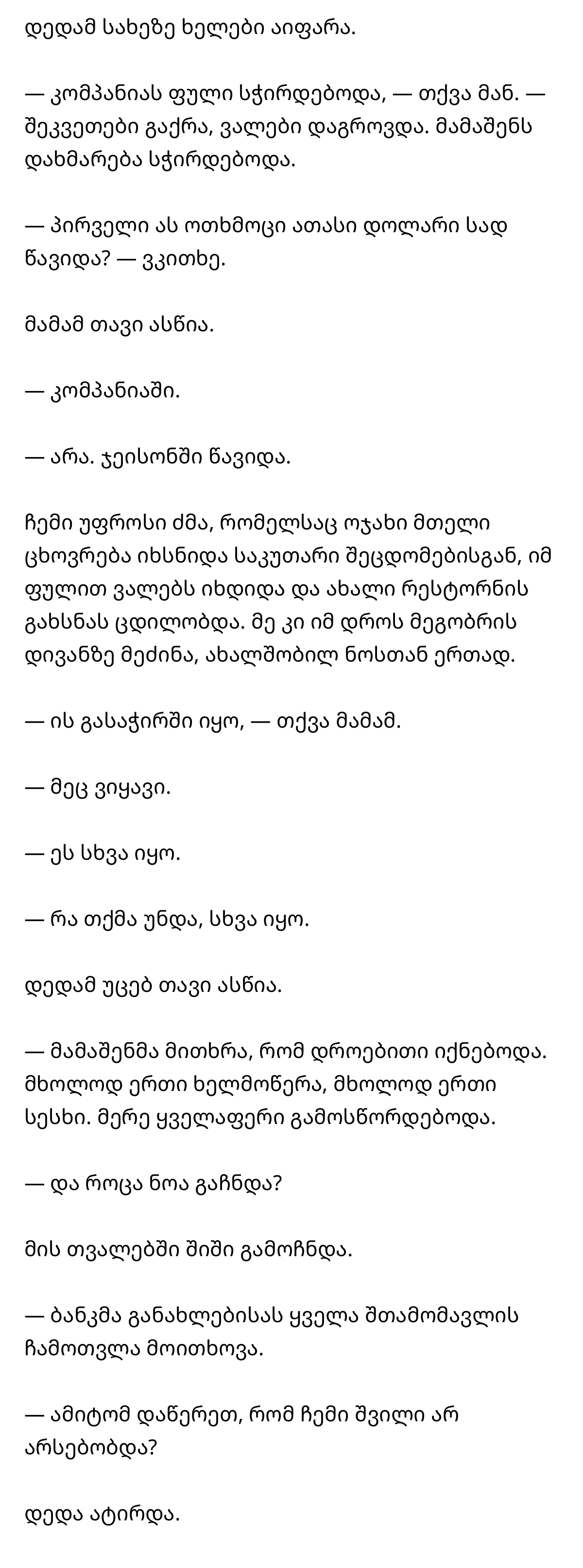
“The company needed money,” she said. “The orders disappeared, debts accumulated. Your father needed help.”
“Where did the first one hundred and eighty thousand dollars go?” I asked.
My father raised his head.
“Into the company.”
“No. It went to Jason.”
My older brother, whom the family had spent his whole life rescuing from his mistakes, used that money to pay debts and tried to open a new restaurant. And at that time I was sleeping on a friend’s couch with newborn Noah.
“He was in trouble,” my father said.
“So was I.”
“That was different.”
“Of course it was different.”
Mother suddenly raised her head.
“Your father told me it would be temporary. Just one signature, just one loan. Then everything would be fixed.”
“And when Noah was born?”
Fear appeared in her eyes.
“When renewing it, the bank demanded that all descendants be listed.”
“So you wrote that my child did not exist?”
Mother began to cry.
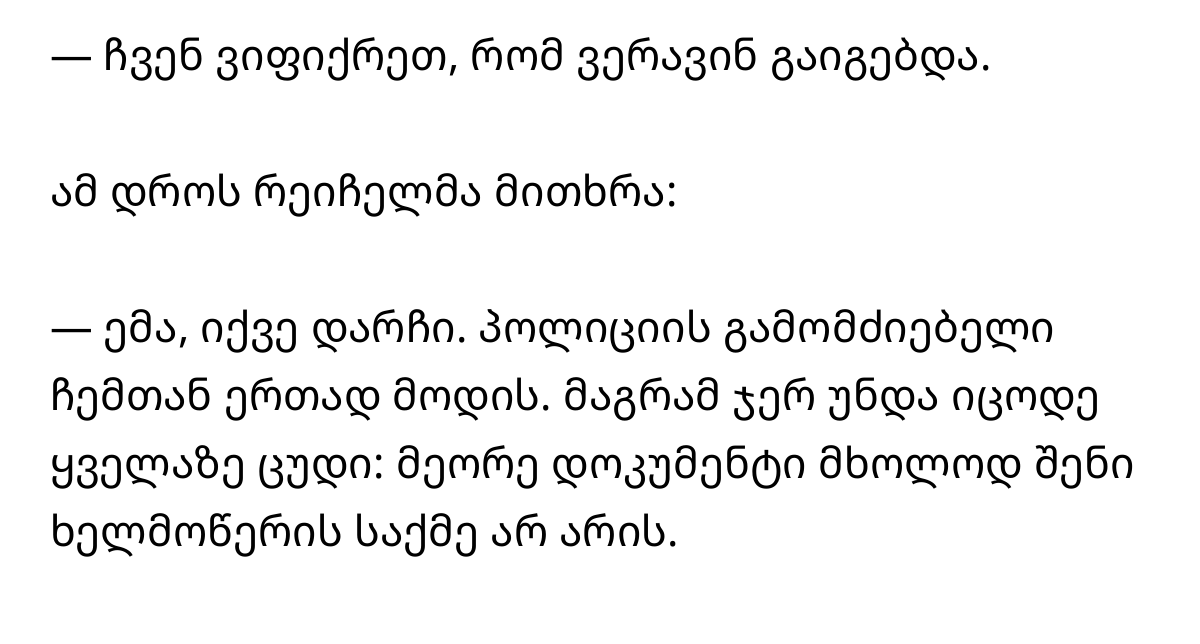
“We thought no one would find out.”
At that moment Rachel told me:
“Emma, stay there. A police investigator is coming with me. But first you need to know the worst: the second document is not only about your signature.”
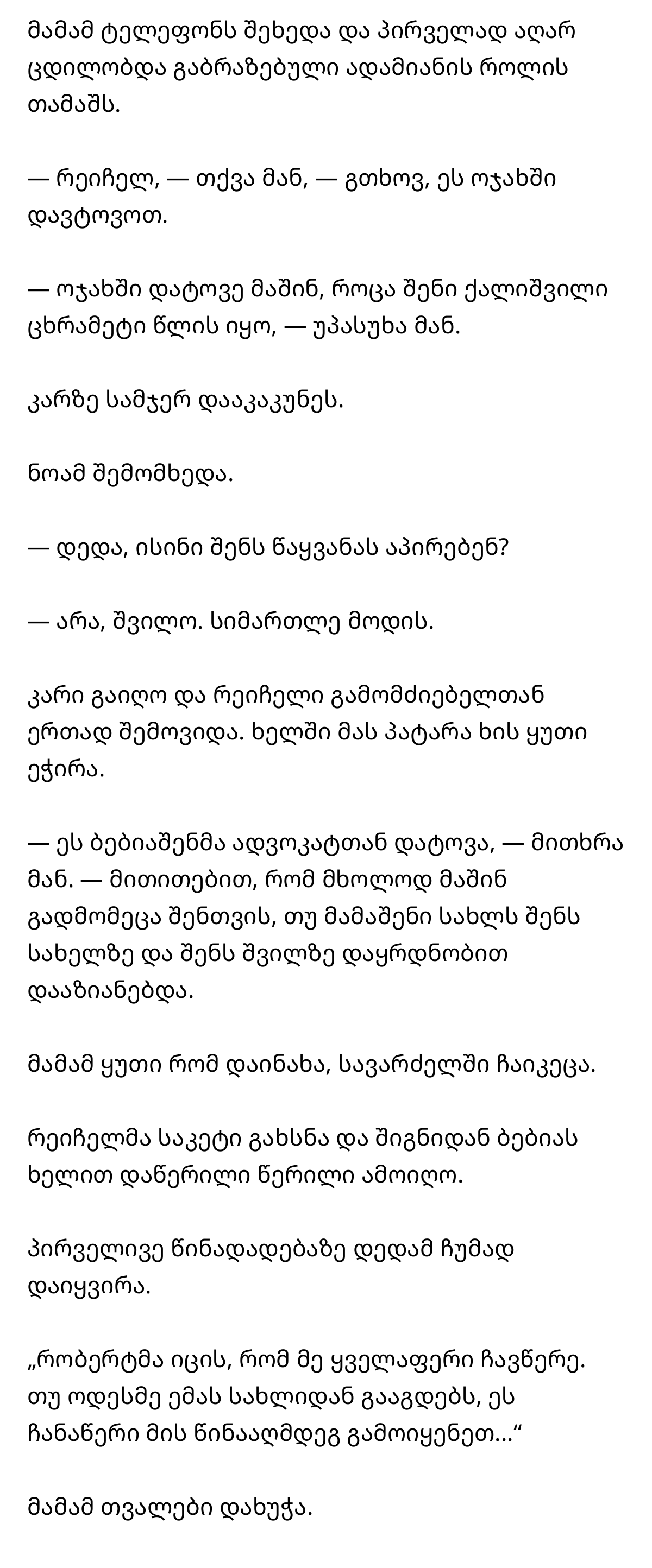
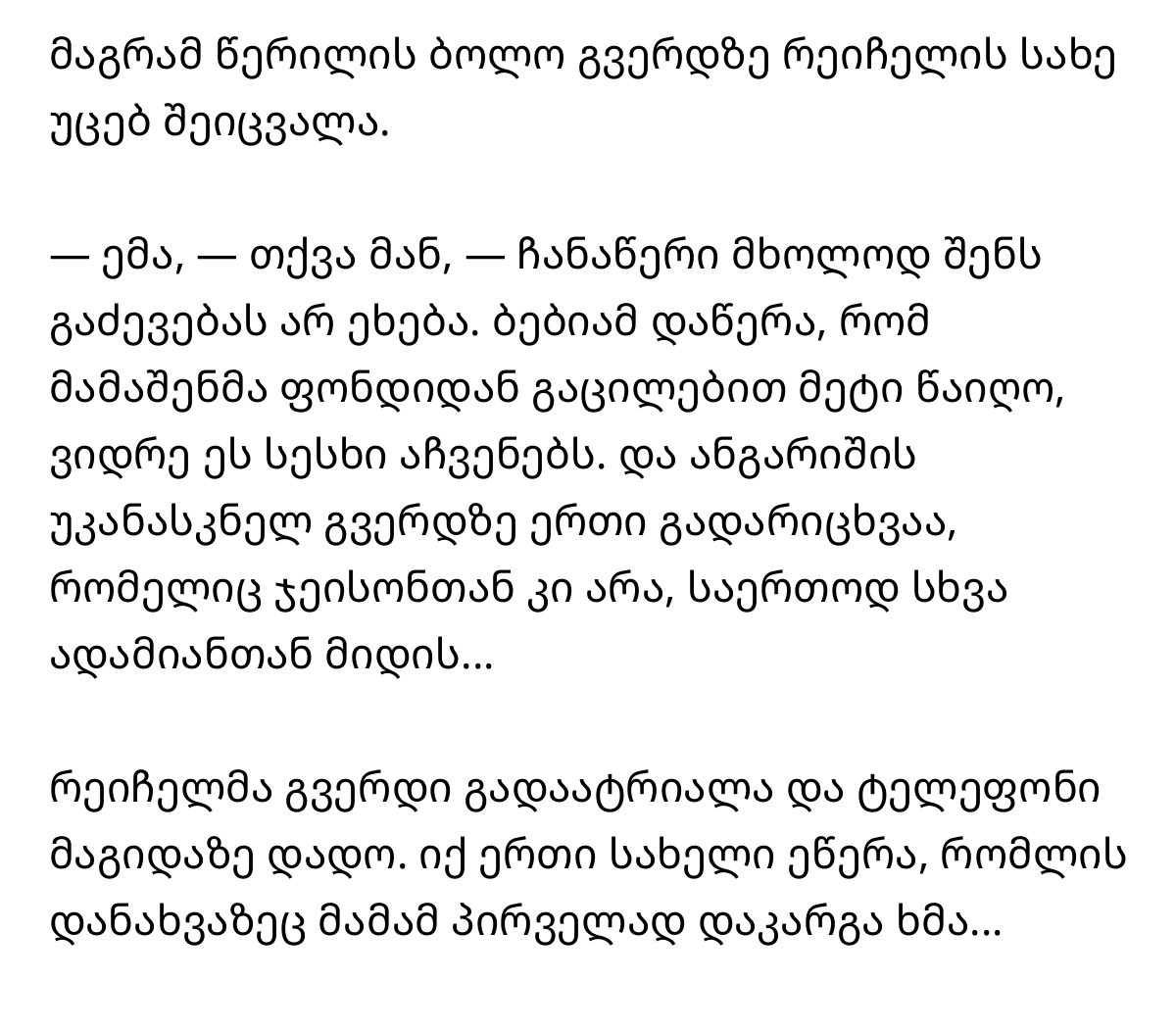

My father looked at the phone and, for the first time, was no longer trying to play the role of an angry man.
“Rachel,” he said, “please, let us keep this within the family.”
“Keep it within the family when your daughter was nineteen,” she replied.
Someone knocked on the door three times.
Noah looked at me.
“Mom, are they going to take you away?”
“No, son. The truth is coming.”
The door opened, and Rachel came in with the investigator. In her hand she held a small wooden box.
“Your grandmother left this with the attorney,” she told me. “With instructions that it be given to you only if your father damaged the house based on your name and your child.”
When my father saw the box, he collapsed into the armchair.
Rachel opened the lock and took out a letter written in Grandmother’s hand.
At the very first sentence, Mother gave a quiet cry.
“Robert knows that I recorded everything. If he ever throws Emma out of the house, use this recording against him…”
My father closed his eyes.
But on the last page of the letter, Rachel’s expression suddenly changed.
“Emma,” she said, “the recording is not only about your being thrown out. Grandmother wrote that your father took much more from the trust than this loan shows. And on the last page of the account there is a transfer going not to Jason, but to an entirely different person…”
Rachel turned the page and placed the phone on the table. One name was written there, and when my father saw it, he lost his voice for the first time…
მამამ საკუთარი სიტყვები პირველად მოისმინა…
მეგონა, სიმართლე მხოლოდ ძველ ჭრილობას გახსნიდა. მაგრამ ფინალმა დამანახა, ვის ეკუთვნოდა ჩემი მომავალი.
„ზოგჯერ ოჯახიდან წასვლა გაქცევა კი არა, საკუთარი ოჯახის შექმნის დასაწყისია.“
ნოა ჩუმად ჩამეხუტა.
😱 გაიგეთ, რას მალავდნენ ისინი →
👇 ისტორიის ფინალი უკვე გახსნილია
Related posts:
 They Refused to Let Their Son Go on the Family Trip, but When They Returned, They Lost Color at the Sight of Him at the Table
 My Six-Year-Old Daughter Quietly Warned Me Before I Flew Away, and the Smile Suddenly Disappeared from My Wife’s Face
 My Parents Were Celebrating Selling Their Eleven-Year-Old Granddaughter’s Cello, but Grandma Opened a Folder and Father’s Face Changed
 When They Mocked My Mother’s Truth in the School Hall, the Admiral Saw My Name and Immediately Turned Pale
 Father Left Houses to My Brothers, but Burdened Me with Mother’s Life — Yet My Brother’s Smile Suddenly Disappeared
 My father promised my house and car to my sister as an inheritance, but the morning call immediately erased his smile