
Part 4
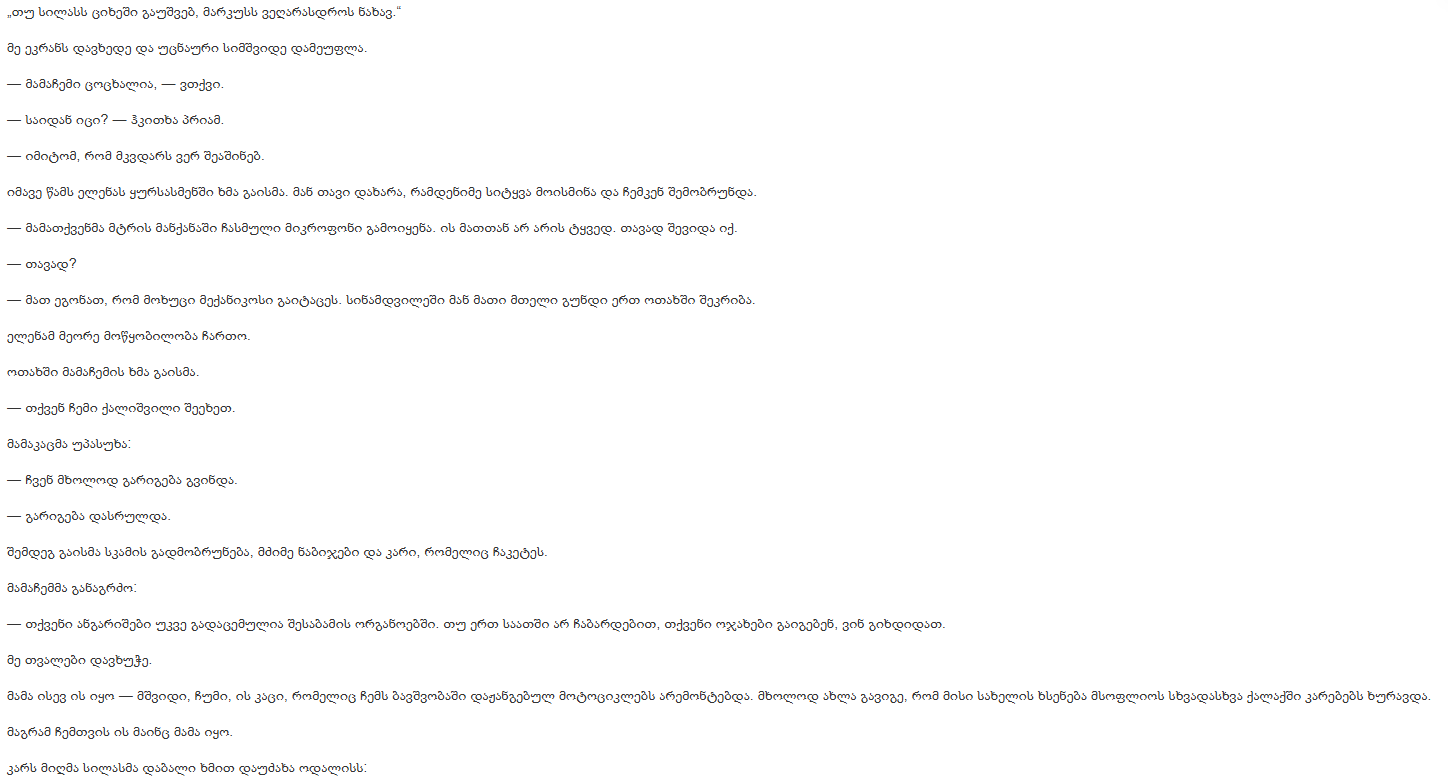
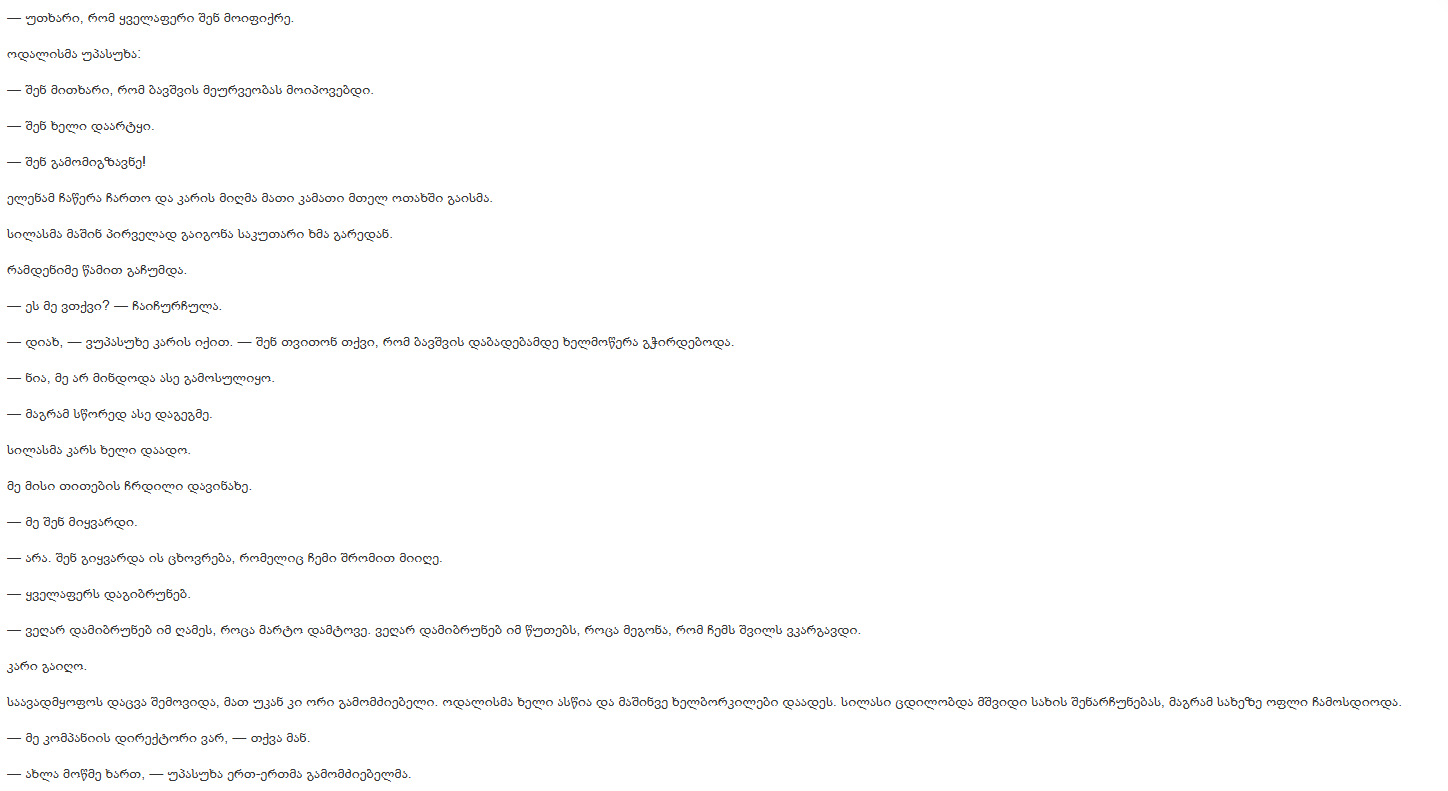
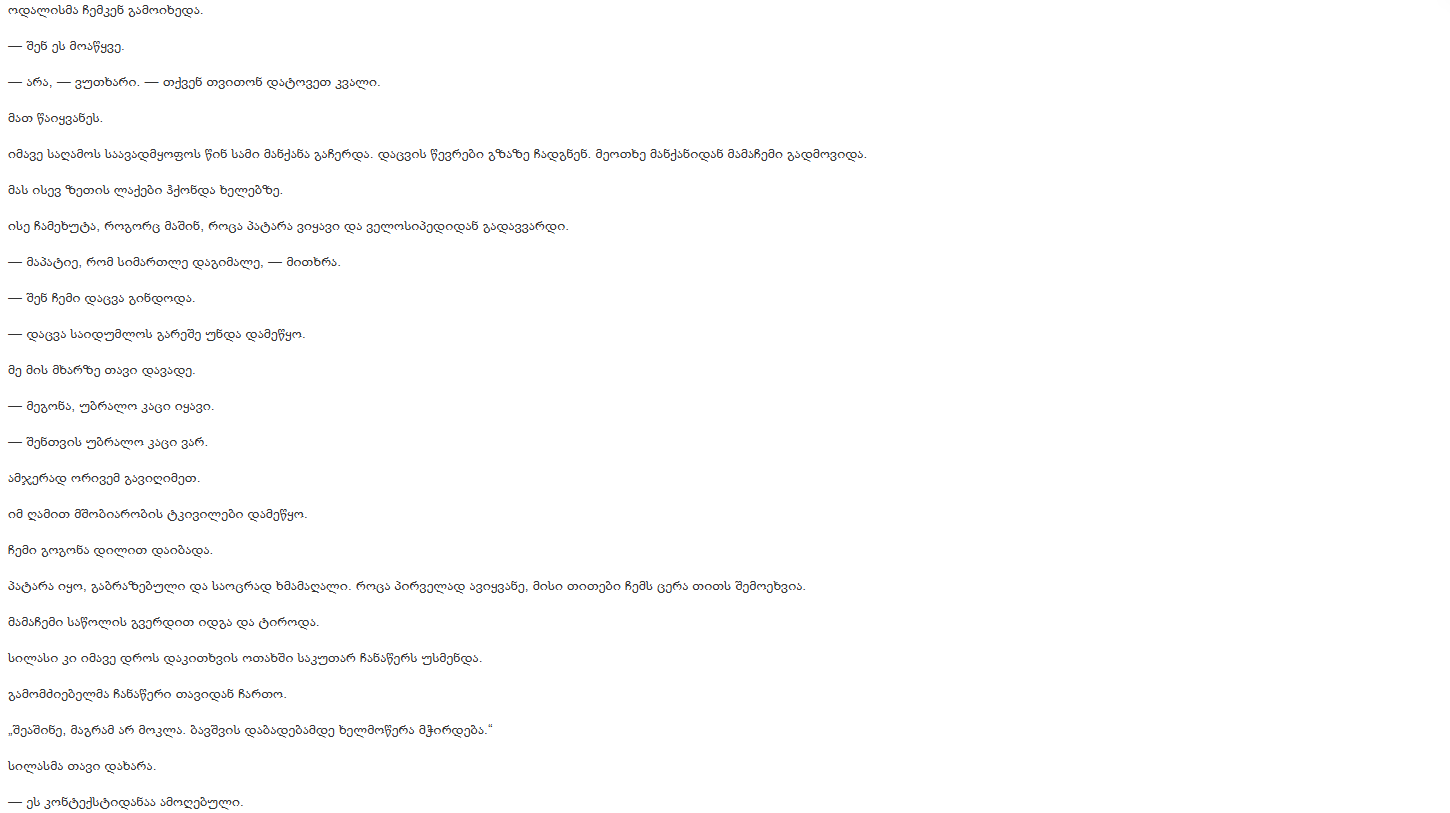
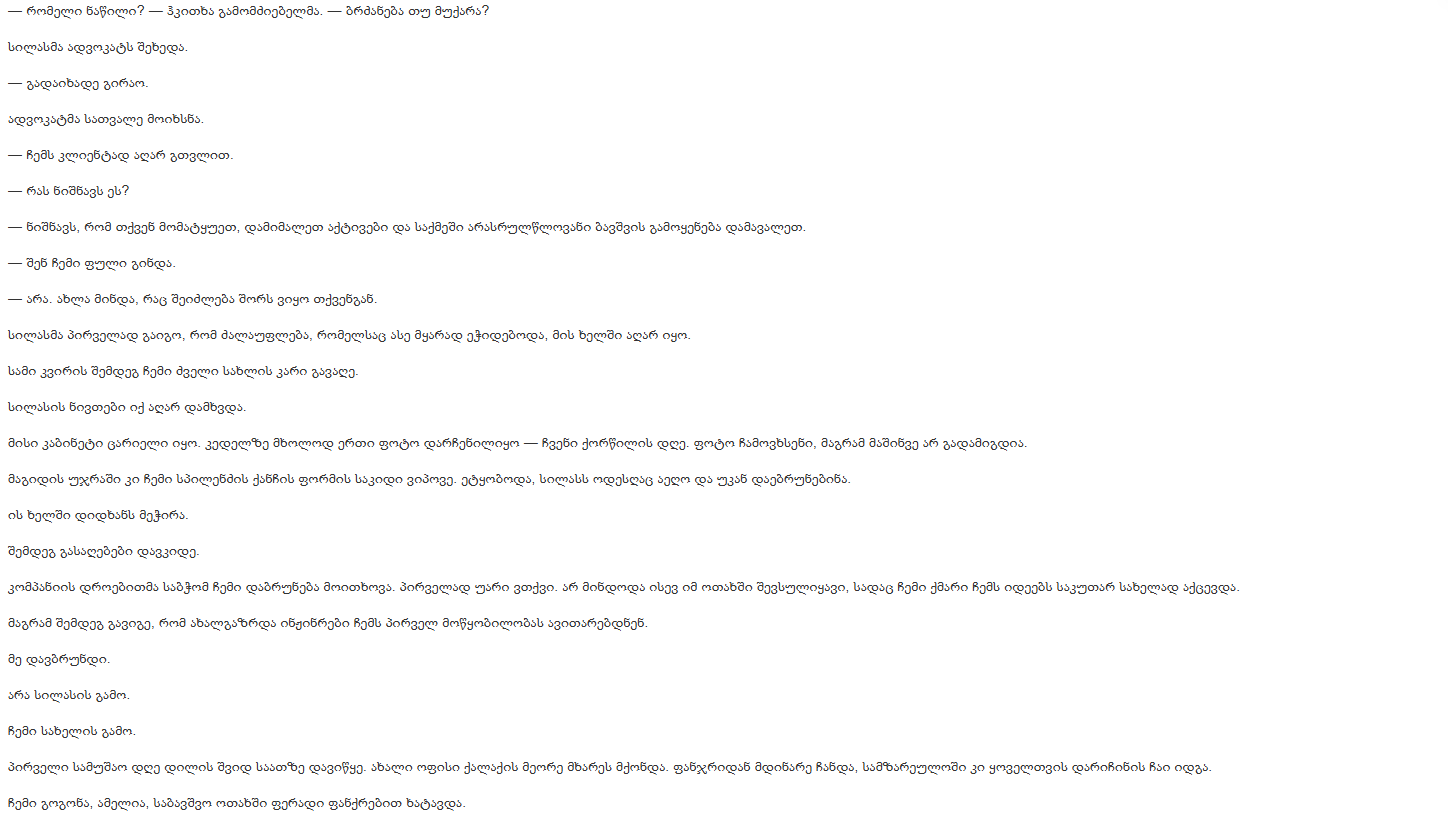
For a few seconds after my father’s final words, the only sound in the room was the heartbeat monitor.
Then footsteps echoed wildly down the hallway.
Elena raised her hand.
— “Nobody move.”
Silas was still shouting beyond the door, but his voice sounded increasingly distant. Someone cut the lights in the hospital corridor. Red emergency beacons flickered to life, casting shifting shadows across the walls.
Priya raised the window blinds slightly.
— “There are three black cars below.”
— “My father’s men?” I asked.
— “No,” Elena said. “Those are Marcus’s enemies.”
My heart hammered so hard it felt as though the fetal monitor were tracking my own pulse.
The phone rang again.
It was Silas’s attorney.
Elena answered and switched to speakerphone.
— “Mrs. Osei, your condition is severe. Your husband is prepared to pay you five million if you make those recordings disappear.”
— “Where is my father?”
— “I strongly advise you not to get involved in that matter.”
— “Then speak to my lawyer.”
— “I am your lawyer.”
— “Not anymore.”
Elena disconnected the call.
Less than a minute later, a text message arrived from the same number:
“If you send Silas to prison, you will never see Marcus again.”
I looked down at the screen, and a strange sense of calm washed over me.
— “My father is alive,” I said.
— “How do you know?” Priya asked.
— “Because you can’t threaten a dead man.”
At that exact second, a voice crackled through Elena’s earpiece. She lowered her head, listened to a few words, and turned toward me.
— “Your father used a microphone planted inside the enemy’s vehicle. He isn’t their captive. He walked in there voluntarily.”
— “Voluntarily?”
— “They assumed they were kidnapping an aging mechanic. In reality, he gathered their entire team in one room.”
Elena switched on a second receiver device.
My father’s voice filled the room.
— “You touched my daughter.”
A man’s voice answered:
— “We just want a deal.”
— “The deal is over.”
Then came the sound of a chair overturning, heavy footsteps, and a door locking tight.
My father continued:
— “Your accounts have already been transferred to the appropriate authorities. If you don’t surrender within the hour, your families will learn who was paying you.”
I closed my eyes.
Dad was still himself—calm, quiet, the man who used to repair rusted motorcycles during my childhood. Only now did I realize that the mere mention of his name closed doors across cities worldwide.
Yet to me, he was still just my dad.
Beyond the door, Silas called out to Odalis in a low voice:
— “Tell them you came up with the whole thing.”
Odalis fired back:
— “You told me you would get custody of the child.”
— “You hit her!”
— “You sent me!”
Elena switched on the live recording, and their argument echoed loudly throughout our room.
For the first time, Silas heard his own voice from the outside.
He went quiet for a few seconds.
— “Did I say that?” he whispered softly.
— “Yes,” I answered through the door. “You said it yourself—that you needed the signature before the baby was born.”
— “Nia, I didn’t want it to end like this.”
— “Yet that’s precisely how you planned it.”
Silas placed his hand against the door.
I saw the shadow of his fingers through the glass.
— “I loved you.”
— “No. You loved the life my hard work bought you.”
— “I’ll give it all back to you.”
— “You can’t give back the night you left me alone. You can’t give back the moments I thought I was losing my child.”
The door swung open.
Hospital security units entered, followed by two investigators. Odalis raised her hands, and handcuffs were placed on her immediately. Silas tried to maintain a composed expression, but sweat beaded across his forehead.
— “I am the CEO of this company,” he asserted.
— “Now you are a witness,” one of the investigators replied.
Odalis looked over at me.
— “You set this up.”
— “No,” I told her. “You left the trail yourself.”
They led them away.
That evening, three vehicles pulled up in front of the hospital. Security personnel stationed themselves along the walkway. My father stepped out of the fourth car.
He still had oil smudges on his hands.
He embraced me just as he did when I was a little girl falling off my bicycle.
— “Forgive me for hiding the truth from you,” he said gently.
— “You wanted to protect me.”
— “Protection should have started without secrets.”
I rested my head against his shoulder.
— “I thought you were just an ordinary man.”
— “To you, I am an ordinary man.”
For the first time, we both smiled.
My labor began that night.
My baby girl was born early the following morning.
She was small, feisty, and remarkably loud. When I held her for the first time, her tiny fingers wrapped tightly around my thumb.
My father stood beside the bed, tears in his eyes.
At that same hour, Silas sat in an interrogation room listening to his own recording.
The investigator played the file from the beginning:
“Scare her, but don’t kill her. I need that signature before the baby is born.”
Silas lowered his head.
— “That is taken out of context.”
— “Which part?” the investigator asked. “The order, or the threat?”
Silas looked over at his attorney.
— “Post bail.”
The lawyer removed his glasses.
— “I no longer consider you my client.”
— “What is that supposed to mean?”
— “It means you lied to me, concealed assets, and instructed me to involve a minor child in this case.”
— “You want my money.”
— “No. Right now, I want to be as far away from you as possible.”
Silas realized for the very first time that the power he clutched so tightly had completely slipped through his fingers.
Three weeks later, I unlocked the front door of my old house.
Silas’s belongings were gone.
His study stood completely empty. A single photograph remained on the wall—our wedding day. I took it down, but didn’t throw it away immediately.
Inside a desk drawer, I found my brass wrench pendant. Apparently, Silas had taken it at some point and returned it.
I held it in my palm for a long time.
Then I clipped it to my key ring.
The company’s interim board requested my return. I initially declined; I didn’t want to step back into the rooms where my husband turned my creations into his own name.
Then I learned that young engineers were developing my original device design.
I returned.
Not for Silas.
For my own name.
I started my first workday at seven in the morning. My new office was located on the other side of town, overlooking the river, with cinnamon tea brewing in the kitchen.
My daughter, Amelia, drew with colored pencils in the nursery.
She was five months old when she smiled at the sound of my voice for the first time.
At eight months, she drew three figures on a small piece of paper—me, herself, and my father. In the center was a large yellow circle.
— “What is that?” I asked her.
— “Sun,” she babbled back in her baby sounds.
I taped the drawing to the refrigerator door.
My father visited once a week, parking his truck in the driveway and crafting small wooden toys for Amelia.
He still smelled of machine oil.
Only now, that scent no longer meant secrets.
It meant home.
Six months later, a letter arrived from Silas:
“Nia, I know I destroyed everything. If you meet with me just once, I’ll explain.”
I read the letter to the end.
Then I wrote back a single reply:
“I don’t need explanations anymore. You’ve already told me everything.”
Elena informed me that Silas entered a partial guilty plea in court. Odalis struck a plea bargain and testified. My father’s enemies were apprehended before they could pose a threat to his family.
I wished suffering upon none of them.
I simply no longer intended to save my peace at their expense.
One evening during the winter’s first snowfall, Amelia sat on my lap as white flakes brushed against the windowpane.
She reached out and touched my key ring.
— “Is this yours?” she asked.
— “Your grandfather gave it to me.”
— “Is it a wrench?”
— “Yes. When something breaks, you repair it. But if someone breaks it intentionally, you aren’t always obligated to fix it for them.”
Amelia didn’t understand yet; she was still too young.
Instead, she rested her head gently against my chest.
My phone rang.
It was Silas.
I looked down at the screen and declined the call.
He called a second time.
This time, a text message followed:
“Nia, I just want to know that the baby is alright.”
I stared at the screen for a long moment.
Then I typed:
“The baby is fine. I am fine too. Do not contact me again.”
I paused my finger over the send button for just a second.
Then I sent it.
I walked over to the window, holding the brass pendant in my palm as it gleamed warmly in the snowy light.
Once, I believed I had to repair everything to save my family.
Now I knew—sometimes, salvation means letting go of the person who broke your life on purpose.
Amelia laughed softly behind me.
I turned off the light.
And for the very first time, the quiet held no fear—only peace.
Missed the beginning?
← Read the story from part one
Related posts:
 In my eighth month of pregnancy, my husband locked me out of the hospital, but after a single phone call, the smile vanished from his mistress’s face.
 My parents wanted to throw my belongings out into the yard and keep my child, but the smile vanished from my father’s face the moment I gave my answer.
 My parents demanded twenty thousand dollars from my husband, then his quiet condition made my father stop smiling
 After the divorce, I changed my cards, and that very evening, a waiter smiled at my ex-husband while serving his table and looked at his face.
 I overheard my husband choose his mistress over my hospital call, then one quiet question made his smile disappear
 When my husband’s family broke my leg and my husband told me to submit, the smile vanished from his face three days later.