
That evening, in my mother’s kitchen, a three-year-old child was reaching toward a pot of boiling pasta, while my mother clung to the table in pain.
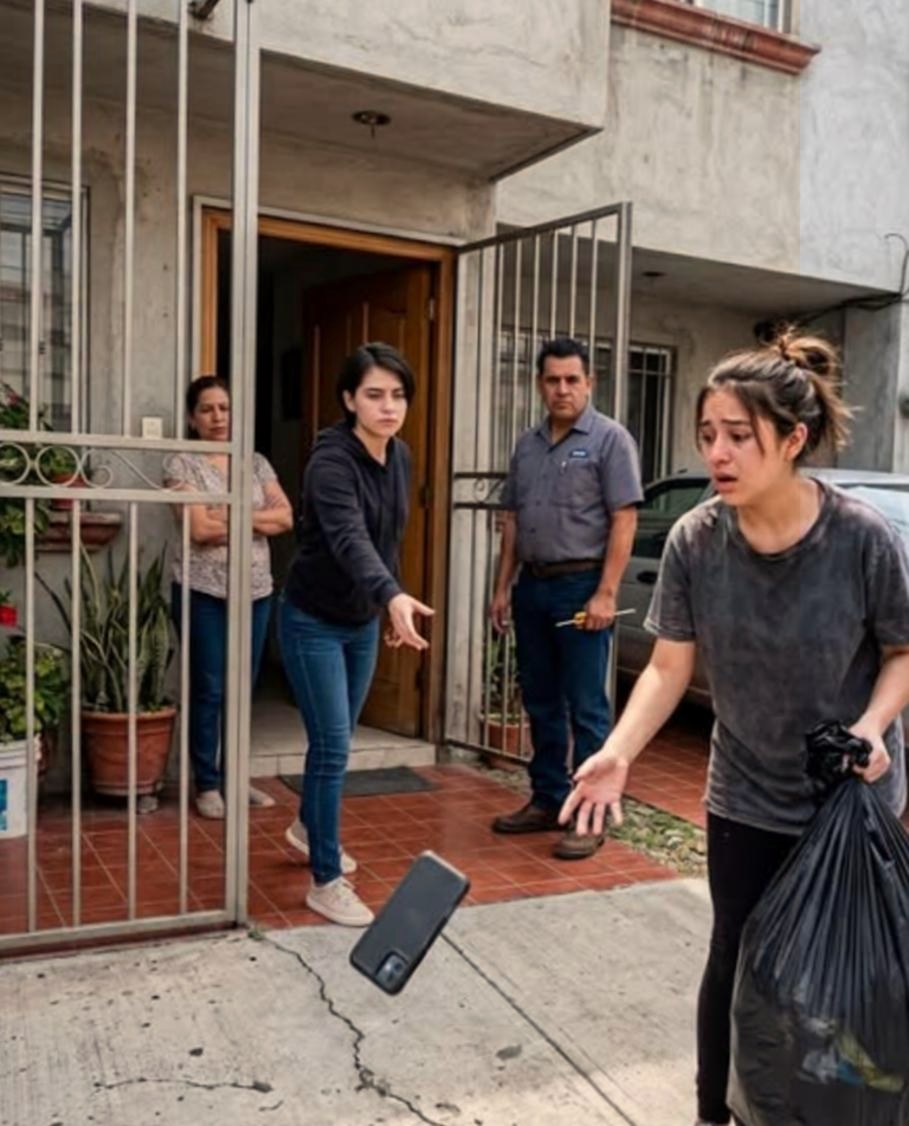
It was Tuesday, and it was nearly six in the evening. Work ended unexpectedly early, and on the way I bought chicken soup and freshly baked bread for my mother. There was a car in front of her house, but when I knocked on the door, no one opened it. The door turned out to be unlocked.
Something heavy fell inside.
“Why did you destroy my fortress?” the child shouted.
“It was in my way!” the other one answered.
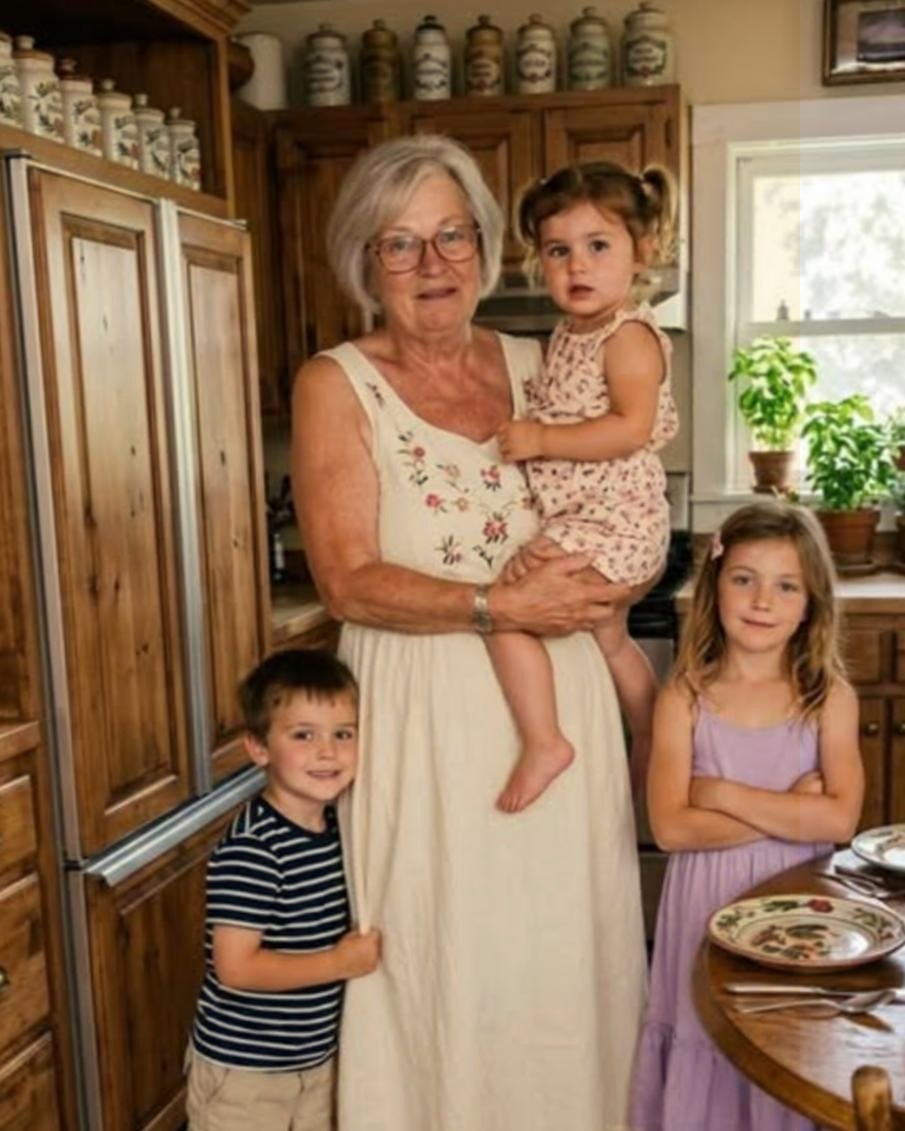
I rushed into the kitchen and froze. Eight-year-old Jasper was hiding behind the table and clutching a broken plastic tower to his chest. Five-year-old Millie was crying beside the wooden blocks. Two-year-old Teddy was standing on a chair and reaching toward the pot.
My mother, Lenette, stood between them. One hand was pressed to her waist, while the other was suspended in the air, as if she could not decide whether to calm the crying child first, put out the fire, or save the little one.
Crumbs of cereal lay on the floor. Bread was burning in the oven. Wet clothes were turning in the washing machine. On the windowsill stood my mother’s small copper lemon-shaped timer, which chimed once every ten minutes. That day it was ringing continuously.
“Mom, what is happening here?”
“Turn off the stove first, Kala, please,” she said with difficulty.
I picked Teddy up, moved the pot off the heat, and opened the oven. The edges of the bread had darkened like charcoal.
“When did Sloan bring the children?”

My mother slowly sat down on a chair. Her face tightened from pain.
“In the morning, after seven.”
“In the morning? It is six in the evening now.”
“She said she would leave them for one hour.”
I picked up my mother’s phone from the table. There were five missed calls to Sloan. The last message read: “My back hurts more and more. Please tell me when you will come.”
The reply had arrived almost two hours later.
“Don’t worry. I told you, I’ll come when I have time.”
No apology. No question about whether the children had eaten.
“Does this happen often?” I asked.
My mother rubbed her hands together.
“Not that often.”
“Mom.”
“Two or three times a week.”
“And today?”
“It has probably been four days since she came. She always says she will return soon.”
“Where does she go herself?”

My mother looked toward the hallway.
“To training. Shopping. To friends. Sometimes even to the doctor.”
“Why do you agree?”
“Sometimes I do not agree.”
“Then?”
“The children are already at the door. Their bags are on their backs. She tells me, ‘What should I do with them now, leave them in the street?’”
Then I understood: Sloan was not asking my mother for help. She was using the children as a shield so that it would become impossible for my mother to say no.
I poured the soup into bowls. The children began eating. I placed a warm compress on my mother’s back and cleaned the kitchen.
At twenty minutes past seven, the door opened as if the house belonged to Sloan. She entered in sports clothes, holding three shopping bags.
“Children, get dressed, we’re leaving,” she called.
Then she saw me.
“Ah, Kala.”
“Where were you?”
“Outside.”
“Your children were here for more than twelve hours.”
“I asked Lenette to keep them.”

“You asked her for one hour.”
“I was late.”
“Mom called you five times.”
“I had my phone in a locked cabinet.”
“All day?”
Sloan rolled her eyes.
“Why are you making such a big deal? We are family.”
My mother stood up to get the children’s coats and immediately clung to the table.
“She can barely stand,” I said.
“She looks fine,” Sloan replied.
“The doctor told her not to lift anything heavy.”
“Teddy is not heavy.”
“He weighs fourteen kilograms.”
“He loves his grandmother.”
“Love does not replace safety.”
Sloan crossed her arms.
“I did not leave them with a stranger. She is their grandmother.”
“Being a grandmother does not mean being a free babysitter.”
“She is retired. She sits at home and does nothing.”
My mother lowered her head. Her words struck like a knife.
And I suddenly fell silent.
Then I smiled.
“You know what? You are right.”
Sloan raised an eyebrow.
“That is the first sensible thing you have said.”

“Bring the children again tomorrow morning,” I told her. “But this time everything will be different. You just have to see this first…”
“What do I have to see?” Sloan put the shopping bag on the floor.
My mother’s lemon-shaped copper timer began chiming again. Its sound was strangely clear, as if it were counting every lie in the room one by one.
“Be here tomorrow morning at half past eight,” I told her.
“Why?”
“Because we have a conversation to have.”
“Let’s talk now.”
“Now you have to take the children and Mom has to rest.”
Sloan snickered.
“You are making some kind of plan, aren’t you?”
“For the first time, you guessed correctly.”
She handed Jasper his coat, but the child did not move from his place.
“I want to stay with Grandma.”
“You are coming with me, Jasper.”
“Grandma’s back hurts,” the boy said quietly.
Sloan’s face changed for a moment, but immediately hardened again.
“Children make up too much when they are tired.”


I answered nothing. I entered my mother’s room, sat down beside the bed, and took an old doctor’s note that she had brought several weeks earlier. It clearly said that Lenette could not lift children, stand for long, or perform heavy household work.
My mother looked at me.
“I do not want the family to fall apart.”
“Boundaries do not destroy a family, Mom. People’s irresponsibility destroys it.”
“Sloan will say that I cannot stand the children anymore.”
“You love the children. That is exactly why you must stop doing something that puts them in danger.”
She crumpled the edge of the blanket with her fingers.
“I just do not want the children to think that Grandma does not love them anymore.”
“The children will not think that. They will see that Grandma also has the right to rest.”
Sloan appeared in the doorway.
“They are ready.”
“Come alone tomorrow morning,” I told her.
“I will bring the children.”
“That is exactly what this is about. Come alone.”
“You cannot order me around.”
“No. But Mom can tell you that from tomorrow on she will no longer keep the children here.”

I looked at my mother. First she pressed her lips together, then she raised her head.
“That is right, Sloan. From tomorrow on, do not bring the children without prior agreement.”
Sloan took on an expression as if my mother had betrayed her.
“Are you really doing this? After everything I have done for you?”
My mother smiled in surprise.
“I was doing it for you.”
Sloan grabbed the children by the hands and left. When she slammed the door, the timer on the shelf fell down. I caught it before it touched the floor.
That night I stayed with my mother. I wiped the juice spilled by the children from the floor, arranged her medicines by the hours, and checked every call on her phone.
Then I wrote the dates on a separate sheet. Over seven weeks, twenty-two days were marked. Sometimes five hours, sometimes ten, and once nearly thirteen.
When my mother opened the door, she was holding a small box.
“I found this among the old documents.”
Inside the box were a copy of my mother’s identification, the doctor’s note, and several papers. One of them had her signature, but my mother immediately shook her head.
“I did not write this.”
My heart tightened.
“Are you sure?”

“The letters look like mine, but I have never seen this paper.”
It said that Lenette regularly cared for Sloan’s children and received payment for it. Below was a bank account that did not belong to my mother.
My mother sat down on the chair.
“It could be a mistake.”
“It could be. But we will find out tomorrow.”
At half past eight in the morning, Sloan came. The children were not with her. She was holding a black folder.
“I hope this strange performance of yours will not last long,” she said.
“Sit down.”
“First tell me what you intend to do.”
“We are no longer talking only about your children. Now we are talking about the documents on which my mother’s name appears.”
Sloan’s fingers gripped the folder’s clasp.
“Which documents?”
“That is exactly what I want to find out.”
She opened the folder and put the first sheet on the table.
“There is nothing here that concerns you.”
My mother became pale.
“That is my signature, but I did not fill out this form.”


Sloan looked at me quickly.
“Lenette, don’t start.”
“I have not started anything.”
“Take the pen and sign, that is all.”
“What was I signing?”
Sloan could not answer.
At that moment the doorbell rang. Twice. Then once more.
I went toward the door, but before I reached the handle, my mother’s phone rang. An unknown number appeared on the screen.
I answered.
There was a woman’s voice on the other end.
“Mrs. Lenette, I am calling from the assistance service. We need to speak with you about the funds issued in your name over the past few months…”
There was no blood left in Sloan’s face.
And that was when she realized that this conversation was no longer about the children…
“Which funds?” I asked the woman, and switched the phone to speaker.
It was nine twenty-nine in the morning. The smell of yesterday’s burnt bread still lingered in the kitchen. Sloan’s black folder lay on the table, while my mother’s copper timer quietly shone beside it in the sunlight coming through the window.
“During the last six months, family-care assistance has been received in your name,” the woman said. “The application states that you care for three minor children thirty hours a week.”

My mother covered her mouth with her hand.
“I have received no assistance.”
Sloan jumped up.
“This is an ordinary administrative matter.”
“Then why does my mother not know about it?” I asked.
“Because you turn everything into drama.”
The woman’s voice on the phone took on a stern tone.
“Mrs. Sloan, please do not interrupt the conversation. The application lists Lenette Ward’s signature, personal number, and bank account.”
“The account is not mine,” my mother said.
“We know. The funds were transferred to another account. Therefore, please come in today for an explanation.”
Sloan went to the door.
“This is a misunderstanding. I will explain everything.”
“You have not explained anything yet,” I said.
She looked at me, and for the first time I saw not anger but fear.
She took another sheet from the folder and struck it against the table.
“Lenette signed it.”
My mother looked at the paper.
“I did not sign anything in this room.”
“Maybe you do not remember.”
“My memory is good.”

I took out the small memory card placed behind the folder.
Sloan’s eyes widened.
“What is that?”
“I was at the lawyer’s yesterday evening. The security camera at Mom’s house has been working for a long time, but it kept recordings only for the last thirty days. We obtained the earlier recordings from the neighbor’s camera.”
“You were spying on me against me?”
“No. I was protecting my mother because you were opening her door without permission.”
I opened the laptop and played the recording.
The front yard appeared on the screen. The date was six weeks earlier. It was 6:41 in the morning. Sloan was getting out of the car with the children. She was holding a folder. My mother opened the door only slightly.
“I will not be able to today, my back hurts,” my mother was saying.
“The children are already here,” Sloan answered. “If you do not let us in, I will call the police and say that you refuse to care for them.”
“I simply cannot lift Teddy.”
“Then sign this paper and I will leave.”
In the recording, my mother’s voice was trembling.
“What am I signing?”
“An assistance form. It is for you.”
“Will I receive money?”
“I will explain later. I do not have time now.”
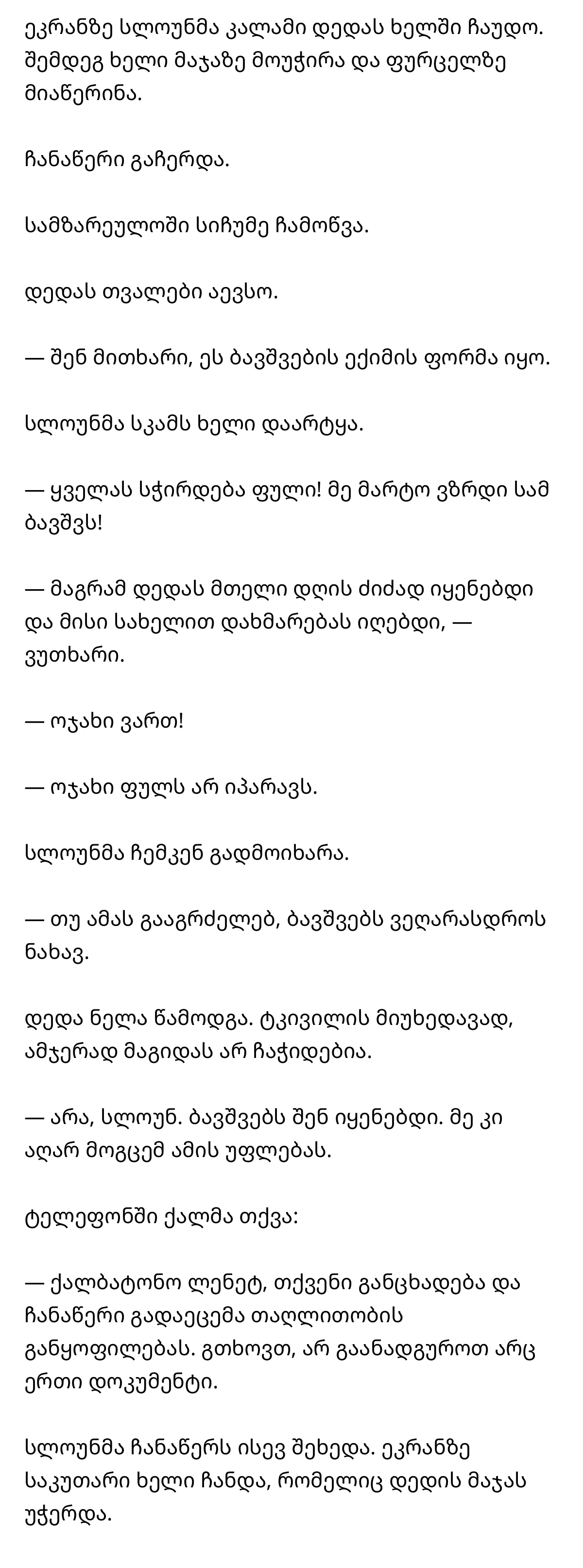
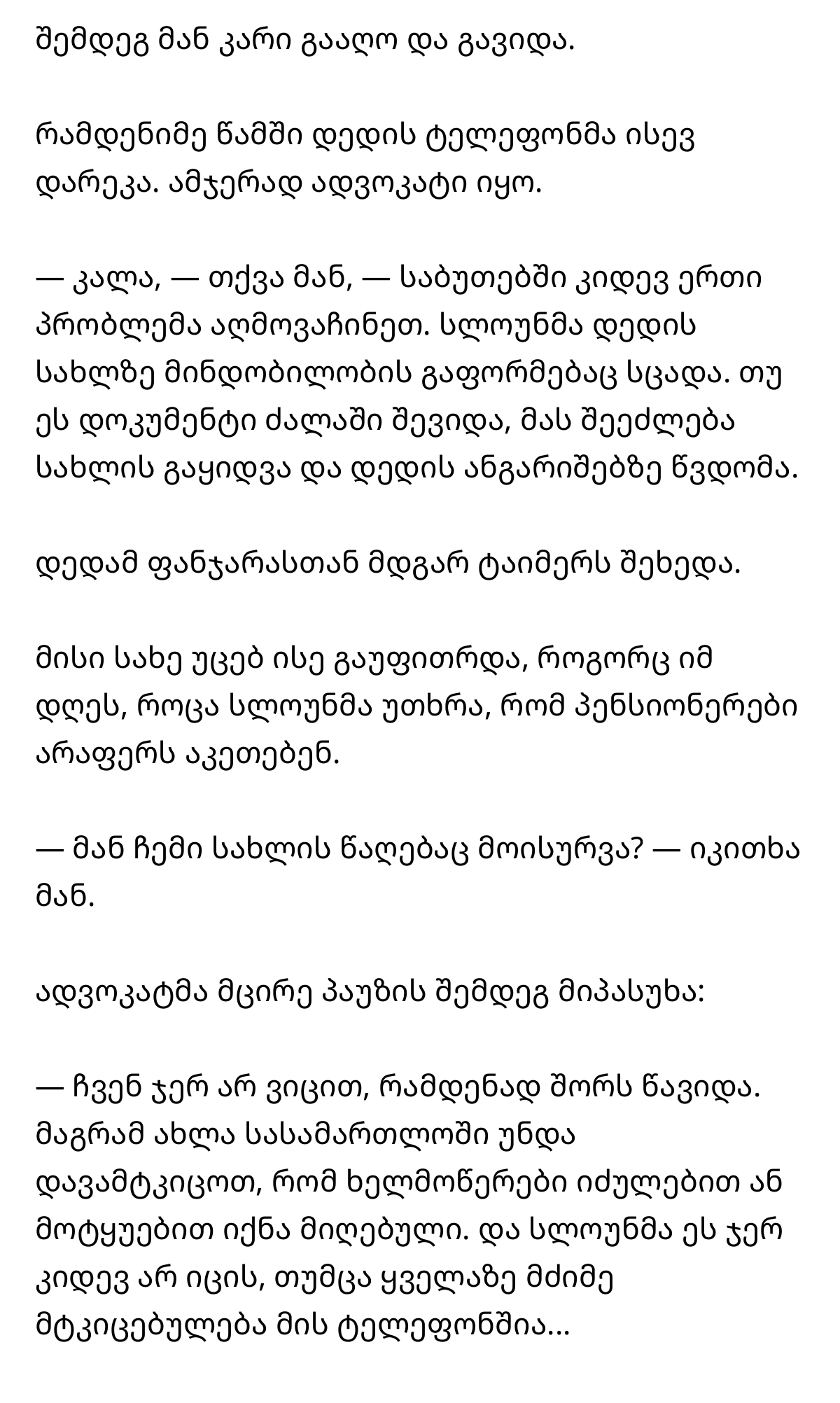

On the screen, Sloan put a pen into my mother’s hand. Then she squeezed her wrist and made her write on the paper.
The recording stopped.
Silence fell in the kitchen.
My mother’s eyes filled with tears.
“You told me it was a form from the children’s doctor.”
Sloan struck the chair.
“Everyone needs money! I am raising three children alone!”
“But you were using Mom as an all-day babysitter and receiving assistance in her name,” I said.
“We are family!”
“Family does not steal money.”
Sloan leaned toward me.
“If you continue this, you will never see the children again.”
My mother slowly stood up. Despite the pain, this time she did not cling to the table.
“No, Sloan. You were using the children. And I will no longer allow you to do that.”
The woman on the phone said:
“Mrs. Lenette, your application and the recording will be handed over to the fraud department. Please do not destroy any documents.”
Sloan looked at the recording again. On the screen, her own hand could be seen squeezing my mother’s wrist.
Then she opened the door and left.
A few seconds later, my mother’s phone rang again. This time it was the lawyer.
“Kala,” he said, “we have found another problem in the documents. Sloan also tried to arrange a power of attorney over your mother’s house. If this document took effect, she would be able to sell the house and access your mother’s accounts.”
My mother looked at the timer standing by the window.
Her face suddenly became as pale as it had been that day when Sloan told her that retirees did nothing.
“Did she want to take my house too?” she asked.
After a short pause, the lawyer answered:
“We do not yet know how far she went. But now we have to prove in court that the signatures were obtained through coercion or deception. And Sloan does not know this yet, although the strongest evidence is in her phone…”
სლოუნმა საკუთარი ხმა პირველად სხვისგან მოისმინა…
ბოლო ნაწილში სიმართლე მხოლოდ ერთ ადამიანს აღარ დააზარალებს.
დედაჩემის სახლში კი ყველაზე მძიმე კარი სწორედ მაშინ გაიღება.
„მე უბრალოდ დახმარება მჭირდებოდა.“
ამჯერად არავინ გადაარჩინა მისი სიტყვები.
👇 ისტორიის ფინალი უკვე გახსნილია
Related posts:
 Part 4 — I always protested leaving three children for free, but after my calm answer Sloan’s smile suddenly disappeared
 A Flat Tire Stopped Me at a Desert Diner, but When the Waitress Heard My Name, the Color Drained from Her Face
 I found my ex-wife in my penthouse with a newborn baby, but the moment she spoke a single sentence, my face instantly went pale.
 My daughter-in-law rented my mother’s lake house for a party, but after my calm response my husband stopped speaking
 I took my mother from the house, but when my brother opened her room with a duplicate key, the color drained from his face
 I Was Carrying an Engagement Ring for Another Woman When I Saw Three Unknown Children in the Rain and the Smile Disappeared from Grace’s Face