
At the moment when the bus door closed on the village road, I saw my wife holding a strange child and realized that the worst had not yet begun.
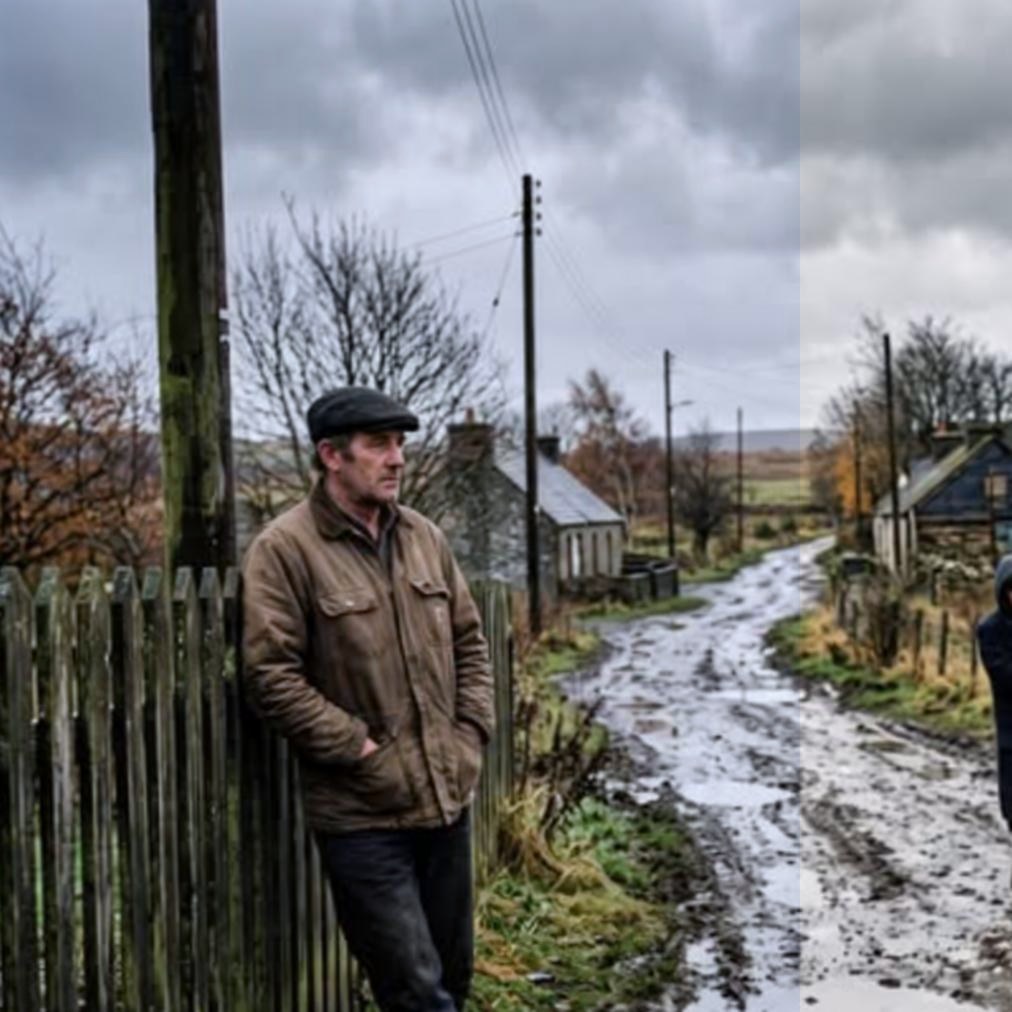
For two years I had been convincing myself that I would never wait for Vera again. But every autumn, when fog descended between the fir trees and the rain turned the yard’s earth into black mud, I still went out to the gate. My neighbor Marine noticed this.
“Are you still waiting?” she asked me that morning, when I was holding a tin bucket.
“I’m checking the firewood.”
“People don’t wait for firewood by the road, Ivane.”
I did not answer. My fingers were wrapped around an old copper key. Vera had left this key on the kitchen table before leaving. Since then, I had never taken it out of my pocket.
Then the bus door closed.
Vera came slowly. Thin, wrapped in a dark coat, she had a worn bag hanging from her shoulder. In her arms she held a little boy whose yellow woolen hat had been pulled down over his eyes. The child was silent and was putting his fist into his mouth.
I clung to the doorframe.
Vera stopped at the gate.
“Hello, Vano,” she said so quietly, as if she were standing not in front of my house, but at the grave of a stranger. “I’ve come back.”
“I see.”
My gaze searched for the child’s face.
“This is Lionka,” she added. “My son.”
Not ours.
That one word proved heavier than those two years, during which I had received neither a letter nor a call from her.
The boy raised his head. He had gray eyes. I noticed a small dark mark below his left ear, and something struck inside my heart as if an old wound had opened again.
“Come in,” I said. “You’ll get cold.”

By evening the whole village knew that Vera had returned and had brought a child too. Women gathered at the well, men fell silent in front of the shop when I walked past.
“Another man would not have endured it,” someone said.
“Perhaps his heart is still soft,” another replied.
I chopped wood and gave each blow as if I were destroying not wood, but my own doubt.
At home I prepared a room for Vera and the child. I lit the stove, brought in water, and assembled a small wooden bed for Lionka. I myself lay down on the old sofa in the kitchen.
On the third evening Vera stopped at the door. The fire in the stove flickered across her face.
“Not once have you asked who his father is,” she told me.
I ran the knife over the sharpening stone. The thin sound of iron cut through the kitchen.
“Why should I have asked?”
“Because I disappeared for two years. Because I brought a strange child. Because you may hate me.”
“If I hated you, I wouldn’t have let you in here.”
Vera’s eyes filled with tears.
“Then at least yell at me, Ivane. Accuse me. Say something to me.”
For the first time I looked up.
“You know that this child is not a stranger to me.”
Vera froze.
Outside, the wind rattled the window latch.
“What are you saying?” she barely uttered.
I took the copper key from my pocket and placed it on the table.
“Tomorrow we are going to the city. We will open the room that was locked on the day you left.”
Vera looked at the key, then at Lionka, who was standing in the hallway and silently listening to us. At that very moment, car headlights lit up in the yard. Someone knocked on the door three times, and a man’s voice came from outside:
“Ivane, it’s time to tell everything…”
I moved toward the door and took hold of the handle…

I opened the door and found Archil, the village’s former doctor, on the threshold. He was holding a leather bag, and his fingers were trembling so much that its metal clasp rattled.
“You shouldn’t have come here,” Vera told him.
“I kept silent for two years. I can’t anymore.”
Archil looked into the room and lingered for a long time on Lionka’s face.
“Does the boy know why he came back?”
“Not yet,” I answered.
“Then he must know today.”
Vera reached toward the bag.
“This is my life.”
“No, Vera. This is their stolen life.”
My heart began beating quickly. Archil took a small iron box from the leather bag. An old hospital emblem was engraved on its lid.
“This item belongs to your husband,” he said. “I only kept it because I was afraid then.”
“What is inside?” I asked.
Archil looked at Vera.
“The answer you have been running from for two years.”
That night Vera did not sleep in the room. She sat beside Lionka’s bed and stroked his hair. I stood in the hallway and listened to the child’s breathing.
In the morning we went to the city. Archil was waiting for us at the clinic’s back door. He was already holding an opened file.
“Ivane, before you see this, you should know that one name in the boy’s birth certificate is written falsely,” he told me.
Then he turned over the first sheet…

On the very first sheet I saw my signature.
My hands grew cold. A sharp smell of antiseptic stood in the clinic’s white corridor, while Lionka sat on Vera’s knee and rolled a little wooden car along the floor.
“This is impossible,” Vera said.
Archil spread the file open on the table.
“Two years ago, when Vera reached the city, the child had already been searched for three days. After the birth, they told the mother that the boy had not survived.”
Vera shook her head.
“I saw his bed myself. It was empty.”
“They showed you an empty bed,” Archil replied. “No one gave you the child.”
I looked at the birth record. The mother’s surname was Vera’s old surname. And in the father’s column was my name.
“But Vera left for the city pregnant,” I said.
Vera covered her face with her hands.
“Then the doctor told me that the child was not mine. He told me that someone in your family had arranged everything and that if I returned to the village, you would also be arrested. I was afraid for you, Ivane. I was trying to save you.”

Archil took out the second sheet.
“This is your old medical record. Before leaving for the city, you left a sperm sample at the clinic because the doctors told you that you might need treatment in the future. It was precisely with this sample that paternity was confirmed.”
I looked at Lionka. He had the same dark mark below his ear that could be seen in my childhood photograph.
“Why didn’t you tell me?” I asked Vera.
“Because the next day your brother Dato came to the clinic. He told me that if I took the child, he would bring a case against you. He told me that he had destroyed the sample and that you would never learn the truth.”
Archil placed the small iron box on the table.
Inside were my letters, copies from the clinic, and one voice recording. Dato’s voice could be heard clearly:
“You will take the child away from the mother, and make the man believe that his wife abandoned him. The house is mine when Ivane breaks.”
Vera began to cry. And I understood for the first time why my heart had known everything before my mind acknowledged it.
Lionka came to me and wrapped his finger around my hand.
“Father?” he asked.
I did not have time to answer. The telephone rang.
Archil looked at the screen and lost the color from his face.
“It’s Dato,” he said. “And he knows that we found the file.”
As soon as the call ended, a second message arrived: “If the child is alive, tonight he will no longer be in your house”…
დათოს წერილმა ბოლო სიმართლე გამოაჩინა…
მეგონა, ყველაზე მძიმე უკვე გავიგე. მაგრამ ნამდვილი პასუხი მაშინ მოვიდა, როცა არჩევანი მხოლოდ ჩემზე დარჩა.
„მამა, ახლა სახლში ვრჩებით?“
პასუხი პირველად შიშის გარეშე გავეცი.
👇 ისტორიის ფინალი უკვე გახსნილია
Related posts:
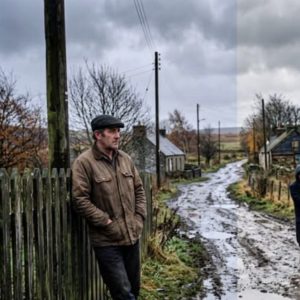 Part 4 — Two Years Later, My Wife Returned with a Strange Child, and I Opened the Door — Amazement Froze on the Neighbor’s Face
 At the funeral, a stranger told me that the truth was waiting for me in the garage — when I returned home, my hand suddenly went numb
 My Five-Year-Old Daughter Was Slapped in the Face, but the Woman Who Came to the Christmas Tree on Christmas Eve Suddenly Stopped Smiling
 A Flat Tire Stopped Me at a Desert Diner, but When the Waitress Heard My Name, the Color Drained from Her Face
 I helped an injured man in an abandoned building, but after my six words, the smile disappeared from his face
 An Unknown Man Humiliated Me in Front of Everyone, but the Restaurant Owner Looked at Me Only Once — and His Smile Immediately Disappeared