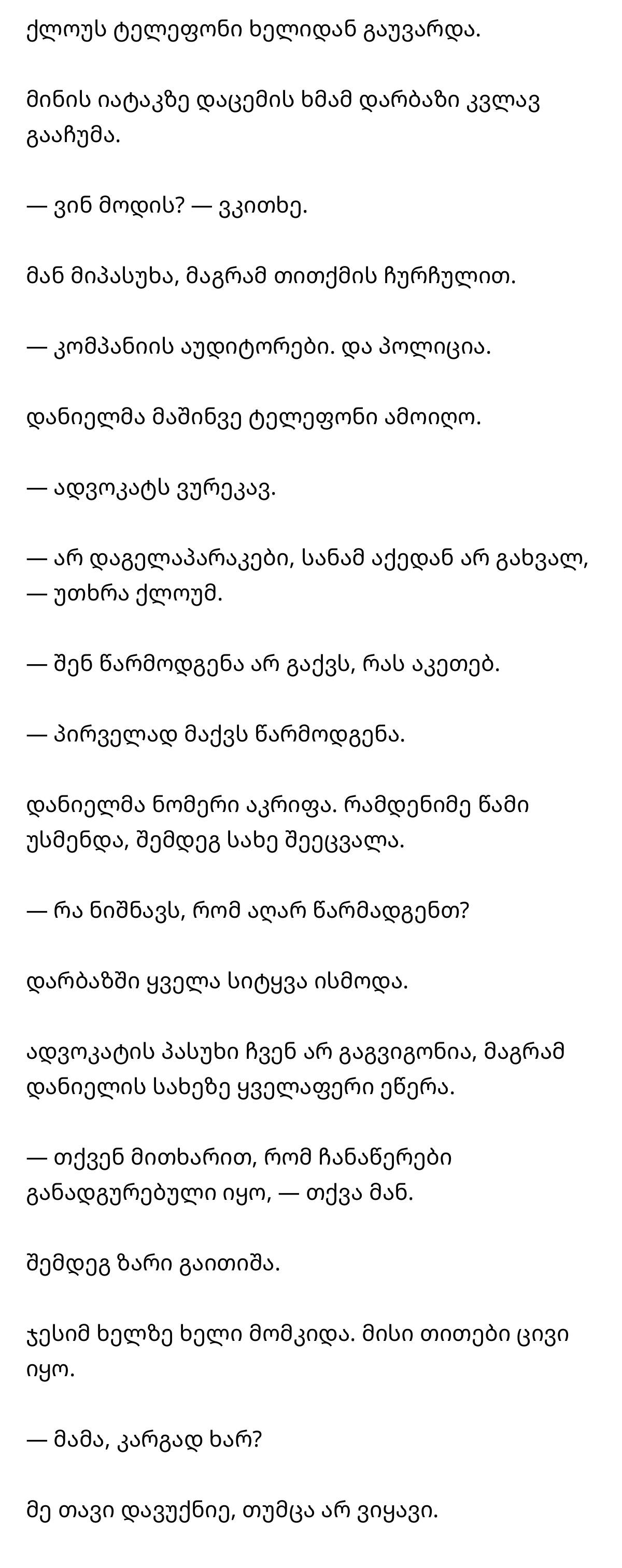

Chloe’s phone fell from her hand.
The sound of it falling on the glass floor silenced the hall again.
“Who is coming?” I asked.
She answered me, but almost in a whisper.
“The company’s auditors. And the police.”
Daniel immediately took out his phone.
“I’m calling a lawyer.”
“I will not speak to you until you leave here,” Chloe told him.
“You have no idea what you are doing.”
“For the first time, I do.”
Daniel dialed the number. He listened for several seconds, then his face changed.
“What do you mean you no longer represent me?”
Every word could be heard in the hall.
We did not hear the lawyer’s answer, but everything was written on Daniel’s face.
“You told me that the recordings had been destroyed,” he said.
Then the call ended.
Jessie took my hand. Her fingers were cold.
“Dad, are you all right?”
I nodded, although I was not.
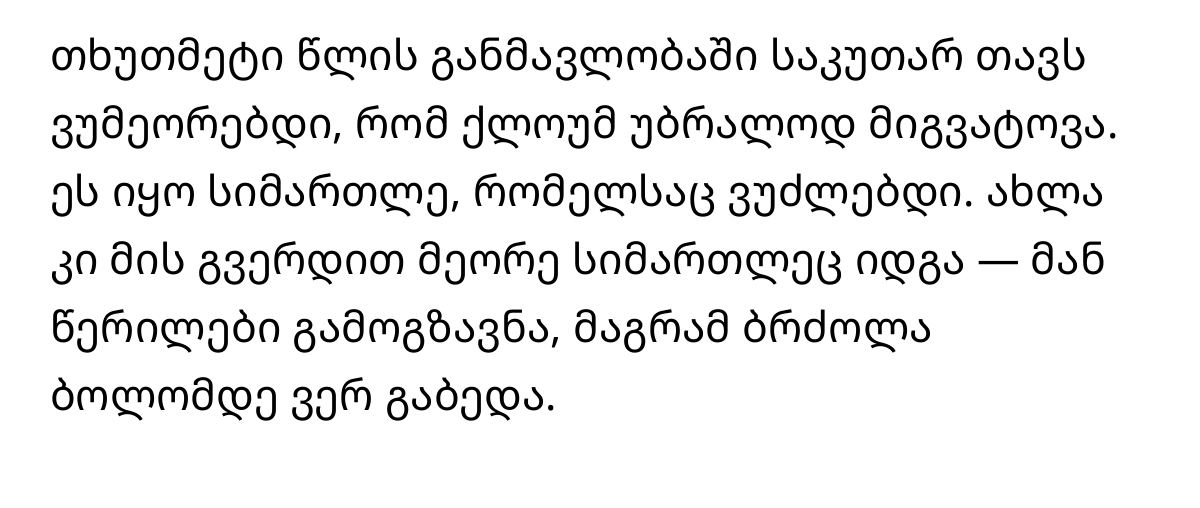
For fifteen years I had repeated to myself that Chloe had simply abandoned us. It was a truth I could endure. Now another truth stood beside it—she had sent the letters, but she had not dared to fight to the end.
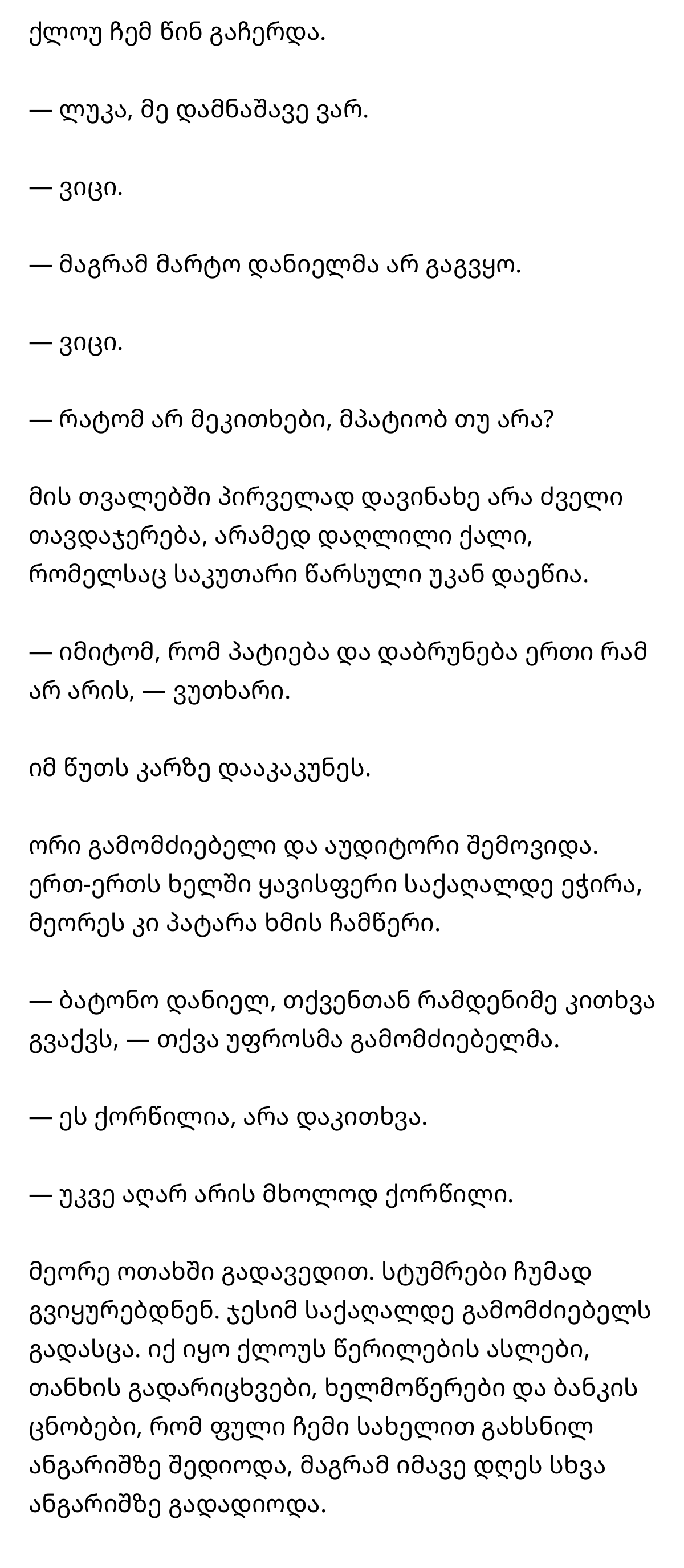

Chloe stopped in front of me.
“Luka, I am guilty.”
“I know.”
“But Daniel was not the only one who separated us.”
“I know.”
“Why don’t you ask me whether I forgive you?”
For the first time in her eyes I saw not the old confidence, but a tired woman whom her own past had caught up with.
“Because forgiveness and returning are not the same thing,” I told her.
At that moment someone knocked on the door.
Two investigators and an auditor entered. One of them held a brown folder, and the other a small voice recorder.
“Mr. Daniel, we have several questions for you,” the senior investigator said.
“This is a wedding, not an interrogation.”
“It is no longer only a wedding.”
We moved to another room. The guests watched us silently. Jessie handed the folder to the investigator. Inside were copies of Chloe’s letters, money transfers, signatures, and bank statements showing that money was entering an account opened in my name but was being transferred to another account on the same day.

“Who was doing this?” the investigator asked.
Chloe looked at Daniel.
“He was.”
Daniel shook his head.
“She is unstable. She took medications for years.”
Chloe’s face hardened.
“That is exactly how you forced me to appear to everyone.”
The auditor turned on the voice recorder. This time the recording was new. Daniel’s voice could be heard clearly.
“Tell Luka that the children are against you. If you ever try to return, I will distribute their photographs and say that you are a bad mother.”
Chloe grabbed the chair.
“That is my voice,” she said.
Daniel was looking at the screen as if he had seen another person there.
“I did not say this.”
His voice sounded again in the recording.
“You chose this life yourself.”
Daniel lowered his eyes.
Hearing his own words was the heaviest punishment. For the first time he saw how his voice sounded in someone else’s life—cold, calm, and merciless.

The investigators asked him to accompany them out of the hall.
“Luka, one minute,” Daniel told me.
I did not move.
“I can compensate you for everything.”
“Money cannot return the childhood my children lost.”
“You still need money.”
“I do not want your money anymore.”
For the first time he had no answer.
Chloe stood by the door and cried.
“Where should I go?” she asked me.
“Wherever you choose yourself.”
“Can you tell me at least once that I have not completely lost you?”
I looked at her for a long time.
“You did not lose my children only because of Daniel. You lost them when fear made the decision instead of you.”
It sounded cruel, but the truth is not always soft.
That same night the investigators brought a search warrant for Daniel’s office. They found the second recording there—in an old computer, in a folder marked “Family.” It contained copies of all the letters, all the transfers, and forged messages made by Daniel.
Chloe was recognized as a victim in court, but she still could not escape responsibility. She signed a statement in which she admitted that for years she had remained silent and had not fought to return to her children.

Daniel was charged with financial fraud and threats. I went to court only once. I did not want to watch his defeat. I wanted to say my word and then leave there.
“Why did you not call me then?” the judge asked.
“Because we were both adults and I thought she had made a choice. Now I know that sometimes fear makes the choice, but the consequences still remain with people.”
Chloe sat beside me.
She lowered her head.
Several weeks later the house became strangely empty. The girls moved into their own homes. Jessie hung the wedding photographs on the wall, but in the photograph where Chloe was looking from a distance, no one cut out her face.
“Let’s leave it,” Jessie told me.
“Why?”
“Because this is also our history. Just not the whole history.”
I did not keep Chloe’s letters. I gave each daughter her own envelope. Some read them. Some could not. Elene put her letter on a small shelf and said that for now she would only get used to the smell of the pages.
Three months later I rented a small warehouse on the outskirts of the city and started a transport service. In the morning I still drank my coffee very strong. In the evening, when I returned home, I no longer found six bags at the door, six kinds of noise, and six different demands.
At first the silence hurt.
Then the silence taught me to breathe.

Jessie called me once.
“Dad, we are going to have a baby.”
I sat down on the chair.
“Will it be a girl?”
“We don’t know yet.”
“Then I will prepare for both possibilities.”
“Are you already preparing?”
“Of course. I have only one problem.”
“What?”
“I can’t find the old lunch box anymore.”
Jessie laughed.
“It is with me. I kept your first letter in that box.”
Every few months Chloe sent me short messages. At first only “How are they?” was written. Then—“May I see you?” Finally: “Let’s start over.”
One evening, when the first snow was falling on the window, I received another letter.
“Luka, now I have lost everything. Please open the door for me.”
I looked at the screen for a long time.
Then I wrote to her:
“I will not lock the door. But you can no longer return to my home. Speaking with the children will be possible only if they themselves wish it. This time the choice belongs to them.”
No answer came.

The next day Jessie came to me. She was holding the old wooden box. The one she had opened at the wedding. It still had the scratch on the corner, and on the lid was the stamp of the old warehouse.
“You should have this,” she told me.
“Why?”
“Because all your life you made room for others. Now you should keep something for yourself too.”
I opened the box. Inside lay six small envelopes, each in one daughter’s handwriting. On top I found a new card.
“To Dad—who never left.”
I smiled, and tears came to my eyes.
That night I placed the box on the windowsill. The light of the snow fell on the wooden lid, while the brass lock shone quietly.
For the first time in fifteen years, I was no longer waiting for someone to return.
I was already home.
Missed the beginning?
Related posts:
 Seven years later I went to apologize to my ex-wife, but when the door opened, a boy looked at me and his mother turned pale
 Fifteen Years Later, My Ex-Wife Wanted to Come to Our Daughter’s Wedding and Turned Pale at My Calm Answer
 My wife demanded to return to my daughter’s wedding, but her smile disappeared when opening the gift
 Part 4 — My wife demanded to return to my daughter’s wedding, but her smile disappeared when opening the gift
 When My Mother-in-Law Hit My Little Daughter in Front of Everyone, My Husband Lowered His Eyes and I Was Afraid for the First Time
 Part 4 — Seven years later I went to apologize to my ex-wife, but when the door opened, a boy looked at me and his mother turned pale