
The telephone almost slipped from my hand.
“Who are you?”
In reply I heard only breathing. Then the call was disconnected.
I ran outside. The fire was already passing from the barn roof to the wooden beams. The wind was throwing sparks toward the field.
“Neighbors! Bring water!”
Efrain was the first to come. He was holding an empty jug.
“Go to the spring!” I called. “I will take the documents.”
I rushed into the house. The tin box was still on the table. I put my father’s letter inside, wrapped the document in cloth, and pressed it against my chest.
From outside I heard Julian’s voice.
“Aunt, come out!”
“Now you remember that I am your aunt?”
“I did not start the fire!”
“But you know who might have.”
He fell silent.
That silence itself answered me.
The neighbors found the spring and began bringing water in jugs. The water was cold, transparent, and heavy. They carried it three times, four times, ten times. They put out the fire before dawn.
Half of the barn remained burned. Inside stood my old sewing machine, sacks of corn, and my husband’s wooden chair. Everything was black and wet.

In the morning we gathered again in the village square. This time the police also came from the district. Efrain himself had called them.
Gumersindo tried to escape by car, but people stopped him on the road.
“Clear the road for me!” he shouted. “This is a private matter!”
The district investigator spread a document out in front of him.
“A false signature, an illegal seal, threats, and an attempt to destroy property are no longer a private matter.”
Gumersindo looked at Efrain.
“Say that you knew nothing.”
Efrain stood silently for a long time. Then he raised his head.
“I knew.”
That one word proved heavier for him than any accusation.
Julian came to me when they put handcuffs on Gumersindo.
“Aunt, please, at least for my family…”
“I helped your family for years.”
“I made a mistake.”
“No. You made a choice.”
He stopped.
“Can you forgive me?”
“Forgiveness is possible. Trust has to be built again.”
Julian lowered his head. I was not happy about his humiliation. I simply stopped trying to help him escape his own guilt for the first time.

That same week Gumersindo’s lawyer called me.
“If you withdraw the complaint, we will offer you an agreement concerning the land.”
“My land was never something for you to negotiate.”
“The amount will be very substantial.”
“Water has no price when it is someone else’s life.”
“Think about it.”
“I already have.”
I hung up.
Several days later the investigator summoned us to the village school. He placed the recorder on the table.
“Do you want to listen?”
I nodded.
My nephew’s voice was heard again in the room.
“As soon as the old woman signs, your debt will disappear.”
Then Gumersindo’s voice.
“You promised me at least fifty thousand.”
For the first time I listened to these words through other people’s ears. I realized that that day they were stealing not only my land from me. They were stealing my past, my care, and the little boy for whom I had once bought shoes.
Julian sat in the corner. When the recording ended, he covered his face with his hands.
“I did not want it this way,” he said.
“But this is how you did it.”
After that the case went to court. The judge annulled the false document, left the water right in the common use of the village, and officially confirmed my ownership of the land. Gumersindo was sentenced to a fine and imprisonment, while Efrain was removed from office and an investigation was begun.
Julian’s debt remained. He could not sell the land to cover it. He found work in the city and sent a small amount every month. I did not return every transfer to him, but neither did I take his debt upon myself.
“You must pay,” I told him once. “Not because I want to punish you. Because your decision must become yours.”
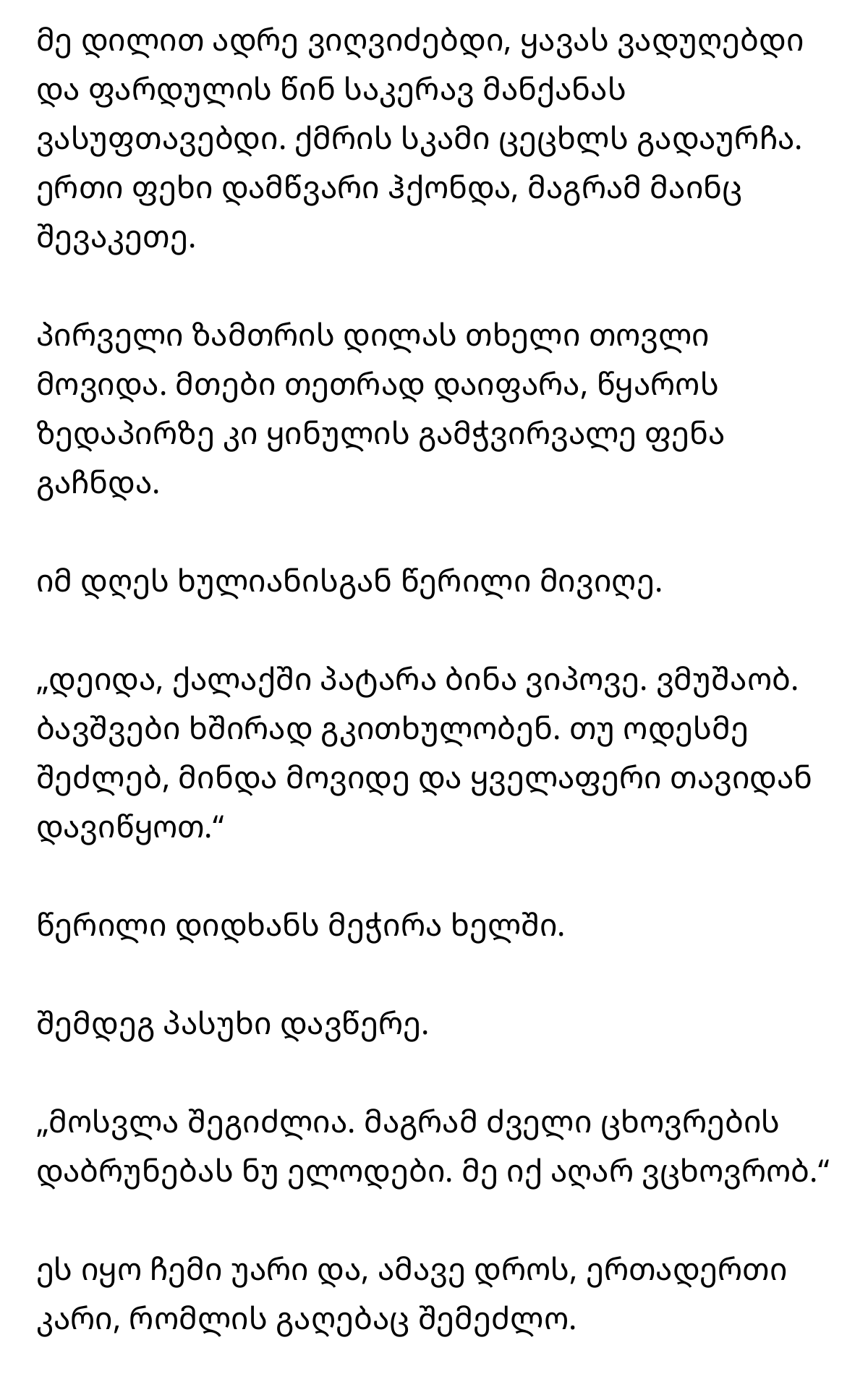

Three weeks later we built a small wooden shed instead of the burned barn. The people of the village helped me. One brought a window, another brought doors, and the children drew a picture of the spring on the wall.
Julian’s younger son, Mateo, often came to me. Once he held a rolled-up sheet of paper in his hand.
“Grandmother Elena, is this you?”
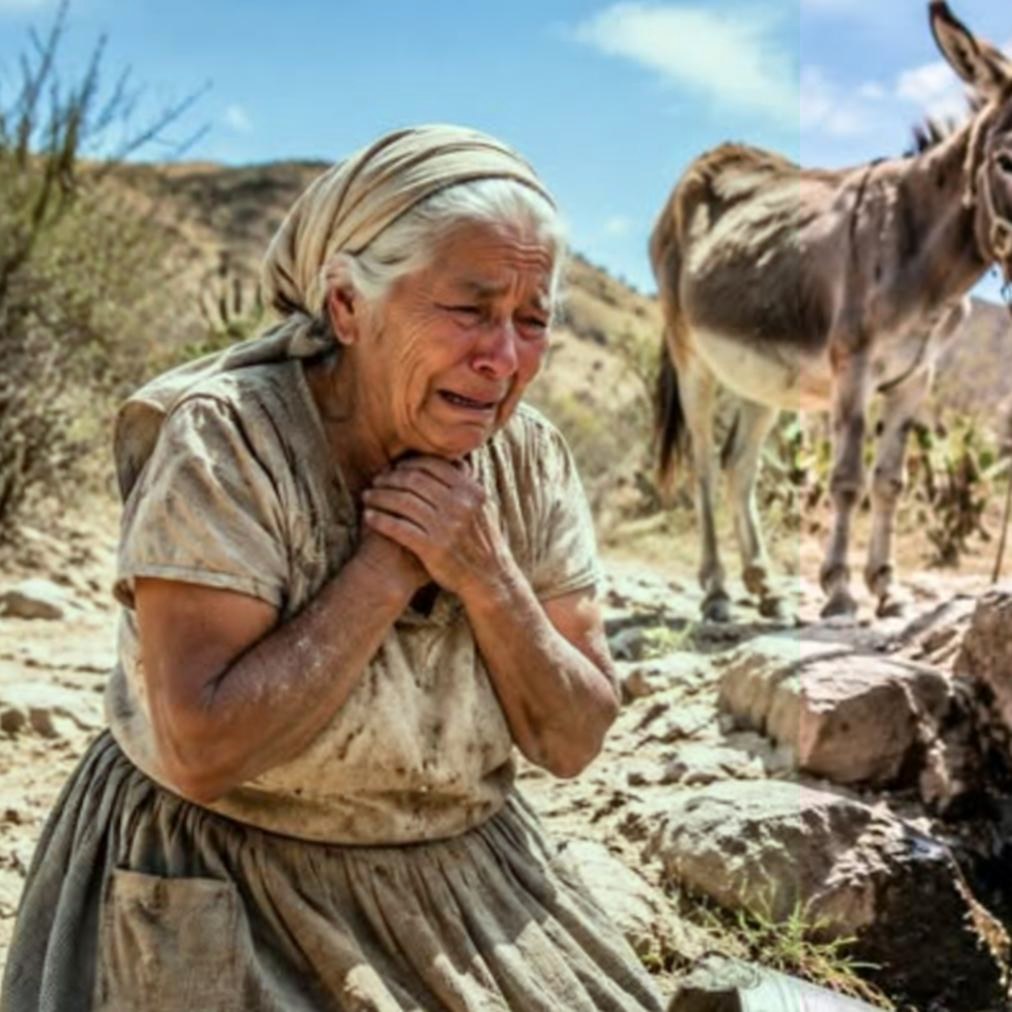
In the drawing a woman stood by the mountain, and beside her was a large gray donkey.
“It is me.”
“Why do you love the donkey?”
“Because when every other road was lost, it knew its own.”
The child nodded, as if this were a completely sufficient answer.
Months passed.
The field became green again. The water channel reached every house in the village. Once a week people gathered at the spring, cleaned the stones, and placed a small wooden sign beside it: “Rufino Montiel’s Spring. A Common Good.”
I woke early in the morning, made coffee, and cleaned the sewing machine in front of the shed. My husband’s chair survived the fire. One leg was burned, but I repaired it anyway.
On the morning of the first winter, thin snow fell. The mountains were covered in white, and a transparent layer of ice appeared on the surface of the spring.
That day I received a letter from Julian.
“Aunt, I found a small apartment in the city. I am working. The children often ask about you. If you can ever, I want to come and start everything again.”
I held the letter in my hand for a long time.
Then I wrote a reply.
“You may come. But do not expect the old life to return. I no longer live there.”
It was my refusal and, at the same time, the only door I could open.
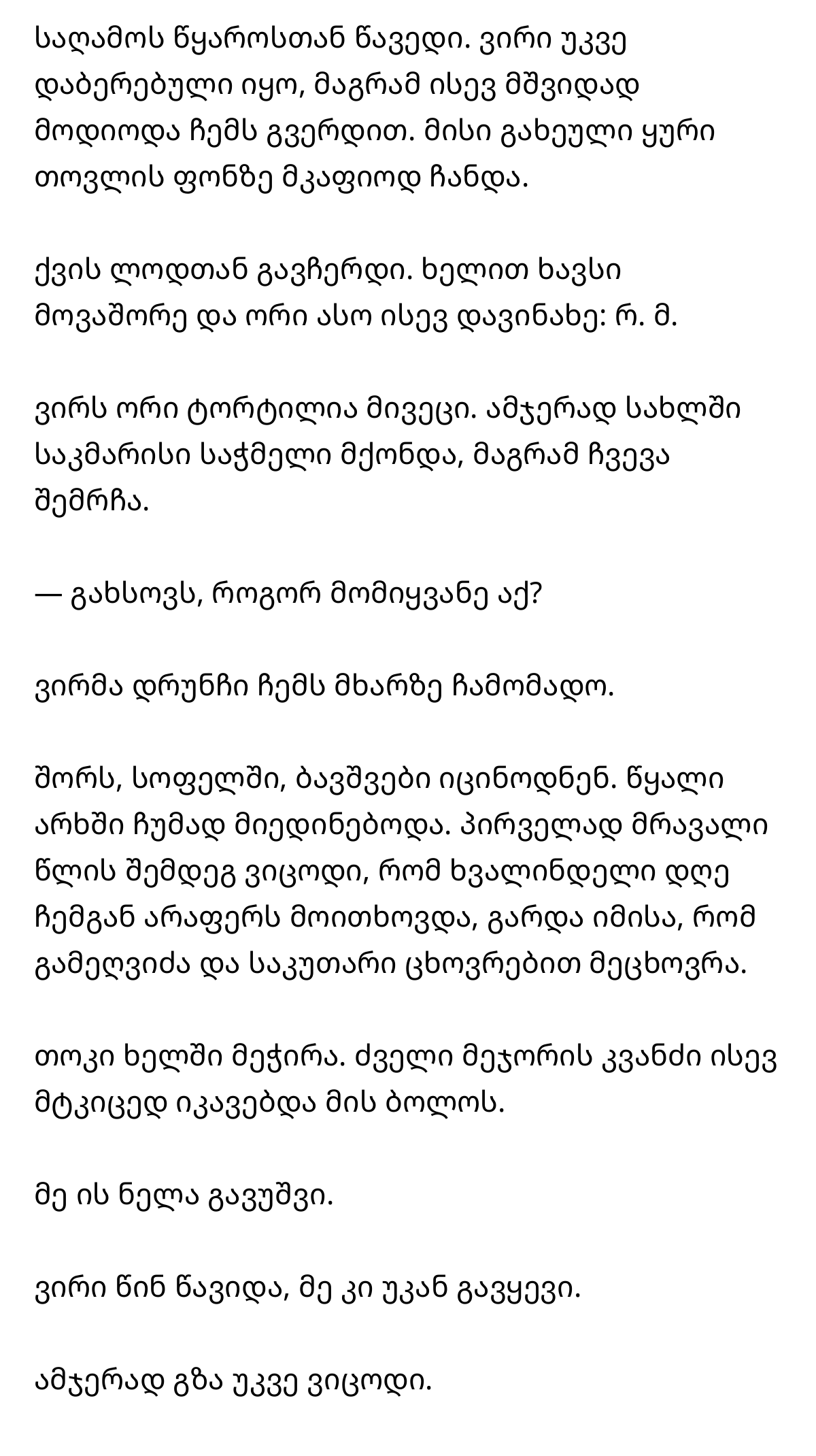

In the evening I went to the spring. The donkey had already grown old, but it still walked calmly beside me. Its torn ear was clearly visible against the snow.
I stopped at the stone slab. I removed the moss with my hand and saw the two letters again: R. M.
I gave the donkey two tortillas. This time I had enough food at home, but the habit remained.
“Do you remember how you brought me here?”
The donkey placed its muzzle on my shoulder.
Far away, in the village, children were laughing. Water was quietly flowing in the channel. For the first time in many years I knew that tomorrow demanded nothing from me except that I wake up and live my own life.
I held the rope in my hand. The old majordomo’s knot still held its end firmly.
I slowly let it go.
The donkey went ahead, and I followed behind.
This time I already knew the way.
Missed the beginning?
Related posts:
 My nephew asked me to sell the land, but when I cleared one stone in front of the people, his smile disappeared
 My Former Partner Accused Me of Selling the Song on Stage, but One Calm Question from Me Would Drain the Color from His Face
 I Went to the Cemetery with Five Children, and My Ex-Husband’s Gaze Suddenly Froze
 An Unknown Man Humiliated Me in Front of Everyone, but the Restaurant Owner Looked at Me Only Once — and His Smile Immediately Disappeared
 I helped an injured man in an abandoned building, but after my six words, the smile disappeared from his face
 On the Night of My Mother-in-Law’s Death, I Called My Husband Thirty Times, But After He Answered, an Unknown Woman’s Laughter Rang Out in the Room and Fell Silent