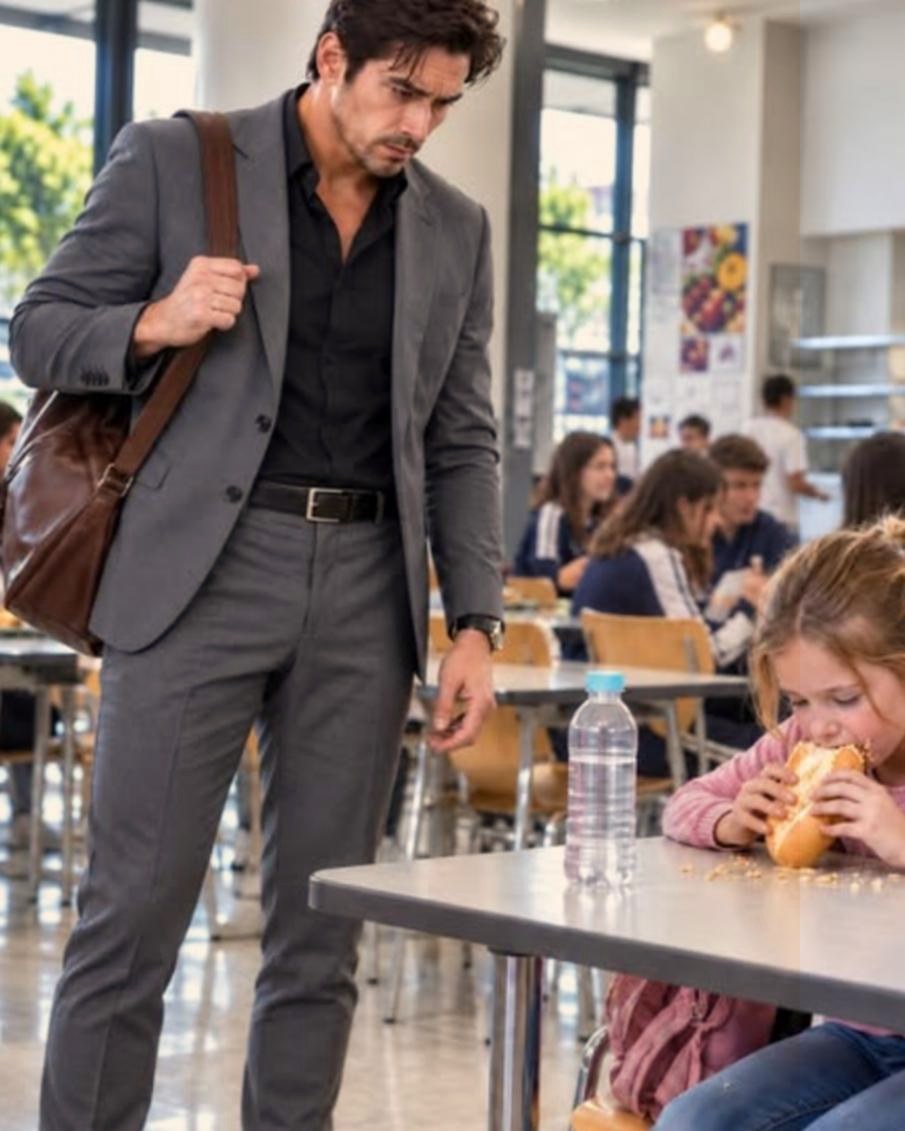

My mother called me when I could barely breathe after a fourteen-hour workday in Dallas and told me that my daughter was wasting money, skipping school, and chasing some unfamiliar boy. The next day, at the school in Austin, I saw with my own eyes how Maya was eating half of a dried bun.
“She made the eighteen hundred dollars sent for a laptop disappear somewhere,” Evelyn told me over the phone. “If you don’t come here and punish her properly, I wash my hands of her.”
“How many days has she not eaten normally?” I asked.
My mother chuckled.
“Don’t start the drama, Jason. Maya is simply spoiled.”
I had been hearing that word for five years. Spoiled. Irresponsible. A liar. At the end of every month, when I transferred money, Evelyn found a new reason why the amount was not enough. Food, clothes, school supplies, transport, a doctor, a tutor. I had never been late.
Maya was ten when her mother, Sarah, died of cancer. Medical debts nearly destroyed us, and I went to Dallas for freelance industrial work. Only there could I earn enough money for my child to have everything.
Every month I sent money.
And every month I believed that Maya was wasting it.


In the morning I flew to Austin without calling anyone. I entered the school yard at noon and searched for several minutes for the girl who was still ten years old in my memory.
Then I saw her.
Maya sat alone on a concrete flowerbed. She was wearing a faded school shirt. The soles of her sneakers had opened at the sides. A small copper thermos lay in her lap, and there was a black stain on its lid, as if it had survived a fire.
She held half of a plain bun in her hand.
She ate in small bites, slowly, carefully, as if each crumb could stretch time. She wrapped the remaining part in a napkin and put it in her bag.
Four days earlier I had transferred two thousand dollars to my mother.
Maya went to a small store and saw hot food in the window. She took coins from her pocket, counted them, then lowered her head and returned from the store empty-handed.
The anger inside me disappeared.
Something cold appeared in its place.
I went straight into the counselor, Mrs. Ortega’s, office.
“I am Jason Vance. Maya Vance’s father.”

The woman looked up immediately.
“You are Jason?”
The question clenched my stomach.
She opened Maya’s record on the computer. My name was written as father and legal guardian, but the telephone number was wrong. Then Ortega looked at the screen once more and her face changed.
“Mr. Vance, Maya has been in a program intended for low-income families for several years.”
“What did you say?”
“Free meals, a fee reduction, transportation assistance, and school supplies.”
I took my phone from my bag and opened the banking application.
“I transfer two or three thousand dollars every month.”
Ortega looked at the screen.
“Every month?”
“I have not missed it even once.”
The woman was silent for several seconds.
“Then we have a very serious problem here.”


She took me to the study room. Through the window I saw Maya take the saved bun from her bag, break it into a paper cup, and pour hot water over it. She waited patiently for the bread to soften.
“She often does this,” Ortega told me quietly.
Something stuck in my throat.
“Does she skip classes? Is she in bad company? Is she seeing a boy older than her?”
Ortega turned around.
“Your daughter has some of the highest grades in the class.”
“But my mother told me…”
“Your mother came here often,” she interrupted me. “She filled out all the documents.”
She placed a paper folder on the table. It said on it: The financial condition of Maya’s family. Inside, in the income section, someone had written: “There is no regular support from the father.”
My hands began to tremble.
Below it was a signature.
Evelyn Vance.
“This is only one form,” Ortega told me and looked toward another folder. “But if you want the full truth, you must see this first…”
She reached toward the folder’s clasp…

Ortega’s fingers touched the clasp when someone knocked on the door.
Maya entered and stopped immediately.
“Dad?”
It had been five years since I had met her so closely. The girl before me was taller than I was, but in her eyes there was still the child I had hugged after Sarah’s funeral.
“Why didn’t you tell me that you were having a hard time?” I asked.
Maya looked away.
“Grandmother told me that you no longer wanted to spend money on me.”
“I transferred money every month.”
“I knew you would get angry if I asked you again.”
Ortega gave her water. Maya’s fingers gripped the burned lid of the thermos.
“Grandmother used to tell me that you had another family there,” she said. “And that I was no longer your main concern.”
It became difficult to breathe.
“I never said that.”
“I know now.”

Ortega opened the folder and took out several sheets.
“Here are assistance applications, medical certificates, and letters about the transfers. All of them were filled out in one person’s handwriting.”
Footsteps sounded from the corridor.
Maya went pale.
“Grandmother has come.”
Evelyn appeared in the doorway, a leather bag in her hand. She first looked at me, then at the papers spread on the table.
“Jason, you must leave here immediately.”
“First tell me why my child is starving.”
Her face hardened.
“Because you did not have enough money and did not want to admit it.”
Ortega took out a new folder.
“Mrs. Vance, we have not shown him this document yet.”
My mother looked at the folder and suddenly stepped back.
“Do not open it.”
With those two words everything changed. Ortega lifted the clasp, and I understood that inside there was no longer only a school form…

Ortega opened the folder. The top sheet was from five years earlier, a guardianship application prepared in Maya’s name.
“Read it to the end,” she told me.
The sheet said that Jason Vance could no longer care for his child because of work, that the family had no permanent income, and that Evelyn Vance covered all of Maya’s expenses.
“This is a lie,” I said.
“I know,” Ortega said. “That is why I compared the signatures.”
She placed beside it forms submitted to the school, statements sent to the bank, and a doctor’s card. The same handwriting was on every document.
Evelyn put the bag on the table.
“I was trying to protect her.”
“By making me starve?” Maya’s voice sounded firm for the first time.
My mother turned toward her.
“The money should have been spent by your father, not on your whims.”
“Father was sending money,” Maya said. “You told me he was not sending it.”

Such silence fell over the room that I heard the ticking of the wall clock.
Ortega took out a second stack.
“These are bank statements. The transfers went directly into Mrs. Vance’s account. In five years the amount is more than one hundred and fifty thousand dollars.”
The color left Evelyn’s face.
“I spent everything on Maya.”
“Then why was she in the free-meal program?” I asked.
“Because she was entitled to assistance.”
“And why did you write that I had received nothing from him?”
She could not answer.
Maya took a folded paper from her bag.
“You gave me this too, Grandma. You told me to give it to Father when he did not send money again.”
The paper said that I was forcing Maya to leave school. Below was a forged signature with my name.
My mother pushed the chair back.
“Jason, do not do this. We are family.”
“Family is the one who does not hide the truth from a child.”

At that very moment a message came to my phone from an unknown number. Ortega looked at the screen and her eyebrows drew together.
“What does this mean?” I asked.
The message said: “If you want to find out where the rest of the money went, come to the old garage this evening. Do not come alone.”
On the second line was Maya’s full name and her date of birth.
Maya lost the color from her face.
But Evelyn looked at the phone as if she had been expecting this message for a long time…
მაიამ ძველი თერმოსი ფანჯრის რაფაზე დადო…
მეგონა, სიმართლის გაგება საკმარისი იქნებოდა. მაგრამ ყველაზე რთული არჩევანი ამის შემდეგ დაიწყო.
„ახლა შენ გაქვს უფლება გადაწყვიტო.“
და მაიას პასუხმა ყველაფერი შეცვალა.
👇 ისტორიის ფინალი უკვე გახსნილია
Related posts:
 She returned to my workshop after eighteen years and changed everything with one phrase — the woman standing at the door suddenly turned pale
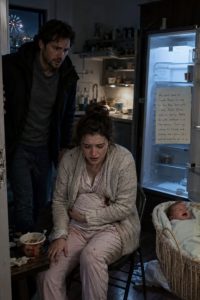 I Returned Home for New Year and Opened the Door to a Cold Apartment, While My Mother Answered Me on the Phone with Strange Calm
 My Husband Left Our Sick Daughter at Home Again, but the Doctor’s Face Suddenly Changed at the Hospital
 Part 4 — I accused my daughter of wasting money, but one question from the school principal wiped the smile from my mother’s face
 A Flat Tire Stopped Me at a Desert Diner, but When the Waitress Heard My Name, the Color Drained from Her Face
 Part 4 — She returned to my workshop after eighteen years and changed everything with one phrase — the woman standing at the door suddenly turned pale