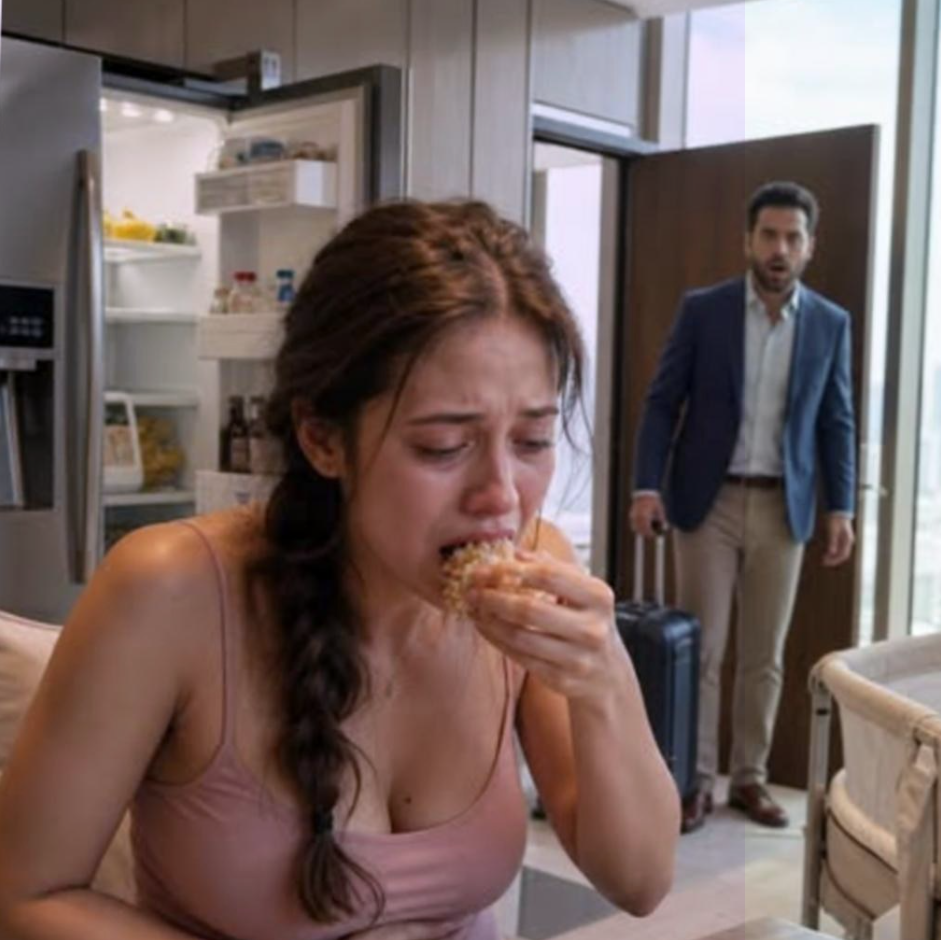


Part 4
The second line read: “I know where your family is hiding.”
For several seconds, no one moved.
The doctor stood by the baby’s crib. Maya sat in the armchair. I stared at my phone, feeling my hands go ice-cold.
I dialed Detective Levan immediately.
— “I got a text,” I said. “He says he knows where my family is hiding.”
— “Do not reply.”
— “Who could it be?”
— “We don’t know yet. Send us a screenshot. Lock the doors and stay away from the windows.”
Maya nodded at me.
— “It’s my fault,” she whispered.
— “No.”
— “I allowed them into the house.”
— “You needed help. They simply exploited your vulnerability.”
The police arrived twenty minutes later. Two uniformed officers stationed themselves at the door, while a third entered the nursery to seal the camera equipment. Maya and our baby boy were transferred to the hospital.
I went with them, but right before we stepped into the elevator, the detective called.
— “Your mother and Nino are in custody,” he informed me. “We located the third man as well. His phone was left inside the hotel car.”
— “Was he the one who sent the text?”
— “No. The number is traced to a prepaid SIM card. We’re looking into it.”
Fluorescent lights hummed through the hospital hallway all night. The medics dressed Maya’s wound anew and fed the baby warm formula. I sat on a plastic chair, allowing myself to feel afraid for the very first time.
The detective arrived in the morning, holding a small transparent evidence bag.
— “We recovered this at the hotel,” he said. “It contains a copy of your passport, bank statements, and this document.”
My name was typed across the sheet. Below it was a signature—letters struggling to imitate my handwriting, but failing noticeably.
— “My mother knew my passport details,” I said.
— “A copy was found at the apartment, inside an old work bag. There was also a voice recording.”
— “A voice recording?”
The detective placed his phone on the table.
My own voice echoed through the speaker:
“I consent to the temporary transfer of my child.”
Maya’s eyes widened.
— “That’s impossible.”
Yet I recognized the voice—it was unmistakably mine. But the words were spliced together from entirely different sentences. For months, my mother had been recording my voice—whenever I said “I consent,” “temporarily,” or “we can talk about the transfer later.”
I felt the floor drop from beneath my feet.
— “They edited my voice.”
— “And they were preparing it for court,” Levan stated. “However, their own recorded conversations destroy everything.”
That same day, the prosecutor brought formal charges: fraud, coercion, attempted unlawful transfer of a child, and reckless endangerment. The third man began cooperating with the investigation. It turned out he was a private broker whom Nino had been paying for several months.
Yet it wasn’t over just yet.
In the evening, my attorney called me.
— “Davit, your mother’s defense lawyer is requesting a meeting.”
— “What for?”
— “He claims she can put a stop to everything—provided you recant a portion of the camera footage.”
— “And if I refuse?”
The lawyer exhaled heavily.
— “Then they will use that fabricated voice recording against you.”
That night, in the hospital room, I heard my mother’s voice not from memory, but from a police tablet. In the recording, she was saying: “Davit will never dare go against the family.”
In a second recording, she chuckled:
“In the end, he’ll be the one apologizing to me.”
I looked at the screen. Maya lay quietly, while our baby slept peacefully against her chest.
It was then I realized that my mother considered my love her most reliable pair of handcuffs.
We arrived at the courthouse the following morning. My mother was still convinced that the final word belonged to her.
What she didn’t know was that the judge already possessed a recording that turned her own words against her…
The courtroom filled up at ten in the morning. White frost etched lines across the windows, and the wooden floorboards creaked with every step.
My mother sat draped in a dark coat. Nino stood beside her, unable to meet anyone’s eyes.
Her defense attorney began:
— “My clients maintain that they merely sought to assist with the child. The camera footage is incomplete and potentially distorted.”
I said nothing.
Maya sat beside me, her fingers tightly clasped in my palm.
The judge looked at Levan.
— “Do you possess the complete footage?”
— “Yes, Your Honor.”
For the first time, footage was presented showing my mother loading the baby food into her car, followed by Nino logging into my bank account, and the forced administration of medication to Maya.
A heavy silence fell over the courtroom.
My mother shook her head violently.
— “This is taken out of context!”
The judge looked at her sternly.
— “You haven’t finished listening yet.”
Then, my artificially assembled voice played through the speakers:
“I consent to the temporary transfer of my child.”
Nino looked over at me for the first time.
— “You see?” she whispered. “You said it yourself.”
Levan pressed another button.
The unedited recording played in its entirety, preceding those exact words:
“I consent to bringing the documents today. However, discussing a temporary transfer of the child will only be possible after consulting Maya and the doctor.”
Someone in the gallery gasped softly.
The confidence vanished from my mother’s face.
Nino clutched the back of her chair.
— “This is a joke,” she stammered.
— “No,” Levan replied. “This is the complete recording.”
The judge remanded both of them in custody, issued a strict protective order barring any contact with Maya or the baby, and bound the case over for trial. Weeks later, after reviewing the full body of evidence, the court sentenced my mother to a lengthy prison term, while Nino entered a plea agreement—confessing to her crimes, returning the remaining funds, and forfeiting all rights to approach us.
The third man received his sentence as well. His testimony revealed a pattern of deceiving families under the guise of “temporarily placing” vulnerable newborns, while in reality trafficking them for profit.
I took no joy in their ruin.
I was simply no longer trying to save them at the expense of my own family.
Upon returning from court, my mother called me one last time from the prison administration line.
— “Give me just five minutes,” she pleaded.
— “I’m listening.”
— “You are my son. How can you do this to me?”
I stood by the window as snow fell gently outside.
— “I didn’t do anything to you, Mother. You said everything yourself.”
— “We are family!”
— “Family doesn’t starve a child.”
— “You will regret this.”
— “Perhaps. But this time, I won’t mistake remorse for fixing your choices.”
I ended the call.
Her lawyer contacted me the following day as well.
— “If you publicly state that you have forgiven your mother, her sentence might be commuted.”
— “Forgiveness and erasing consequences are not the same thing.”
— “Surely you don’t desire vengeance?”
— “No. Which is precisely why I am leaving the matter in the hands of the court.”
A few weeks later, we vacated our old apartment. The baby’s crib still stood in the corner where I had found that thin blanket on that freezing night.
The refrigerator in the kitchen was no longer empty, yet the scent of those days linger on the walls—of medication, cold instant noodles, and fear.
Maya locked the door herself at the very end.
— “Are you ready?” she asked me.
— “Now I am.”
In our new home, the nursery was small, but bathed in sunlight. Street trees were visible through the window. We arranged a thermometer, milk bottles, and colorful toys by the crib.
Maya recovered bit by bit, walking a little longer each day. Occasionally she would still wake in the middle of the night to check if the baby was breathing.
I asked her once:
— “Are you still afraid?”
— “Sometimes.”
— “Me too.”
She took my hand.
— “But we’re not alone anymore.”
Two months later, I began working for a local renovation firm, having declined to return to Germany. Being home no longer meant mere walls; it meant I would be right there at his very first cry.
In the mornings, I fed the baby, then prepared tea for Maya. Before I left for work, my boy would stack small wooden blocks, laughing every time they tumbled over.
The season’s first spring snow arrived in March.
The baby was four months old now. I brought him to the window and placed his tiny finger against the glass.
— “Look, it’s snowing,” I told him.
— “He can’t really see it yet,” Maya smiled.
— “Then I’ll watch it for him.”
That evening, a letter arrived from Nino containing a single line: “Forgive me, I just want to see you once.”
Maya read the letter and looked over at me.
— “What will you do?”
I remained silent for a long moment.
Then I folded the letter.
— “No.”
— “Are you sure?”
— “For the very first time, I am.”
I didn’t toss the letter into the trash. I stored it in the folder alongside the court documents—not because I intended to reply, but because my refusal stood as evidence that I no longer lived by their demands.
That night, our baby slept straight through until morning for the very first time. I stepped into the room and leaned over his crib.
In my palm, I clutched that small brass lighthouse keychain. Unclipped from my suitcase handle, it now hung on our house keys.
Maya asked softly:
— “You still carry it?”
— “Yes.”
— “Why?”
I looked down at the trinket, its tiny windows reflecting the light.
— “Because back then, you showed me where I needed to return.”
Maya rested her head against my shoulder.
Beyond the window, the city was buried in snow. Inside, the heating hummed softly, the refrigerator was full, and the quiet breathing of our child filled the room.
I hung the keys by the door.
The lighthouse was no longer pointing toward the old house.
It had brought us home.
Missed the beginning?
Related posts:
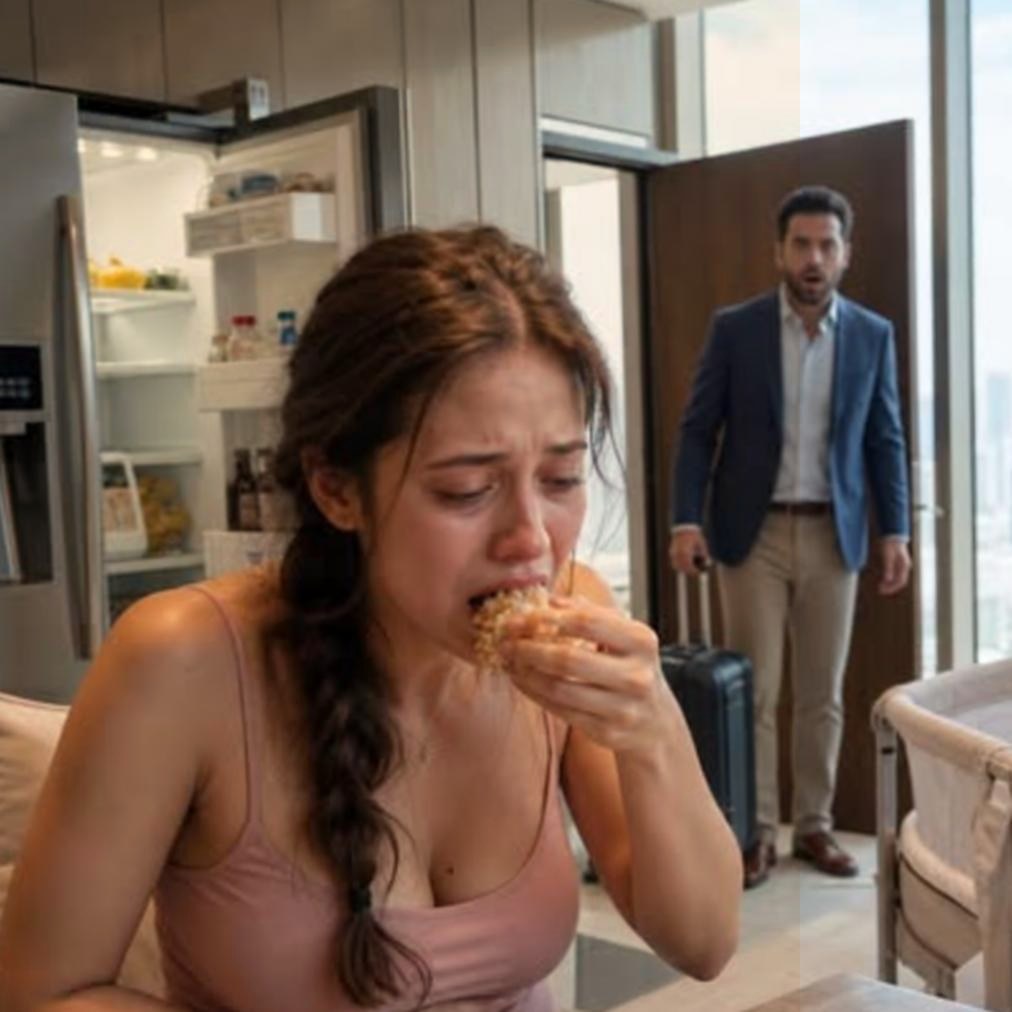
 I returned home unexpectedly on New Year’s Eve, but my mother’s smile vanished the moment my wife gave her answer.
 I returned home unexpectedly on New Year’s Eve, but upon seeing my wife’s face, my mother immediately stopped smiling.
 They were attributing my child’s pain to something else, until a doctor at the hospital saw his father and turned pale.
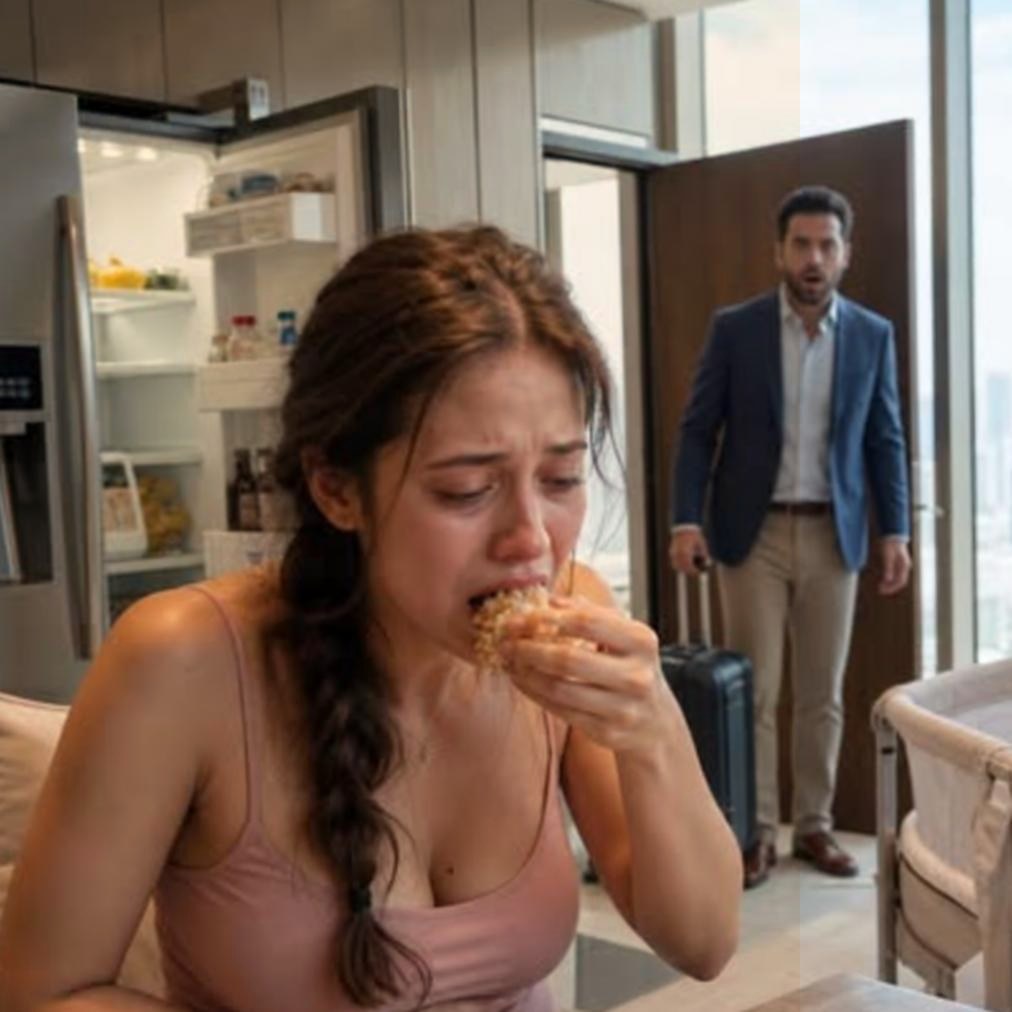 Part 4 — I returned home unexpectedly on New Year’s Eve, but the moment my mother saw my wife’s face, she stopped smiling.
 I found my wife and daughter unconscious beside a locked pantry, but my mother’s confident smile vanished when the doctor examined one toy
 My parents wanted to throw my belongings out into the yard and keep my child, but the smile vanished from my father’s face the moment I gave my answer.